

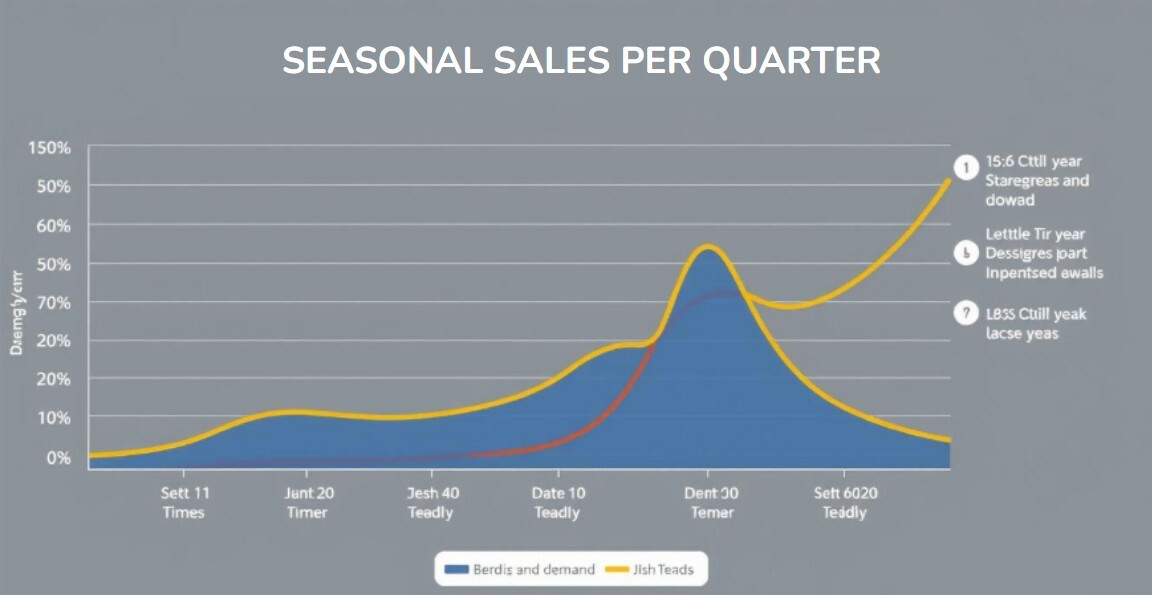
In this guide, we’ll explore practical strategies to master seasonal demand planning, optimize your inventory before peak seasons hit, and transform potential challenges into competitive advantages. Whether you’re preparing for Black Friday, summer tourism spikes, or holiday shopping frenzies, these actionable insights will help you stay ahead of the curve.
Why Is Seasonal Demand Planning Important?
Seasonal demand fluctuations and optimal inventory levels throughout the year
Seasonal demand planning isn’t just a nice-to-have business practice—it’s essential for survival in today’s competitive market. When peak seasons hit without proper preparation, the consequences can be severe:
Risks of Poor Planning
- Lost sales opportunities due to stockouts
- Excess inventory tying up valuable capital
- Warehouse overflow requiring costly additional storage
- Rushed shipping at premium rates
- Customer dissatisfaction and damaged reputation
Benefits of Effective Planning
- Optimized inventory levels matching actual demand
- Improved cash flow management
- Enhanced customer satisfaction and loyalty
- Reduced emergency shipping costs
- Better supplier relationships through predictable ordering
For many businesses, seasonal peaks can make or break annual revenue targets. A sporting goods retailer might generate 40% of annual sales during back-to-school and holiday seasons, while a beachwear company might earn 60% of revenue during summer months. Without proper seasonal demand planning, these critical periods can quickly turn from opportunities into crises.
Seasonal Demand Planning Explained
Seasonal demand planning is the strategic process of forecasting, preparing for, and managing inventory levels to meet predictable fluctuations in customer demand throughout the year. Think of it as building a sandbag wall before the rain—you have to be ready before the storm arrives.
Unlike general inventory management, which focuses on maintaining optimal stock levels year-round, seasonal demand planning specifically addresses the challenges of predictable yet significant spikes in demand. These spikes may be tied to:
- Calendar events (holidays, back-to-school)
- Weather patterns (winter gear, summer products)
- Cultural events (sports tournaments, festivals)
- Industry cycles (tax season for accountants)
- Promotional periods (Black Friday, Cyber Monday)
The key difference is the intensity and predictability of these demand changes. While general inventory management might deal with gradual shifts, seasonal planning prepares for dramatic swings that can increase demand by 200-500% in short timeframes.

Well-prepared retailers maintain optimal inventory levels during peak seasons
Step-by-Step Guide to Preparing Inventory
Successfully navigating seasonal demand requires a methodical approach. Let’s break down the essential steps to ensure your inventory is ready before peak seasons hit:
📊 Analyze Past Sales Data
Historical data is your compass for navigating future seasonal demands. Begin by examining sales patterns from previous years, paying special attention to:
- Week-by-week sales volumes during peak seasons
- Product category performance variations
- Sell-through rates for seasonal items
- Stock depletion timing for high-demand products
- Year-over-year growth patterns for seasonal categories
Look beyond simple totals to identify trends in purchasing behavior. Did certain products sell out faster than others? Were there unexpected mid-season dips or spikes? The goal is to create a detailed map of how demand evolved throughout previous seasons.
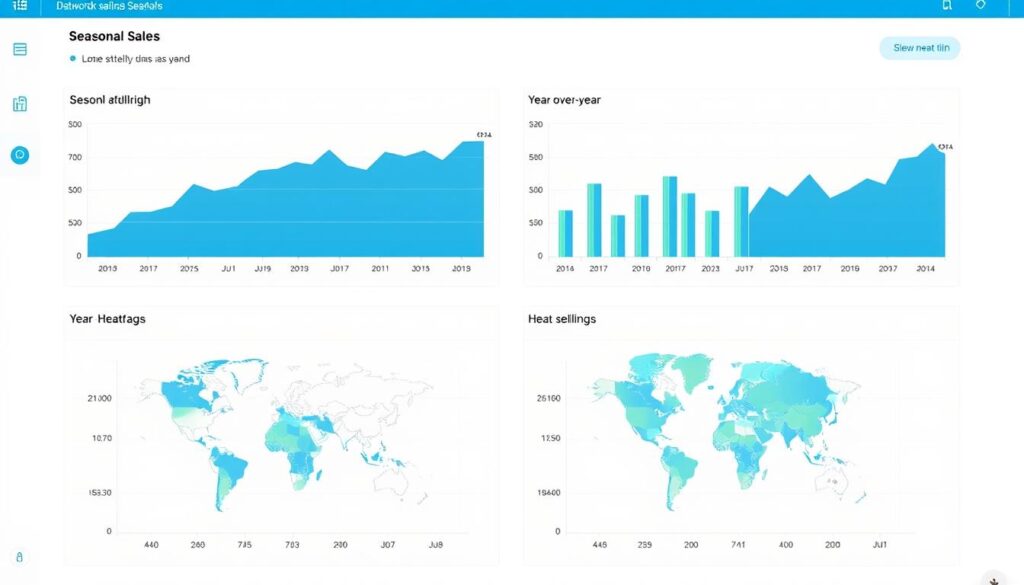
Analyzing historical sales data reveals critical seasonal patterns
🔮 Use Demand Forecasting Tools
Modern demand forecasting tools leverage AI and machine learning to predict seasonal spikes with remarkable accuracy. These systems analyze not just your historical data but also:
- Market trends and competitor activities
- Economic indicators relevant to your industry
- Weather forecasts that might impact buying behavior
- Social media sentiment and trending topics
- Planned marketing and promotional activities
Even small businesses can benefit from forecasting tools that integrate with existing ERP or inventory management systems. The investment typically pays for itself through improved inventory efficiency and reduced stockouts.
📦 Adjust Safety Stock Levels
Safety stock serves as your buffer against uncertainty, but seasonal demand requires a dynamic approach. Consider these strategies:
Pre-Season Strategy
- Gradually increase safety stock 2-3 months before peak season
- Prioritize high-margin and historically fast-selling items
- Create tiered safety stock levels based on product importance
During-Season Strategy
- Monitor sell-through rates daily and adjust accordingly
- Maintain higher safety stock for unpredictable bestsellers
- Begin reducing safety stock for slow movers mid-season
The goal is to balance the risk of stockouts against the cost of excess inventory. For seasonal items with short selling windows, lean toward higher safety stock levels, as the cost of missed sales often exceeds the carrying cost of extra inventory.
⏳ Align Supplier Lead Times
Your inventory planning is only as good as your suppliers’ ability to deliver. Before peak season:
- Review supplier performance from previous seasons
- Negotiate priority status for peak season deliveries
- Establish clear communication protocols for rush orders
- Consider secondary suppliers for critical items
- Pre-book manufacturing capacity where possible
Remember that your suppliers are likely dealing with peak demand from multiple customers simultaneously. Early communication and clear forecasts shared with suppliers can secure preferential treatment when capacity is stretched.
🛒 Plan Promotional Strategies
Promotions can dramatically impact demand patterns during seasonal peaks. Integrate your marketing calendar into your inventory planning by:
- Forecasting the inventory impact of each planned promotion
- Staggering promotions to avoid overwhelming fulfillment capacity
- Creating contingency plans for unexpectedly successful promotions
- Aligning discount strategies with inventory goals (e.g., promoting overstocked items)
- Building promotional flexibility into your inventory plan
Aligning promotional calendar with inventory planning ensures readiness for demand spikes
🚚 Optimize Logistics & Distribution
Strategic positioning of inventory can significantly reduce fulfillment times during peak seasons:
- Pre-position high-demand items closer to major markets
- Consider temporary satellite warehouses during peak periods
- Optimize warehouse layouts for efficient seasonal picking
- Evaluate shipping carrier capacity and secure commitments
- Implement cross-docking for fast-moving seasonal items
The goal is to minimize the distance and time between your inventory and your customers. This might mean temporarily shifting your distribution strategy to prioritize speed over cost efficiency during peak periods.
Real-World Case Studies
Case Study: Northern Outfitters
Challenge: This outdoor apparel retailer struggled with a 30% stockout rate during winter season peaks, resulting in approximately $2.3 million in lost sales annually.
Solution: Implemented AI-driven seasonal demand forecasting that analyzed 5 years of historical data alongside weather patterns and social media trends.
Results:
- Reduced stockout rate to under 5%
- Increased seasonal revenue by 22%
- Decreased excess inventory by 18%
- Improved customer satisfaction scores by 27%
The key insight was discovering that regional weather forecasts, when integrated into their demand planning system, improved prediction accuracy by 35% for cold-weather gear.
Case Study: GlobalTech Electronics
Challenge: This consumer electronics retailer faced massive inventory imbalances during holiday seasons—overstocked on slow movers while bestsellers sold out within days.
Solution: Developed a dynamic safety stock model that adjusted levels weekly based on real-time sales velocity and implemented cross-channel inventory visibility.
Results:
- Balanced inventory across 1,200+ SKUs
- Reduced capital tied up in inventory by $4.2 million
- Maintained 98% in-stock rate for top 200 products
- Decreased emergency shipping costs by 64%
Their breakthrough came from treating each product category with its own seasonal demand curve rather than applying a single approach across all inventory.
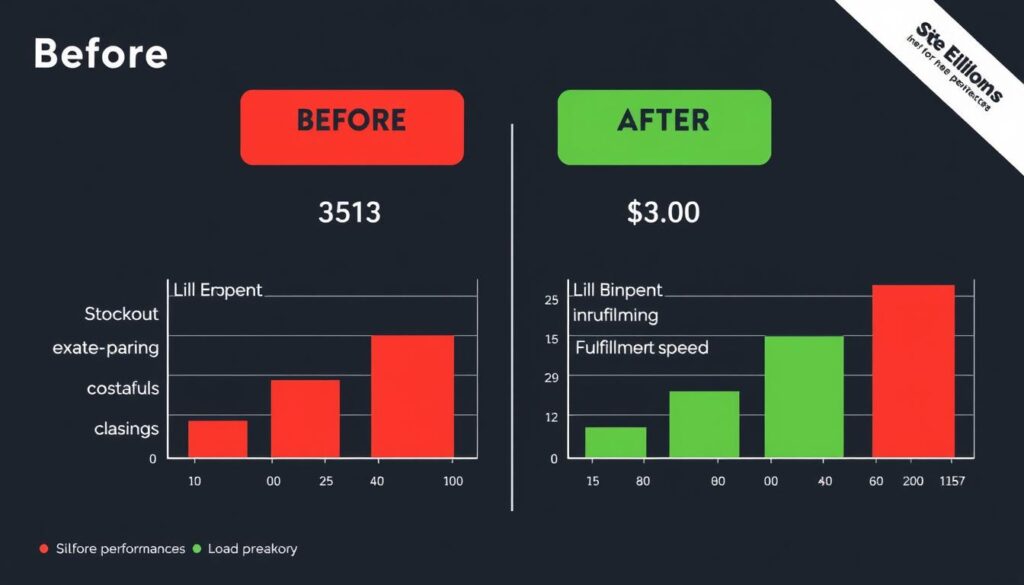
Before and after metrics showing the impact of effective seasonal demand planning (Example)
ROI & Benefits Breakdown
Implementing effective seasonal demand planning delivers measurable returns across multiple business dimensions:
📈 Financial Benefits
- 15-25% higher sales during peak seasons
- 20-30% reduction in excess inventory costs
- 40-60% decrease in emergency shipping expenses
- 10-15% improvement in overall profit margins
⏳ Operational Benefits
- 50-70% reduction in stockout frequency
- 30-40% faster order fulfillment times
- 25-35% improvement in warehouse efficiency
- 15-20% reduction in labor overtime costs
🛒 Customer Benefits
- Consistent product availability
- Faster delivery during peak periods
- Fewer order cancellations or backorders
- More competitive pricing through efficiency
Calculating the ROI of effective seasonal demand planning
5 Common Mistakes to Avoid
1. Relying Solely on Last Year’s Data
While historical data provides valuable insights, exclusive reliance on last year’s numbers ignores market evolution, competitor changes, and shifting consumer preferences. Instead, combine historical analysis with current market intelligence and predictive analytics to create more accurate forecasts.
2. Ignoring External Market Factors
Economic conditions, industry trends, and even social media sentiment can dramatically impact seasonal demand patterns. Develop systems to monitor these external factors and incorporate them into your planning process. For example, a trending TikTok product can create unexpected demand spikes that historical data couldn’t predict.
3. Failing to Account for Marketing Campaigns
Marketing activities can amplify seasonal demand beyond normal patterns. Ensure your inventory planning team has visibility into all planned promotions, advertising campaigns, and sales events. Create a collaborative forecasting process that includes input from marketing, sales, and operations teams.
4. Not Securing Supplier Agreements Early
During peak seasons, your suppliers are likely dealing with increased demand from multiple customers. Waiting until the last minute to place orders can result in extended lead times or allocation limits. Negotiate capacity commitments and priority status well in advance of seasonal peaks.
5. Using Static Safety Stock Levels
Safety stock requirements fluctuate throughout the season as demand patterns and supply risks evolve. Implement dynamic safety stock calculations that adjust based on current sales velocity, supply chain performance, and remaining seasonal selling window. This prevents both stockouts and excess inventory as the season progresses.
Warning signs that your seasonal demand planning needs improvement
Books, Tools & Resources Recommendation
Equip yourself with these essential resources to master seasonal demand planning:
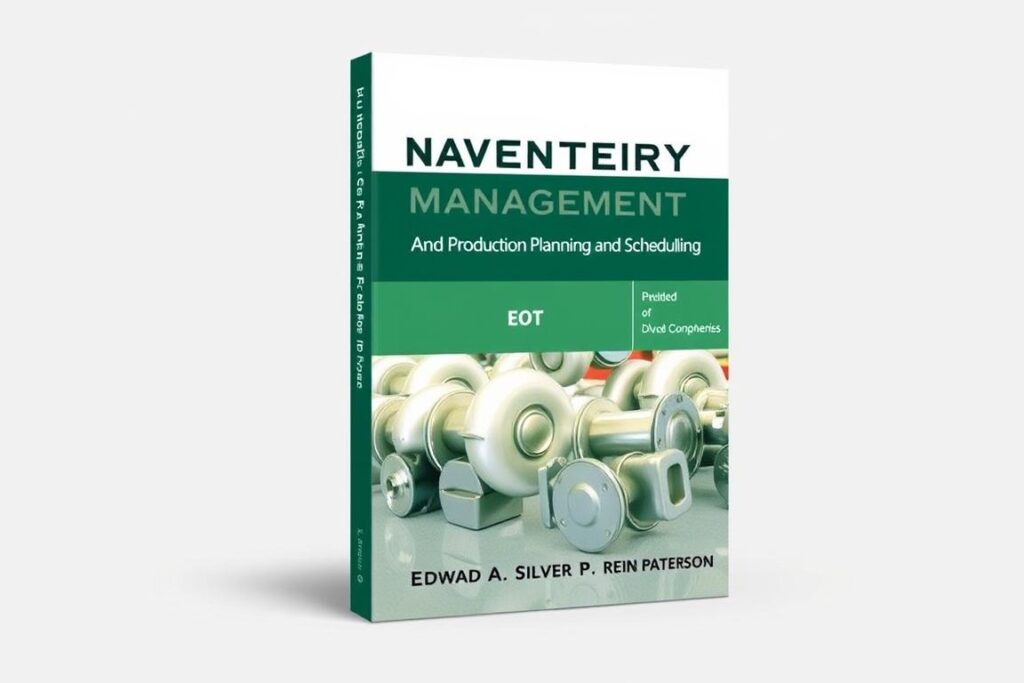
Inventory Management and Production Planning and Scheduling
Price: $135-210
This comprehensive guide by Silver, Pyke, and Peterson covers advanced inventory management techniques, including seasonal demand planning strategies and mathematical models for optimizing stock levels.
Review highlight: “The definitive resource for serious inventory planners. Worth every penny for the quantitative models alone.”
Demand-Driven Forecasting: A Structured Approach
Price: $55-75
Charles Chase provides practical frameworks for creating accurate demand forecasts, with specific chapters dedicated to seasonal planning and promotional impact analysis.
Review highlight: “Transformed our forecasting accuracy from 65% to 92% within two quarters. The seasonal planning chapter alone is worth the price.”
Supply Chain Management: Strategy, Planning, and Operation
Price: $65-85
Chopra and Meindl’s authoritative text includes extensive coverage of demand forecasting, inventory optimization, and seasonal planning within broader supply chain strategy.
Review highlight: “The gold standard for supply chain education. The case studies provide invaluable real-world applications.”
Comparison Table
| Resource | Best For | Price Range | Key Feature | Format |
| Inventory Management and Planning | Advanced Practitioners | $75-95 | Mathematical Models | Hardcover/Kindle |
| Demand-Driven Forecasting | Forecasting Specialists | $55-75 | Practical Frameworks | Hardcover/Kindle |
| Supply Chain Management | Strategic Planners | $65-85 | Case Studies | Hardcover/Kindle |
Prefer digital? Browse all these titles and more on Kindle:
Seasonal Inventory Readiness Checklist
Use this checklist to ensure complete seasonal inventory readiness
3-6 Months Before Peak Season
- Analyze previous season performance data
- Update demand forecasting models
- Review and refresh product assortment
- Negotiate supplier capacity commitments
- Align marketing and inventory plans
1-3 Months Before Peak Season
- Begin increasing safety stock levels
- Confirm production and shipping schedules
- Optimize warehouse layouts for seasonal items
- Train temporary staff if needed
- Test systems for higher transaction volumes
During Peak Season
- Monitor daily sell-through rates
- Adjust safety stock dynamically
- Implement rapid replenishment processes
- Track supplier performance in real-time
- Balance inventory across locations
Post-Season Analysis
- Calculate forecast accuracy metrics
- Document lessons learned
- Analyze stockout and overstock instances
- Update historical data for next season
- Refine planning process improvements
Conclusion
Effective seasonal demand planning isn’t just about avoiding problems—it’s about creating competitive advantage. By implementing the strategies outlined in this guide, you’ll be positioned to maximize sales during peak periods while minimizing costs and inventory risks. This proactive approach involves a comprehensive analysis of market trends, customer behavior, and sales data from previous seasons, allowing you to anticipate demand fluctuations and adjust your inventory accordingly. Additionally, integrating advanced forecasting tools can enhance your ability to predict customer needs, ensuring that you are well-prepared for the influx of orders that peak seasons typically bring.
Remember, as the retail adage goes: “Success in peak season isn’t luck—it’s preparation meeting opportunity.” The businesses that thrive during seasonal peaks are those that plan methodically, forecast accurately, and execute flawlessly. They invest time in refining their supply chain processes, ensuring that they have the right products available at the right time. This may also involve negotiating favorable terms with suppliers to secure the necessary inventory levels and maintain flexibility in response to changing market conditions.
The time to start planning for your next seasonal peak is now. Begin by analyzing your historical data, implementing the right forecasting tools, and building relationships with suppliers who can support your peak season needs. Strong partnerships with suppliers can lead to better pricing, priority production, and quicker turnaround times, all of which are critical during high-demand periods. By fostering these relationships, you not only enhance your operational efficiency but also position your business to capitalize on opportunities as they arise.