

These aren’t hypothetical questions. According to the Bureau of Labor Statistics, over 2.8 million workplace injuries occur annually in the U.S., with OSHA estimating that proper PPE compliance could prevent up to 37% of these incidents. Yet many safety managers struggle with the same fundamental challenge: getting employees to consistently wear their protective equipment.
The good news? Creating a culture of PPE compliance doesn’t have to involve constant battles, disciplinary actions, or workplace tension. This guide explores proven behavioral strategies, communication techniques, and cultural approaches that transform safety gear from an annoying requirement into a valued workplace habit.
Effective PPE compliance begins with positive engagement and clear communication
Why PPE Compliance Is Critical for Your Workplace
Traditional approaches to PPE often focus solely on meeting regulatory requirements. But compliance isn’t just about avoiding fines—it’s about protecting your most valuable asset: your people. Think of PPE as a seatbelt for your workday—it might seem unnecessary until the moment it saves a life.
“The cost of PPE is minimal compared to the cost of an injury. But the real challenge isn’t buying the equipment—it’s creating a culture where wearing it becomes second nature.”
The True Cost of PPE Non-Compliance
When employees skip or improperly use protective equipment, the consequences extend far beyond potential injuries. The financial and operational impacts ripple throughout your organization:
- 🚑 Workers’ compensation claims averaging $41,000 per incident
- ⏱️ Lost productivity from injured workers (6-12 weeks average recovery time)
- 💰 OSHA fines reaching up to $14,502 per violation (and up to $145,027 for willful violations)
- 👥 Increased insurance premiums affecting your bottom line for years
Why Employees Resist Wearing PPE
Understanding the root causes of resistance is essential for developing effective compliance strategies. Most resistance falls into predictable categories:
Comfort and Convenience Issues
Ill-fitting gear, heat buildup, fogging eyewear, and movement restrictions make PPE uncomfortable and frustrating to use throughout a long workday.
Knowledge Gaps
Many employees don’t fully understand the specific hazards they face or how particular PPE items protect them from those risks.
Social and Cultural Factors
Workplace cultures where experienced employees dismiss safety gear as unnecessary create powerful peer pressure against compliance.
Practical Barriers
Limited accessibility, poor maintenance, and inadequate storage solutions make consistent PPE usage difficult even for motivated employees.
The Psychology of PPE Compliance
Behavioral science offers valuable insights into why traditional enforcement approaches often fail:

Proper PPE usage becomes habitual when it’s comfortable, accessible, and culturally reinforced
- 🧠 Humans naturally resist being told what to do (psychological reactance)
- 🔄 Immediate discomfort outweighs abstract future risks in decision-making
- 👥 Social norms influence behavior more powerfully than written rules
- 🛠️ Habits form through consistent cues, routines, and rewards—not through fear
The key insight? Effective PPE compliance strategies must address both the physical barriers (comfort, accessibility) and psychological factors (knowledge, social influence) simultaneously. Let’s explore how to build this comprehensive approach.
Struggling with PPE Compliance in Your Workplace?
PPE Compliance Explained: Beyond the Basics
Personal Protective Equipment (PPE) compliance means more than simply having safety gear available—it encompasses the consistent and correct use of appropriate protective equipment whenever hazards are present. Think of it like convincing kids to eat vegetables—you have to make them see the benefit, not just enforce the rule.
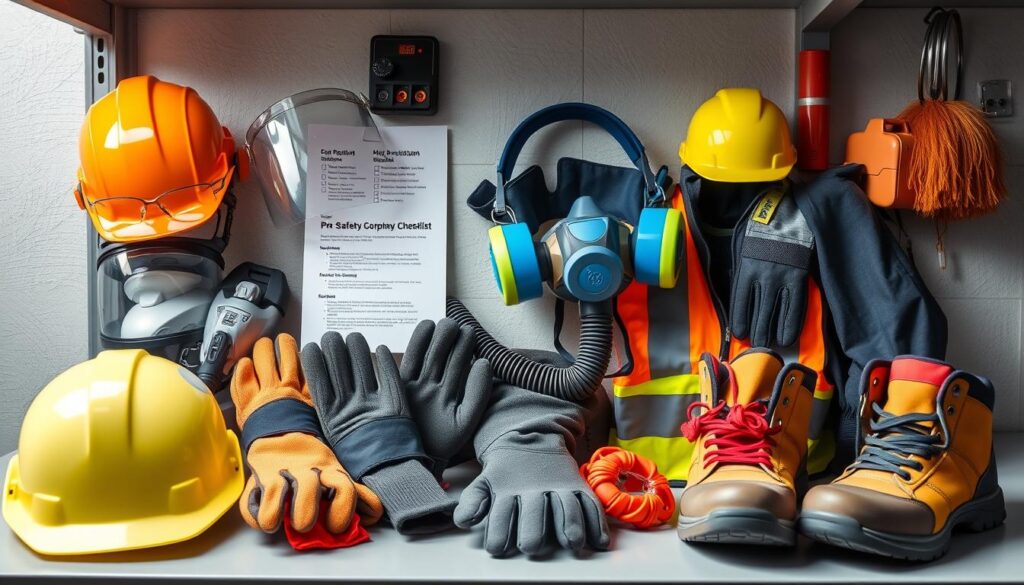
Comprehensive PPE programs address protection for all potential workplace hazards
The Regulatory Foundation of PPE
While our focus is on practical implementation, understanding the regulatory framework provides important context:
- 🛡️ OSHA requires employers to assess workplace hazards and provide appropriate PPE
- 📚 Standards specify minimum requirements for different types of protection (eye, face, head, etc.)
- 🔄 Employers must train employees on when and how to use PPE properly
- ✅ Documentation of hazard assessments and training is legally required
The Hierarchy of Controls: PPE as the Last Line of Defense
Safety professionals recognize PPE as the final layer in a comprehensive protection strategy:
- Elimination: Physically removing the hazard (most effective)
- Substitution: Replacing the hazard with a safer alternative
- Engineering Controls: Isolating people from the hazard
- Administrative Controls: Changing how people work
- Personal Protective Equipment: Protecting workers with safety gear (last resort)
Key Insight: When employees understand that PPE is the last line of defense—not the first—they often develop a deeper appreciation for its importance. This perspective shift helps overcome the common misconception that “management just wants to check a box” rather than genuinely protecting workers.
Common Types of PPE and Their Protection
Different workplace hazards require specific protective equipment:
Head Protection
Hard hats protect against falling objects, bumps, and electrical hazards. Different classes provide varying levels of protection against impacts and electrical dangers.
Eye and Face Protection
Safety glasses, goggles, and face shields guard against flying particles, chemical splashes, dust, radiation, and other hazards that could damage vision or facial tissue.
Respiratory Protection
Respirators filter harmful airborne contaminants including dust, fumes, vapors, and biological hazards, preventing them from entering the lungs.
Hand Protection
Specialized gloves protect against cuts, punctures, chemical exposure, burns, biological agents, and other hazards that could damage skin or be absorbed through it.
Hearing Protection
Earplugs and earmuffs prevent noise-induced hearing loss by reducing exposure to harmful sound levels that can cause permanent damage over time.
Foot Protection
Safety footwear with reinforced toes, puncture-resistant soles, and other features protect against crushing injuries, penetration, slips, and chemical exposure.
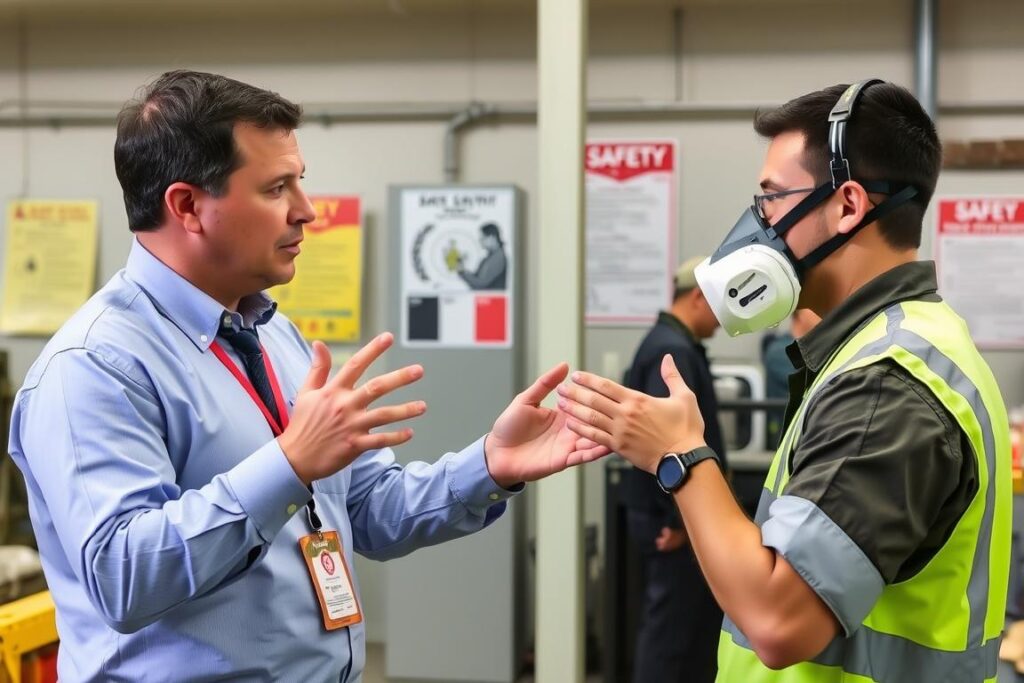
Proper fit testing and training are essential components of effective respiratory protection
Step-by-Step Guide to Improving PPE Compliance
Transforming your workplace’s approach to protective equipment requires a systematic strategy that addresses both physical and psychological barriers to compliance. This comprehensive approach creates lasting change rather than temporary improvements.

Collaborative approaches to PPE compliance generate better results than top-down enforcement
🛡️ Step 1: Lead by Example
Consistent leadership modeling is the foundation of compliance culture:
- Visible Commitment: Ensure all managers and supervisors wear appropriate PPE without exception, even during brief visits to hazardous areas.
- Executive Involvement: Have senior leaders participate in safety walks and PPE discussions to demonstrate organizational commitment.
- Storytelling: Share personal experiences about how PPE prevented injuries for leaders or team members to make protection tangible.
- Accountability: Apply the same standards to visitors, contractors, and executives—no exceptions that undermine the safety culture.
Success Tip: Create a “safety selfie” program where leaders photograph themselves properly wearing PPE and share these images on company communication channels. This visual reinforcement normalizes protection and creates positive peer pressure.
📚 Step 2: Educate with Impact
Knowledge transforms compliance from obligation to understanding:
- Hazard-Specific Training: Explain exactly how each workplace hazard affects the body and how specific PPE prevents these injuries.
- Demonstration Power: Use visual demonstrations (e.g., dropping weights on safety shoes, testing eyewear with projectiles) to make protection tangible.
- Real Consequences: Share real (anonymized) workplace incident reports where PPE either prevented serious injury or could have if used properly.
- Micro-Learning: Deliver brief, focused safety messages during regular meetings rather than relying solely on annual training.
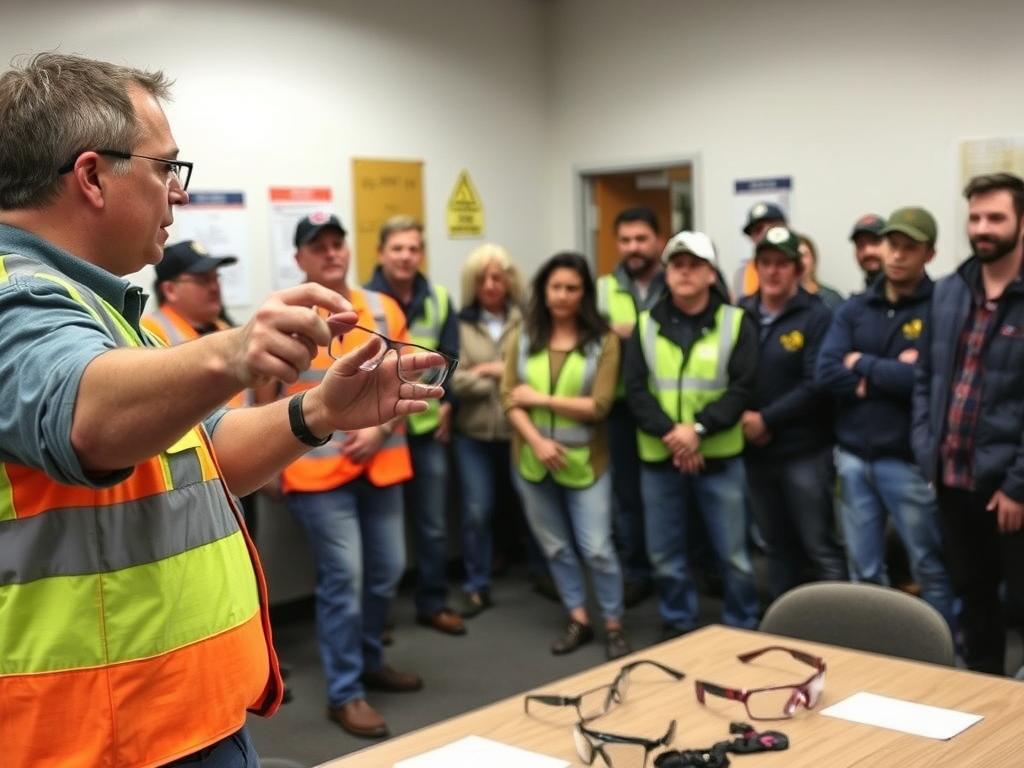
Impactful demonstrations create memorable learning experiences about PPE importance
✅ Step 3: Involve Employees in Selection
Participation transforms resistance into ownership:
- PPE Trials: Allow employees to test different models and brands before making bulk purchases for the organization.
- Comfort Committee: Form a worker-led team responsible for evaluating and recommending comfortable, effective PPE options.
- Feedback Mechanisms: Create simple systems for reporting PPE issues and suggesting improvements.
- Options Within Standards: Where possible, provide approved choices in styles, sizes, and features while maintaining protection standards.
Real-World Example: A manufacturing plant struggling with eye protection compliance allowed workers to select from five different approved safety glasses models. They included options with anti-fog coatings, adjustable features, and various styles. Compliance rates increased from 65% to 93% within three months, and eye injury rates decreased by 71% over the following year.
🎯 Step 4: Set Clear Expectations
Clarity eliminates confusion and excuses:
- Visual Guides: Post clear, visual PPE requirement signs at entrances to work areas showing exactly what protection is needed.
- Job-Specific Requirements: Develop simple, visual charts showing which PPE items are required for specific tasks or roles.
- Consistent Enforcement: Apply PPE rules fairly across all departments and levels of the organization.
- Positive Reinforcement: Recognize and praise proper PPE usage rather than focusing exclusively on violations.
🏆 Step 5: Reward Compliance
Recognition reinforces positive behaviors:
Individual Recognition
- Spot recognition cards for consistent PPE use
- Safety champion of the month programs
- Public acknowledgment in team meetings
- Small incentives like gift cards or company merchandise
Team-Based Incentives
- Department competitions for highest compliance rates
- Celebration lunches for achieving safety milestones
- Team budget bonuses for maintaining perfect records
- Recognition on company communication channels
Important Caution: Avoid incentive programs that might discourage reporting of injuries or near-misses. Focus rewards on observed safe behaviors rather than solely on outcome metrics that could be manipulated.
🔄 Step 6: Address Feedback Quickly
Responsive improvement builds trust and engagement:
- Rapid Replacement: Implement systems for quickly replacing damaged or worn PPE without bureaucratic delays.
- Comfort Modifications: Address discomfort issues promptly with adjustments, accessories, or alternative approved equipment.
- Continuous Improvement: Regularly evaluate new PPE technologies and options that might better serve your workforce.
- Closed-Loop Communication: Follow up with employees who report issues to confirm their concerns were addressed satisfactorily.

Addressing fit and comfort issues immediately helps eliminate barriers to consistent PPE usage
PPE Compliance Success Stories: Real-World Applications
Examining how organizations have successfully transformed their safety cultures provides valuable insights into effective compliance strategies. These case studies demonstrate practical approaches across different industries and work environments.
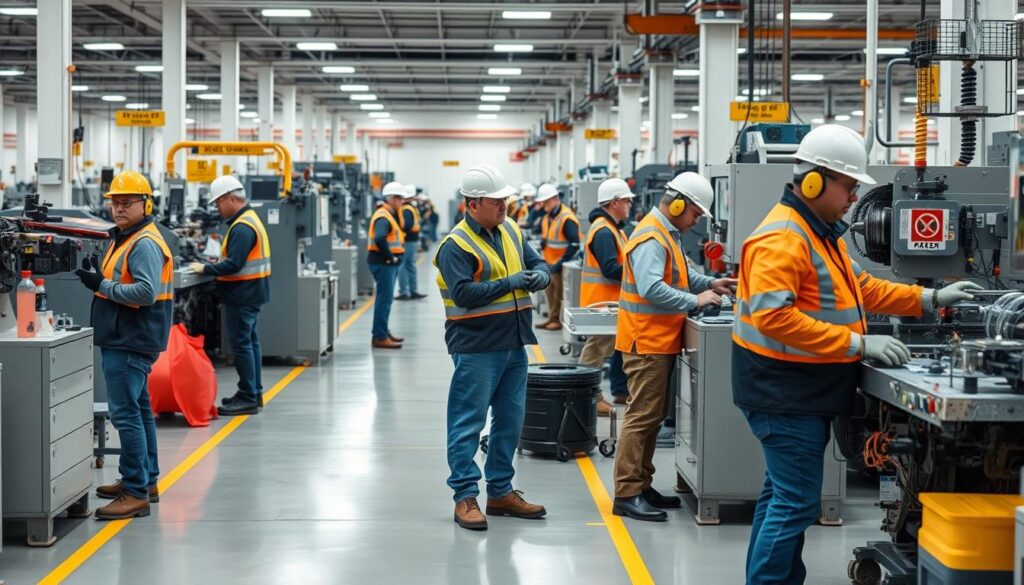
Case Study 1: Manufacturing Facility
Challenge:
A medium-sized metal fabrication company was experiencing high rates of minor injuries, particularly eye injuries and hand lacerations. Despite having quality PPE available, compliance rates hovered around 65%, with many employees removing protection when supervisors weren’t present. Traditional enforcement approaches had created tension between management and workers.
Solution:
The company implemented a comprehensive strategy focused on engagement rather than enforcement:
- Created a worker-led PPE committee with representatives from each department
- Conducted “PPE trials” where employees tested and voted on preferred models
- Installed accessible PPE stations throughout the facility
- Implemented a peer recognition program where workers could nominate colleagues for consistent safe practices
Results:
The program paid for itself within five months through reduced workers’ compensation costs and decreased production interruptions. The company has since expanded the employee-led approach to other safety initiatives with similar success.
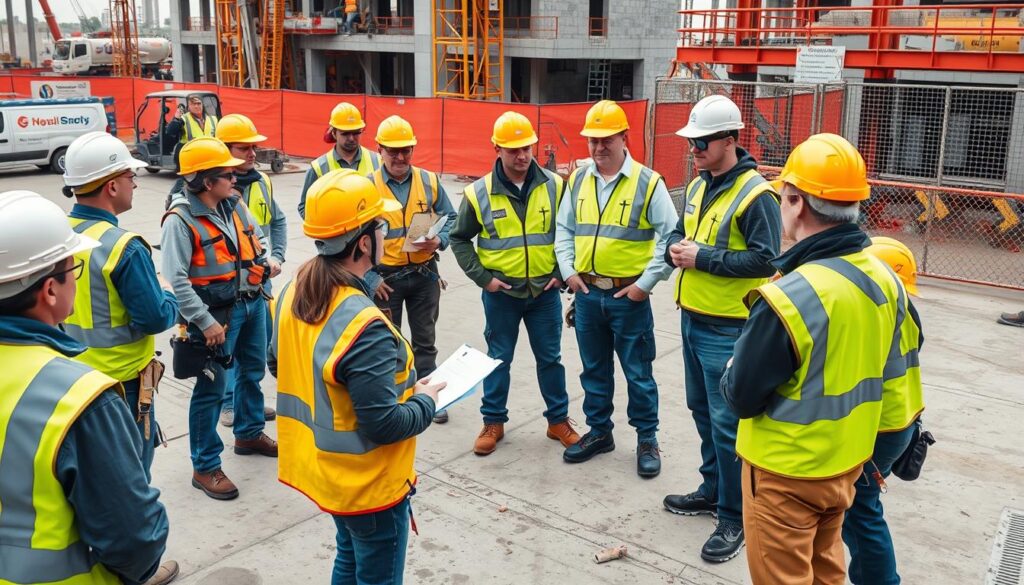
Case Study 2: Construction Company
Challenge:
A regional construction company with multiple job sites struggled with inconsistent PPE usage, particularly with fall protection and head protection. Compliance varied widely between crews and projects, creating safety risks and potential regulatory violations. High turnover among younger workers complicated training efforts.
Solution:
The company developed a multi-faceted approach centered on culture and communication:
- Implemented a mentorship program pairing experienced safety-conscious workers with new hires
- Created compelling visual training materials showing real injury consequences
- Developed a mobile app for quick reporting of PPE issues or needs
- Established a “safety bonus” program tied to observed safe behaviors rather than just injury rates
Results:
The company discovered an unexpected benefit: improved employee retention. Exit interviews had previously indicated that safety concerns were a significant factor in turnover. The new approach not only improved compliance but also strengthened the company’s reputation as an employer of choice in their market.
Quantifying the Business Impact: ROI of PPE Compliance
Investing in effective PPE compliance strategies delivers measurable returns across multiple dimensions of your business operations. Understanding these benefits helps build a compelling business case for comprehensive program improvements.
Effective PPE compliance programs deliver measurable financial and operational benefits
🦺 Direct Cost Savings
- 20-35% reduction in workplace injury medical costs
- 15-25% decrease in workers’ compensation premiums
- 40-60% fewer lost workdays due to preventable injuries
- 50-75% reduction in injury-related administrative costs
🚧 Operational Benefits
- 8-12% improvement in overall productivity
- 30-45% reduction in unplanned work stoppages
- 15-20% decrease in equipment damage incidents
- 25-35% improvement in quality metrics
👥 Workforce Advantages
- 20-30% increase in employee satisfaction scores
- 15-25% reduction in turnover rates
- 30-40% improvement in safety suggestion participation
- 25-35% enhancement in recruitment effectiveness
🔄 Strategic Business Advantages
Regulatory Compliance
Effective PPE programs significantly reduce the risk of citations, penalties, and increased regulatory scrutiny that can disrupt operations and damage reputation.
Competitive Advantage
Strong safety performance creates marketplace differentiation, particularly when bidding for contracts with safety-conscious clients who prioritize contractor safety records.
Insurance Optimization
Beyond premium reductions, comprehensive PPE programs can qualify organizations for preferred coverage terms, higher limits, and reduced deductibles.
Brand Reputation
Companies known for protecting their workforce attract better talent, stronger partnerships, and more loyal customers who value responsible business practices.
Critical PPE Compliance Pitfalls to Avoid
Even well-intentioned safety initiatives can falter without proper implementation. Understanding common mistakes can help you navigate the compliance improvement process more effectively and maximize your return on investment.
Common Compliance Mistakes
- Focusing Solely on Enforcement
Many organizations rely exclusively on disciplinary measures to drive compliance, creating resentment and encouraging workers to wear PPE only when being observed. - Neglecting Comfort and Fit
Providing one-size-fits-all equipment that causes discomfort virtually guarantees resistance, regardless of how strictly rules are enforced. - Inadequate Hazard Education
Without understanding the specific risks they face, employees view PPE requirements as arbitrary rules rather than vital protection. - Inconsistent Leadership Example
When managers and supervisors fail to follow the same PPE rules they enforce, credibility is destroyed and compliance becomes optional in the workplace culture. - Complicated Access Systems
Requiring excessive paperwork, approvals, or inconvenient processes to obtain replacement PPE creates barriers to compliance.
Effective Compliance Strategies
- Balance Accountability with Engagement
Combine clear consequences for non-compliance with positive recognition programs that reward consistent PPE usage. - Prioritize Comfort and Functionality
Invest in quality equipment with adjustable features, moisture-wicking properties, and ergonomic designs that workers can wear comfortably for entire shifts. - Provide Compelling Risk Education
Use visual demonstrations, real incident reviews, and personal testimonials to make hazards and consequences tangible and memorable. - Ensure Consistent Leadership Modeling
Require all levels of management to follow the same PPE rules without exception, creating a unified culture of protection. - Implement Convenient Access Systems
Create multiple, easily accessible PPE stations throughout work areas and streamline replacement processes to eliminate barriers.
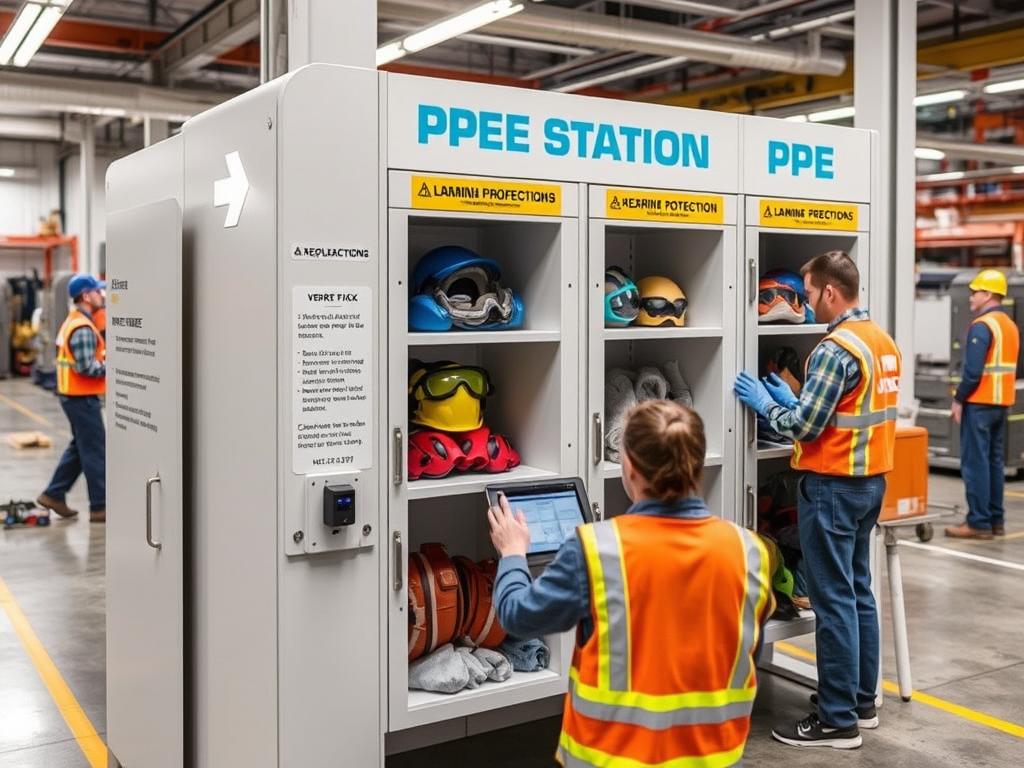
Accessible, well-organized PPE stations eliminate barriers to compliance
Critical Warning: Avoid creating incentive programs that might discourage injury reporting. Programs that reward departments or teams solely for “zero injuries” can inadvertently pressure workers to hide incidents. Instead, focus recognition on observed safe behaviors, proactive reporting, and active participation in safety initiatives.
Essential Tools and Resources for PPE Compliance
Building an effective PPE compliance program requires the right resources. Here are our top recommendations based on extensive testing and implementation experience across multiple industries.
PPE Management Resources
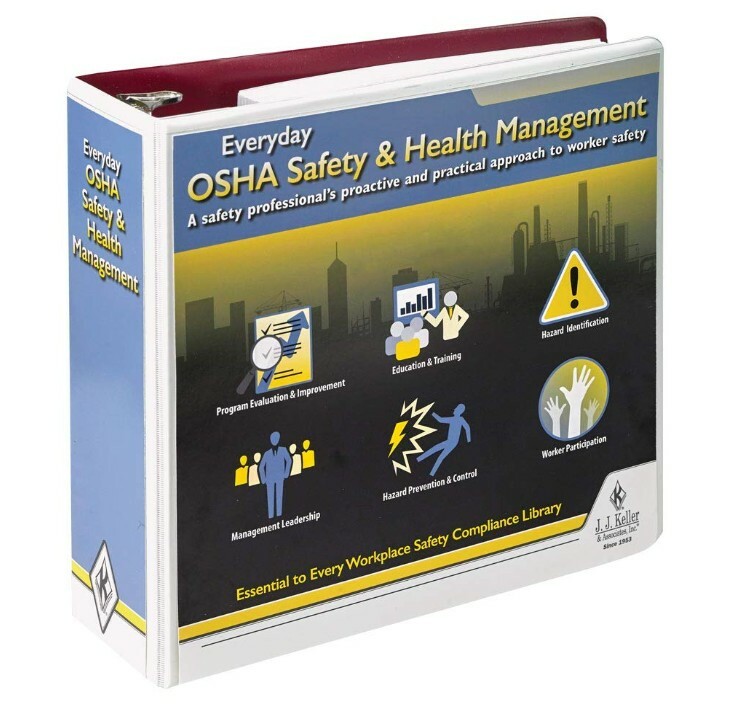
Everyday OSHA Safety & Health Management Manual, How-to Guide & Tools
Price Range: $135-$149
- Everday OSHA Safety & Health Management Manual
Customer Review: “Valuable information for a safety professional to assist in compliance. Will help protect employees from injury and/or illness..”
Training and Education Resources
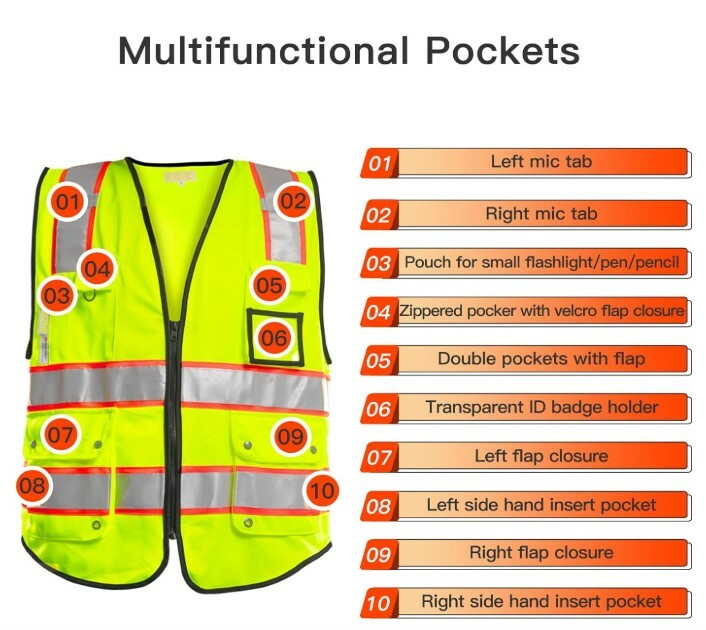
PACIFIC – Pockets Safety Vest
Price Range: $14.99 – $19.99
- 𝐏𝐫𝐞𝐦𝐢𝐮𝐦 𝐌𝐚𝐭𝐞𝐫𝐢𝐚𝐥𝐬: Made of knitted fabric, 100% polyester fabric, and reflective material, has features of breathable, lightweight, durable, and machine washable
- 𝐃𝐞𝐬𝐢𝐠𝐧 𝐅𝐞𝐚𝐭𝐮𝐫𝐞𝐬: Total 10 multi-functional pockets with two durable mic tabs on the shoulder to hold your radio/walkies
- 𝐀𝐩𝐩𝐥𝐢𝐜𝐚𝐭𝐢𝐨𝐧: This reflective safety vest is designed for high visibility to keep you safe
Customer Review: “Customers find the safety vest durable, functional, and appreciate its visibility, with one noting it makes them visible at night. They like its style and consider it good value for money, while also praising its safety features, with one mentioning it includes ear plugs in the pockets. The size receives mixed feedback, with some saying it fits well while others find it too small for the stated size.”
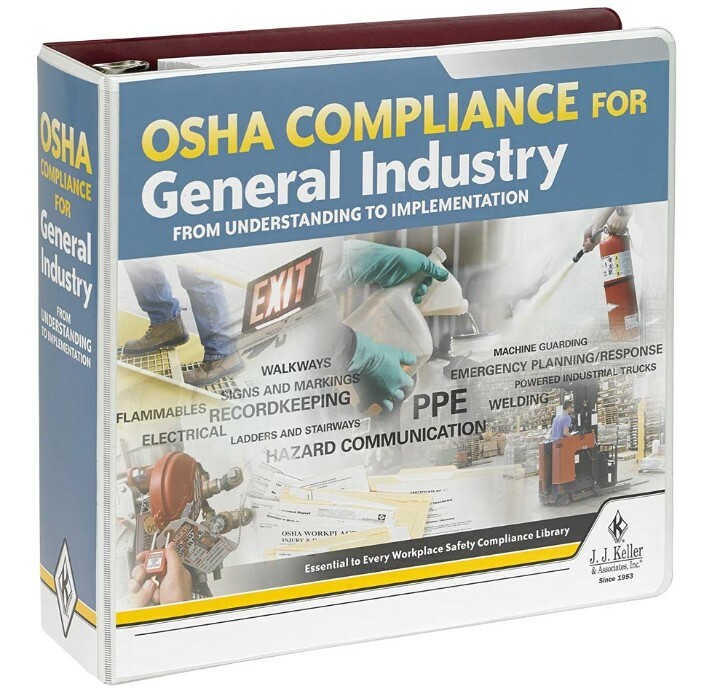
OSHA Compliance for General Industry Manual: Understanding to Implementation
Price Range: $130-$149
- J.J. Keller & Associates, Inc. OSHA Compliance for General Industry Manual – From understanding to implementation – your single source for real-world OSHA compliance guidance. Copyright 2018.
Customer Review: “Valuable information for a safety professional to assist in compliance. Will help protect employees from injury and/or illness..”
Recommended PPE Products
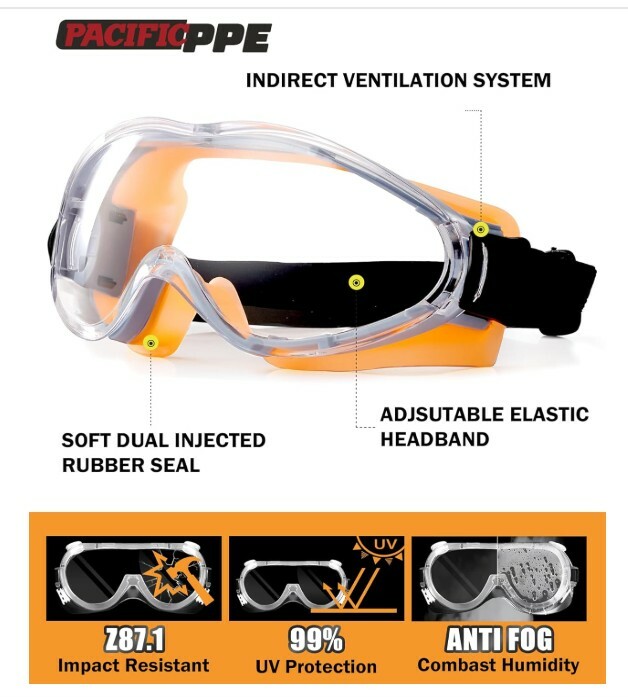
PACIFIC PPE Wide-Vision Safety Glasses, ANSI Z87 Eyewear with Anti-Fog and Anti-Scratch Wraparound Lenses
Price Range: $14.99-$19.99 per pair
- 𝐏𝐞𝐫𝐟𝐞𝐜𝐭 𝐏𝐫𝐨𝐭𝐞𝐜𝐭𝐢𝐨𝐧 – These safety glasses comply with the ANSI Z87.1 standard, offering exceptional durability and impact resistance
- 𝐏𝐫𝐞𝐦𝐢𝐮𝐦 𝐌𝐚𝐭𝐞𝐫𝐢𝐚𝐥 – Safety glasses are made of polycarbonate, safe and durable, and have good light transmission
- 𝐎𝐧𝐞 𝐒𝐢𝐳𝐞 𝐅𝐢𝐭𝐬 𝐀𝐥𝐥 – The safety glasses are equipped with comfortable nose pad and adjustable strap
Customer Review: “Customers find these safety glasses well-made and appreciate that they fit perfectly over their glasses. They provide good eye protection, with one customer noting they keep sand and dust out, and another mentioning the wider peripheral view. While some customers report no fogging, others mention the lenses fog up.”
Implementation Checklist: Your Roadmap to PPE Compliance
Use this comprehensive checklist to guide your PPE compliance improvement initiative and ensure you address all critical elements for a successful implementation.

Systematic implementation approach for sustainable PPE compliance
Assessment Phase
- □ Conduct comprehensive workplace hazard assessment
- □ Document current PPE compliance rates by department/area
- □ Survey employees about specific PPE comfort and usability issues
- □ Analyze injury data to identify PPE-preventable incidents
- □ Review current PPE inventory and management systems
Program Development
- □ Create clear, job-specific PPE requirements matrix
- □ Develop written PPE policy with responsibilities defined
- □ Establish PPE selection committee with worker representation
- □ Design training program with hazard-specific components
- □ Create visual PPE requirement guides for work areas
Implementation Preparation
- □ Conduct PPE trials with employee feedback collection
- □ Select appropriate equipment based on protection and comfort
- □ Develop inventory management and replacement procedures
- □ Create recognition program for consistent compliance
- □ Train supervisors on positive reinforcement techniques
Training Execution
- □ Deliver hazard-specific PPE training to all employees
- □ Conduct hands-on demonstrations of proper PPE usage
- □ Provide education on inspection and maintenance procedures
- □ Document all training with knowledge verification
- □ Develop ongoing refresher training schedule
Program Launch
- □ Install accessible PPE stations in strategic locations
- □ Post clear visual PPE requirement signage
- □ Implement feedback mechanisms for reporting issues
- □ Begin recognition program for proper compliance
- □ Ensure leadership consistently models proper PPE usage
Monitoring & Improvement
- □ Conduct regular compliance observations and documentation
- □ Analyze trends in compliance rates by department/shift
- □ Collect ongoing feedback about comfort and usability
- □ Track PPE-preventable injuries and near misses
- □ Make continuous improvements based on data and feedback
Conclusion: Building a Culture Where PPE Becomes Second Nature
Transforming PPE compliance from an enforcement challenge to a cultural norm represents one of the most significant opportunities to improve workplace safety. By implementing the strategies outlined in this guide, organizations can create environments where protective equipment becomes as automatic as fastening a seatbelt in a car—a habit so ingrained that it happens without conscious thought.
The most successful safety programs recognize that sustainable compliance doesn’t come from rules and penalties alone. It emerges from a thoughtful combination of comfortable equipment, meaningful education, positive reinforcement, and consistent leadership example. When employees understand why protection matters, have comfortable equipment that works, and see their leaders consistently modeling proper usage, resistance naturally diminishes.
Remember that improving PPE compliance is a journey, not a destination. It requires ongoing attention, regular reassessment, and continuous improvement. But the rewards—fewer injuries, lower costs, improved morale, and enhanced productivity—make this one of the most valuable investments any organization can make.

A strong safety culture makes PPE compliance a natural part of how work gets done
Ready to Transform Your PPE Compliance Culture?
The best safety gear is the one that’s worn every time—without question or hesitation. Building that level of compliance isn’t about enforcement; it’s about engagement, education, and example.