
Why Safety Culture Matters More Than Systems
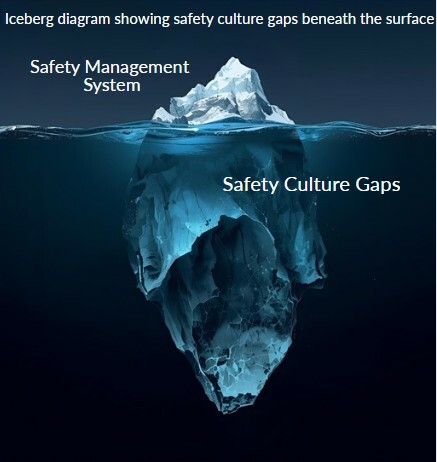
Safety Management Systems provide structure—but culture provides life. A safety manual can’t speak up when something feels wrong—but a strong culture can. Organizations often overestimate their safety maturity by focusing exclusively on documentation, procedures, and compliance metrics while overlooking the human elements that determine whether these systems will function as intended in real-world situations.
The gap between documented safety systems and actual safety performance typically stems from cultural blind spots. These gaps aren’t immediately visible in audits or compliance reviews, yet they represent the greatest vulnerability in your safety management approach. Understanding and addressing these cultural elements is essential for organizations seeking to move beyond mere compliance to genuine safety excellence.
“Safety culture isn’t what you do when people are watching. It’s what happens when no one is looking.”
The Three Hidden Blind Spots in Safety Culture
⚠️ 1. Weak Reporting Culture
One of the most significant cultural gaps occurs when employees hesitate to report incidents, near-misses, or safety concerns. This reluctance typically stems from fear of blame, lack of feedback on previous reports, or the perception that reporting won’t lead to meaningful change. When reporting culture is weak, organizations lose their early warning system for emerging risks.
“What you don’t report today could become tomorrow’s headline.”
Organizations with robust reporting cultures receive 5-10 times more safety observations than those with weak reporting systems. This wealth of data provides critical insights into potential system weaknesses before they manifest as incidents.

🔍 2. Perception Gaps Across the Organization
Leadership often has a more optimistic view of safety culture than frontline employees. This perception gap creates blind spots where executives believe safety systems are functioning effectively while operational teams see daily workarounds, shortcuts, and vulnerabilities. These disconnects prevent organizations from addressing real-world safety challenges.
Cross-level workshops and anonymous surveys can help bridge these perception gaps by creating safe spaces for honest dialogue about safety realities. When leadership acknowledges these gaps rather than dismissing them, it creates the foundation for meaningful improvement.
📋 3. Policy vs. Practice Disconnect
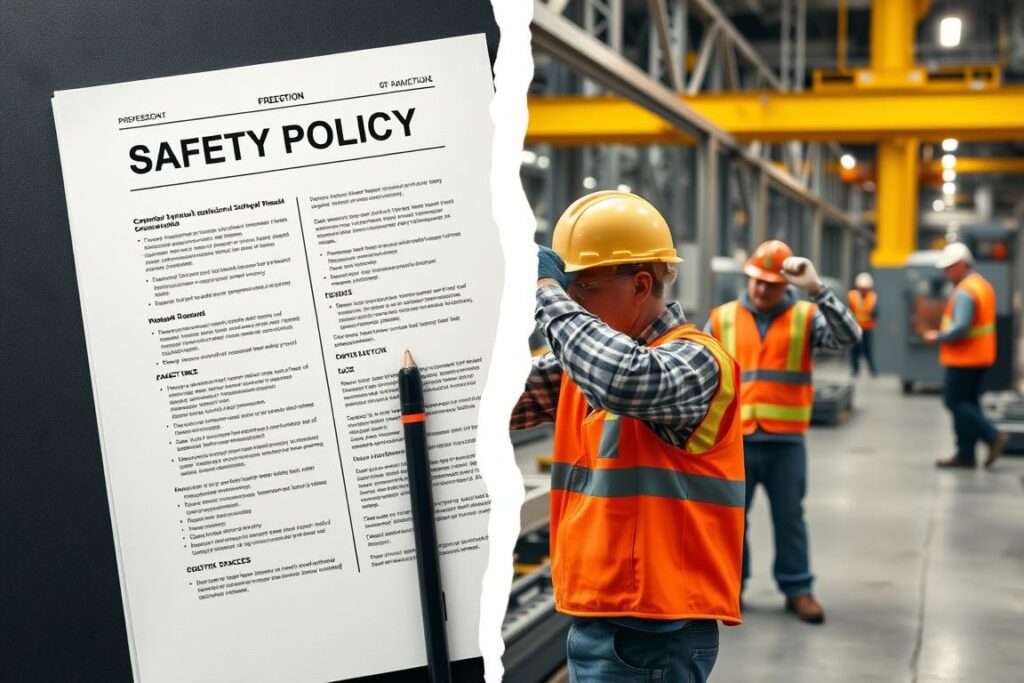
Many organizations have impressive safety policies on paper that bear little resemblance to daily practices. This disconnect often occurs when policies are developed without adequate input from those who must implement them, or when operational pressures create incentives to work around safety procedures.
For example, a company might have a documented “stop work” authority policy, but if employees who exercise this right face subtle disapproval or delays, the policy exists in name only. Bridging this gap requires leadership to consistently model and reinforce desired safety behaviors, especially when they conflict with production or efficiency goals.
Assessing Safety Culture — The 9 Core Elements
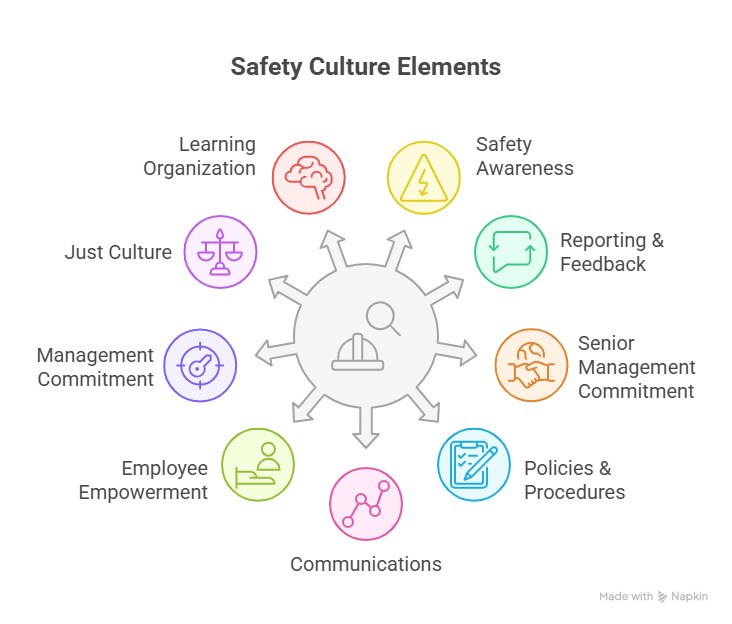
1️⃣ Safety Awareness
How well do people understand the risks in their daily work? Do they recognize hazards and understand the potential consequences of unsafe actions? Safety awareness forms the foundation of a strong safety culture by ensuring everyone shares a common understanding of risks.
2️⃣ Reporting & Feedback
Are safety concerns reported freely? Do employees receive timely feedback when they report issues? Effective reporting systems create a continuous flow of information that helps organizations identify and address emerging risks before incidents occur.
3️⃣ Senior Management Commitment
Do executives demonstrate visible commitment to safety through their decisions, resource allocation, and personal behavior? Leadership sets the tone for the entire organization’s approach to safety.
4️⃣ Policies, Processes & Procedures
Are safety guidelines clear, current, and actionable? Do they reflect operational realities? Effective safety documentation provides practical guidance rather than just meeting compliance requirements.
5️⃣ Communications
How effectively does safety information flow across organizational levels? Are messages consistent? Open communication ensures that safety concerns and lessons learned reach everyone who needs this information.
6️⃣ Employee Empowerment
Do workers feel confident speaking up about safety concerns? Can they stop work when necessary? Empowerment transforms employees from passive followers of rules to active participants in safety management.
7️⃣ Management Commitment
Do supervisors and middle managers consistently model and reinforce safe behaviors? Their day-to-day decisions and priorities have an immediate impact on how frontline employees approach safety.
8️⃣ Just Culture
Does the organization balance accountability with learning? A just culture distinguishes between honest mistakes and reckless behavior, creating an environment where people feel safe reporting errors.
9️⃣ Learning Organization
Does the organization continuously improve through shared lessons? Learning organizations treat every incident and near-miss as an opportunity to strengthen their safety systems and culture.
Step-by-Step Guide to Strengthening Safety Culture
Addressing safety culture gaps requires a systematic approach that engages the entire organization. The following six steps provide a roadmap for strengthening your safety culture and closing the gaps between your safety management system and actual safety performance.
✅ Step 1: Conduct a cultural gap assessment
Begin by gathering data through employee surveys, focus groups, and safety observations to identify specific cultural gaps. Compare perceptions across different organizational levels to uncover disconnects between leadership views and frontline realities.
✅ Step 2: Establish transparent reporting with feedback loops
Create multiple channels for safety reporting and ensure every report receives timely feedback. Track not just the number of reports but also how effectively they’re addressed. Celebrate those who report concerns rather than viewing reports as problems.
✅ Step 3: Empower supervisors and teams to lead daily safety conversations
Equip frontline leaders with tools and techniques for facilitating effective safety discussions. These regular conversations reinforce safety awareness and create opportunities to address emerging concerns before they lead to incidents.
✅ Step 4: Recognize and reward proactive safety behaviors
Shift recognition systems to focus on positive safety behaviors rather than just the absence of incidents. Acknowledge those who report concerns, intervene in unsafe situations, or suggest safety improvements.
✅ Step 5: Create a “just culture” where learning replaces punishment
Develop clear guidelines for distinguishing between honest mistakes and reckless behavior. Respond to errors with a focus on learning and system improvement rather than blame, while still maintaining appropriate accountability.
✅ Step 6: Align safety values with business decisions
Ensure that operational decisions consistently reflect stated safety values. When conflicts arise between safety and other priorities, use transparent decision-making processes that acknowledge trade-offs and implement additional safeguards.

Real-World Example: Bridging the Safety Culture Gap
A global manufacturing company with an excellent safety record on paper discovered significant cultural gaps during an assessment following a serious near-miss. Despite comprehensive safety procedures and regular compliance audits, the assessment revealed:
Key Findings:
- Near-miss reporting had declined by 65% over three years
- 85% of frontline employees believed raising safety concerns would negatively impact production targets
- Middle managers felt caught between safety requirements and production pressures
- Safety procedures were increasingly viewed as bureaucratic obstacles rather than protective measures
Improvement Actions:
- Implemented anonymous reporting system with guaranteed feedback within 48 hours
- Revised performance metrics to include leading safety indicators
- Trained supervisors in facilitating daily 5-minute safety discussions
- Created cross-level safety committees with authority to implement changes
- Executive team began participating in safety observations monthly
Within six months, near-miss reporting increased by 300%, and employee surveys showed a 45% improvement in perceptions of safety culture. Most importantly, the organization identified and addressed several serious system vulnerabilities that might otherwise have led to significant incidents.
Common Mistakes to Avoid
⚠️ Treating safety culture as a one-time campaign
Cultural change requires sustained effort over time, not just a temporary focus. Organizations often launch safety culture initiatives with great fanfare but fail to maintain momentum beyond the initial push.
⚠️ Measuring safety only through lagging indicators
Relying solely on incident rates and other lagging metrics provides an incomplete and delayed picture of safety performance. Leading indicators that measure cultural elements provide earlier insights into potential problems.
⚠️ Assuming compliance equals safety
Meeting regulatory requirements doesn’t guarantee a strong safety culture. Compliance-focused approaches often create paper systems that look good during audits but don’t reflect operational realities.
⚠️ Ignoring frontline input during safety reviews
Those closest to the work have the most accurate understanding of real-world safety challenges. Excluding their perspectives from safety decisions creates policies that don’t address actual risks.
Tools & Resources for Safety Culture Excellence
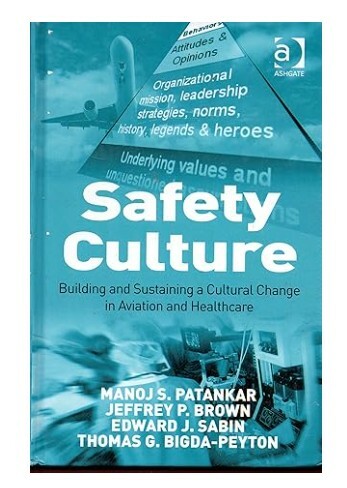
Safety Culture: Building and Sustaining a Cultural Change
This comprehensive guide explores proven strategies for creating lasting safety culture improvements in high-risk industries.
Price: $34.99
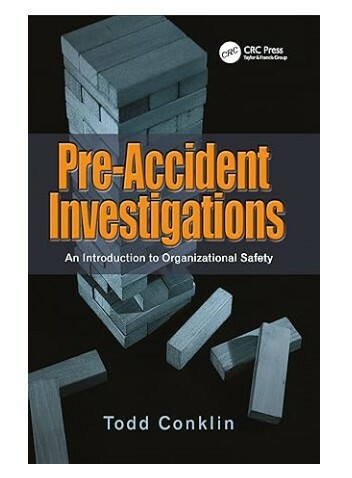
Pre-Accident Investigations: Better Questions
Learn how to identify and address cultural warning signs before they lead to incidents through improved questioning techniques.
Price: $29.95
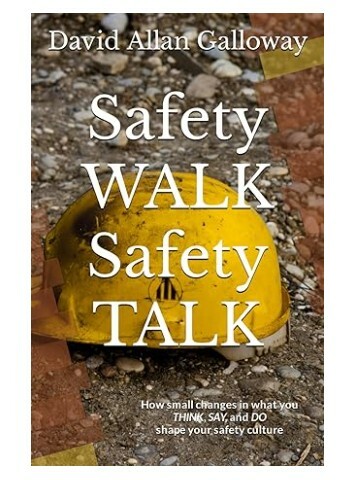
Safety WALK Safety TALK
How small changes in what you THINK, SAY, and DO shape your safety culture
Price: $24.50
Safety Culture Excellence Checklist
⚙️ Audit your safety culture regularly
Conduct comprehensive assessments of all nine cultural elements at least annually, with more frequent pulse checks on critical dimensions.
💬 Build open communication channels
Create multiple pathways for safety concerns to be raised, including anonymous options, and ensure every report receives timely feedback.
🧠 Empower teams to make safe decisions
Provide clear authority and support for safety-critical decisions, especially when they conflict with production or efficiency goals.
📋 Bridge the gap between policy and practice
Regularly review how safety procedures are actually implemented and modify approaches that don’t reflect operational realities.
🚀 Reinforce learning and leadership accountability
Create systems that capture and share lessons from incidents and near-misses while holding leaders accountable for cultural improvement.

Moving Beyond Compliance to Cultural Excellence
Safety culture isn’t built in policies—it’s built in people. The strongest systems fail if voices go unheard and concerns go unreported. The question isn’t whether you have an SMS—it’s whether your people trust it enough to live by it every day.
By addressing the three critical blind spots and strengthening the nine core elements of safety culture, organizations can bridge the gap between documented safety systems and actual safety performance. This journey requires sustained commitment and a willingness to look beyond compliance metrics to the human factors that ultimately determine safety outcomes.