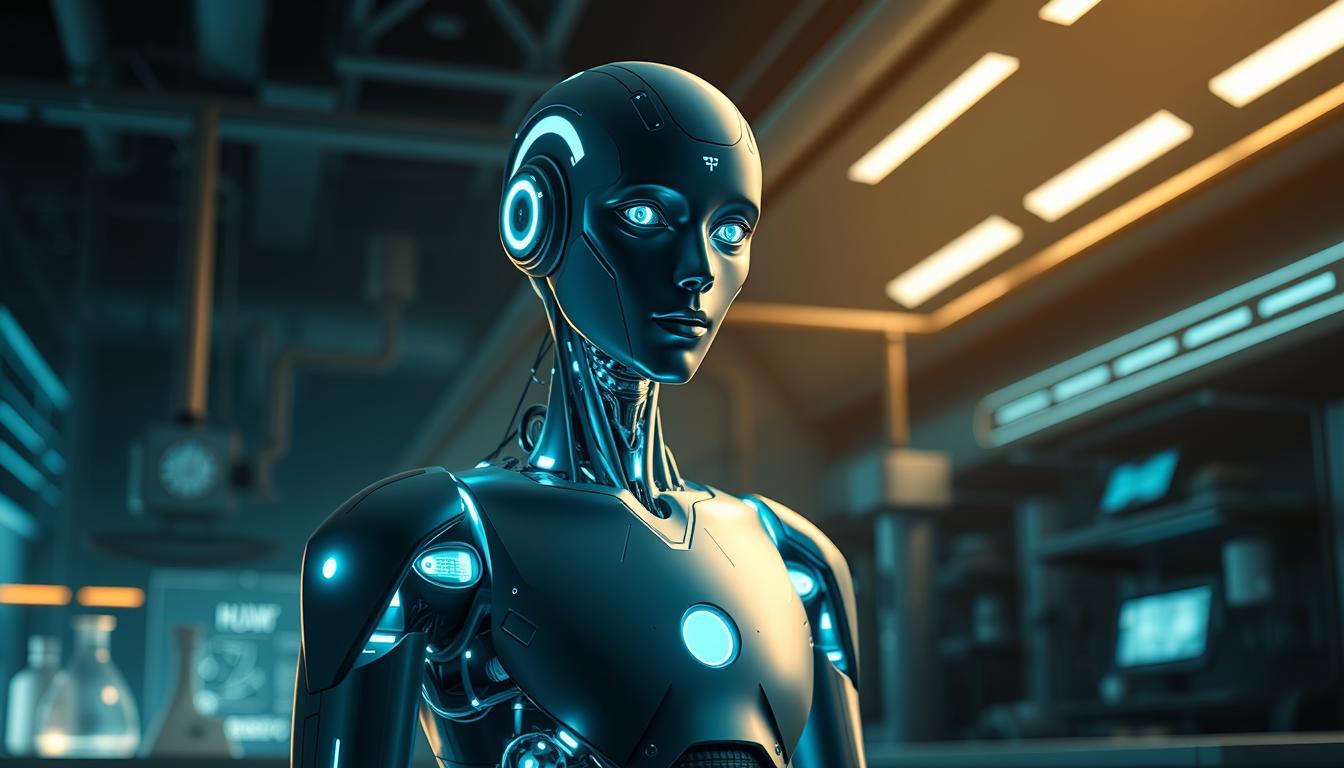

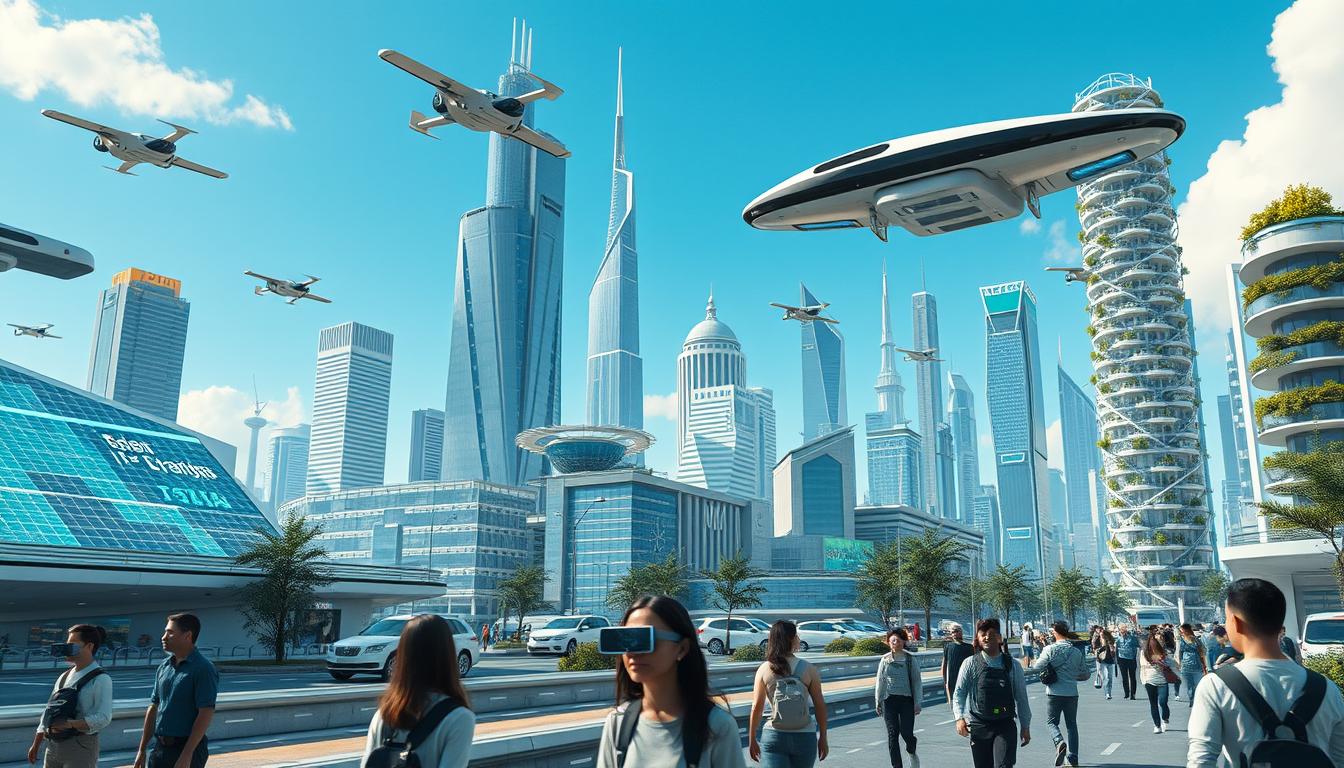
The seeds of tomorrow’s technological landscape are being planted today. Understanding how these innovations will converge and transform our world by 2035 isn’t just fascinating—it’s essential for anyone looking to thrive in the decades ahead. The rapid pace of technological advancement means that those who can adapt and harness these changes will have a significant advantage. From artificial intelligence to biotechnology, the possibilities are vast and complex, shaping everything from our daily lives to global economies. As we stand on the brink of this new era, it’s crucial to engage with these emerging technologies, exploring their potential impacts and ethical considerations. Let’s reverse engineer the future together.
Stay Ahead of the Curve
Join our community of future-focused professionals.
Why This Matters Now, Not Later
Today’s innovations aren’t just incremental improvements—they’re the foundation stones of a radically different world. By 2035, we won’t just have better versions of current technologies; we’ll have entirely new paradigms for how we live, work, and interact. This transformation will not only redefine industries but also alter the very fabric of society, influencing everything from our daily routines to our long-term aspirations. As we embrace these changes, we must consider how they will impact our values, ethics, and the way we perceive human connection.
Think of technology evolution like compound interest: small advances today create exponential growth tomorrow. The convergence of AI, quantum computing, and biotechnology is creating a perfect storm of innovation that will reshape every industry and aspect of human life. As these fields interlink, they will unlock unprecedented capabilities, leading to breakthroughs in healthcare, environmental sustainability, and personalized experiences. This synergistic growth will empower individuals and organizations alike, fostering a landscape where creativity and problem-solving thrive in ways we can only begin to imagine.

According to Gartner, by 2025, 75% of business leaders will be actively seeking technology convergence opportunities—a trend that will only accelerate toward 2035. Those who understand these intersections now will be positioned to lead rather than follow.
🤖 AI’s Rapid Evolution: From Assistant to Co-Leader
The artificial intelligence of 2035 will bear little resemblance to today’s systems. While current AI excels at specific tasks, tomorrow’s AI will demonstrate broader intelligence across multiple domains simultaneously.

Key Developments Shaping AI by 2035:
- Agentic AI systems that autonomously complete complex, multi-step tasks with minimal human oversight
- AI that develops its own hypotheses and conducts scientific research, accelerating discovery in medicine and materials science
- Emotional intelligence capabilities that allow AI to understand and respond appropriately to human feelings and social dynamics
- Seamless integration between human and artificial intelligence through advanced brain-computer interfaces
- AI governance systems that help manage complex societal challenges like climate change and resource allocation
By 2035, AI won’t just be a tool we use—it will be an active participant in decision-making across business, healthcare, and governance. This shift will redefine how we approach problem-solving and innovation, as AI systems will analyze vast amounts of data and provide insights that humans alone could not uncover. Organizations that establish ethical frameworks and integration strategies now will be best positioned to leverage these powerful systems, ensuring that they not only enhance efficiency but also align with societal values and ethical standards. The proactive development of policies and guidelines will be crucial in navigating the complexities of AI interactions with human stakeholders, fostering a collaborative environment where technology and humanity can thrive together.
“By 2035, the distinction between human and artificial intelligence will blur not because AI becomes more human, but because humans and AI will form a more symbiotic relationship.”
⚛️ Quantum Computing’s Promise: Unlocking the Impossible
Quantum computing represents perhaps the most profound computational leap in human history. While still in its early stages today, by 2035, quantum systems will have moved from specialized research tools to practical business applications that solve previously intractable problems.

Quantum Computing Applications in 2035:
Financial Services
- Real-time risk assessment across global markets
- Optimization of investment portfolios considering millions of variables simultaneously
- Fraud detection systems that identify patterns invisible to classical computing
Healthcare & Pharmaceuticals
- Simulation of molecular interactions for personalized medicine
- Drug discovery accelerated from years to weeks
- Protein folding analysis for treating previously incurable diseases
The quantum computing market is projected to grow from approximately $750 million in 2024 to over $5.3 billion by 2029. Organizations that begin quantum literacy programs now will have a significant advantage as these systems become more accessible.
Quantum-Ready Checklist: Begin assessing which business problems in your organization could benefit from quantum approaches. Identify team members who can develop quantum expertise. Consider partnerships with quantum computing providers for early access to capabilities.
🧬 CRISPR & Gene Editing: Rewriting Life’s Code
By 2035, gene editing technologies like CRISPR will have moved from experimental treatments to mainstream medical practice. The ability to precisely modify genetic code will transform healthcare, agriculture, and materials science in ways we’re only beginning to imagine.

Transformative Applications of Gene Editing by 2035:
- Elimination of genetic diseases through embryonic or adult cell modification
- Personalized cancer treatments that reprogram immune cells to target specific tumors
- Engineered microorganisms that produce sustainable materials and clean energy
- Drought and disease-resistant crops that increase food security in changing climates
- Biosensors built from engineered cells that detect environmental toxins or health conditions
The synthetic biology market, which includes gene editing technologies, is expected to grow from $24.6 billion in 2025 to nearly $193 billion by 2034. This explosive growth reflects the wide-ranging applications of these technologies across multiple industries.
Ethical Considerations: The power to edit genetic code raises profound questions about equity, access, and the definition of human enhancement. Organizations and societies must develop robust ethical frameworks alongside technical capabilities.
Step-by-Step Guide: How to Reverse Engineer the Future
Preparing for 2035 isn’t about predicting exact outcomes—it’s about developing the adaptability and awareness to thrive in a rapidly changing landscape. Here’s how to build your future-readiness:

- Track Today’s Tech Breakthroughs and Adoption Curves
Monitor developments in AI, quantum computing, and biotechnology. Pay attention not just to technical advances but to adoption rates and regulatory responses. Resources like MIT Technology Review and CB Insights provide valuable tracking tools. - Understand Cross-Industry Convergence
The most disruptive innovations often happen at the intersection of different technologies. Study how AI enhances biotechnology or how quantum computing transforms materials science. Look for unexpected combinations. - Build Adaptability into Careers and Businesses
Develop modular business models and career skills that can flex with technological change. Prioritize capabilities that complement rather than compete with advancing technology. - Engage with Ethical and Social Debates
Technological capability often outpaces ethical frameworks. Participate in discussions about how these technologies should be governed and what limits might be appropriate. - Prepare for Personal and Professional Reskilling
By 2035, many current job functions will be automated or transformed. Develop a continuous learning mindset and invest in skills that leverage uniquely human capabilities.
Future Case Scenarios: 2035 in Action
To make these abstract technologies concrete, let’s explore how they might transform real businesses and lives by 2035:
Global Logistics Transformed

In 2035, LogistiCorp operates a fully autonomous supply chain optimized by quantum computing. Their system processes millions of variables—weather patterns, geopolitical events, consumer demand signals, and transportation availability—to create perfect efficiency.
AI agents negotiate contracts and reroute shipments in milliseconds, while synthetic biology has created packaging that’s not just biodegradable but actively beneficial to soil when discarded. Carbon emissions have been reduced by 87% compared to 2025 operations.
Healthcare Revolution

Elena, age 67, receives an alert from her health monitoring system: subtle changes in her blood chemistry indicate early-stage cancer development. Her doctor reviews the AI analysis and orders a precision CRISPR treatment designed specifically for her genetic profile.
The treatment, delivered via engineered nanoparticles, targets only the affected cells. Three weeks later, follow-up scans show complete elimination of the cancerous cells. The entire process is covered by her health plan and requires no hospital stay.
Top 5 Books on Future & Technology
Deepen your understanding of future technologies with these essential reads:
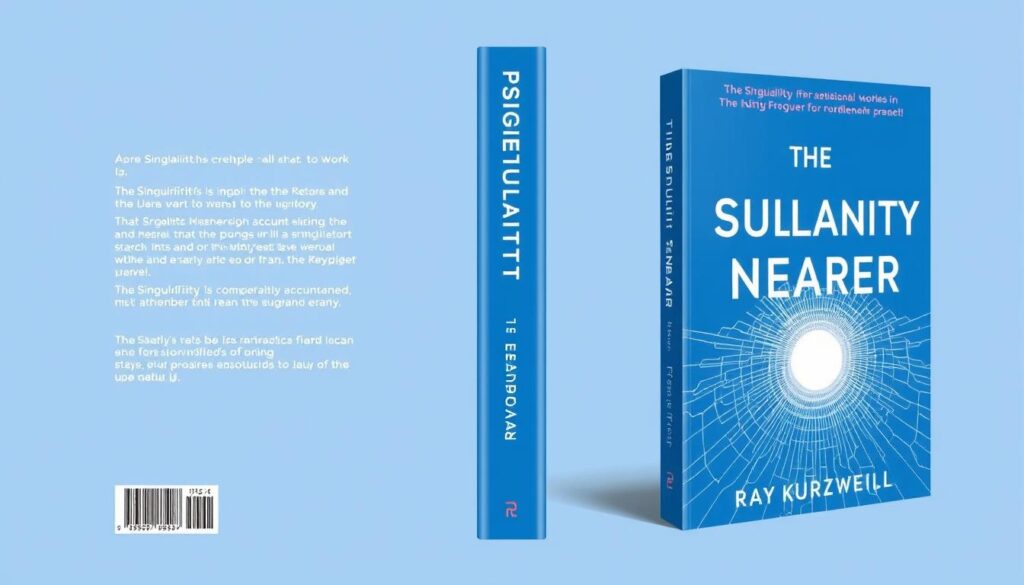
The Singularity Is Nearer
By Ray Kurzweil
Price: $24.99-$29.99
Kurzweil’s follow-up to his groundbreaking work explores how technological growth is accelerating toward a profound transformation of human capability.
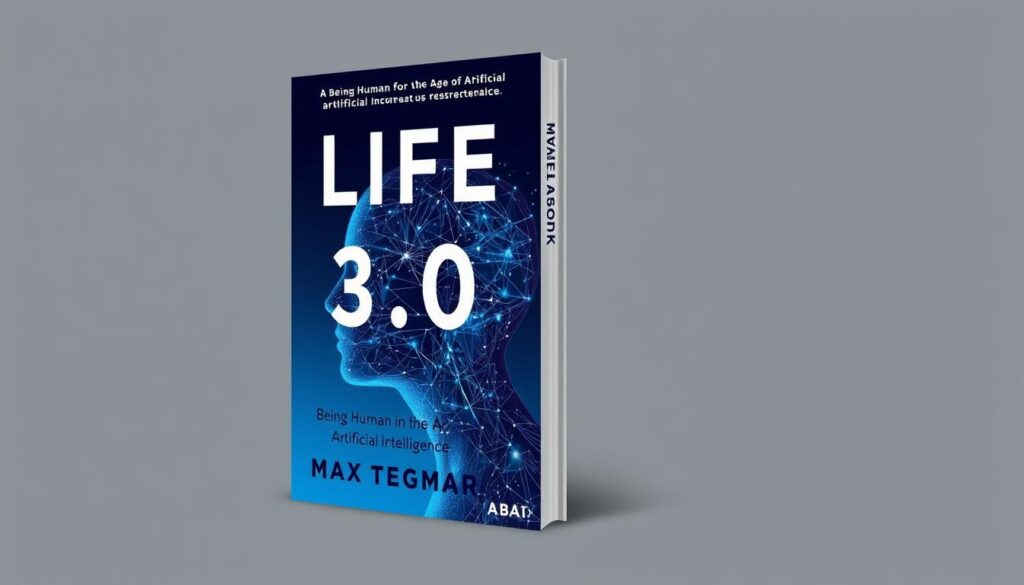
Life 3.0: Being Human in the Age of Artificial Intelligence
By Max Tegmark
Price: $17.99-$22.99
Explores how AI will affect crime, war, justice, jobs, society and our sense of being human.
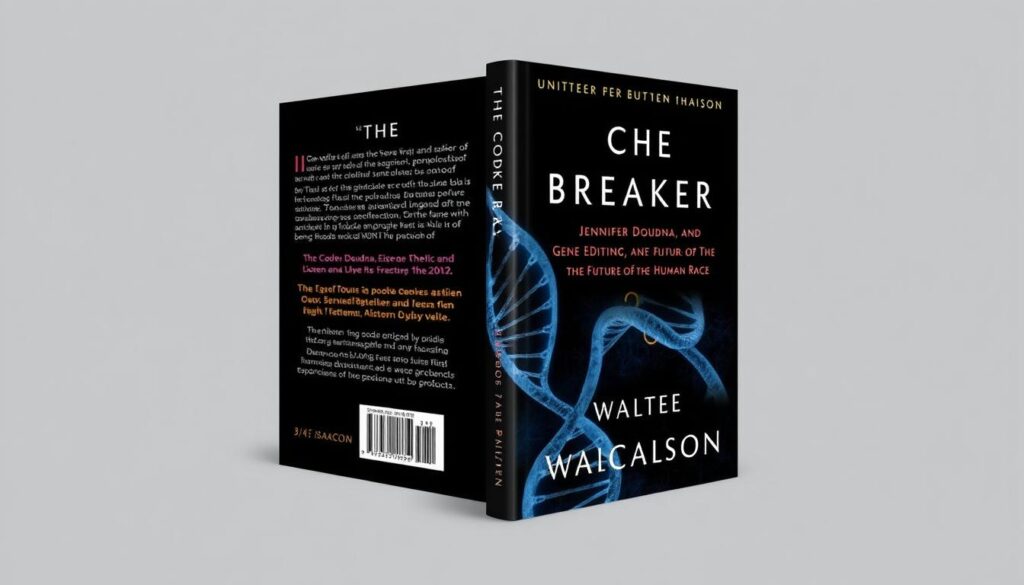
The Code Breaker
By Walter Isaacson
Price: $19.99-$24.99
The story of Jennifer Doudna and the development of CRISPR technology that will transform medicine and potentially the human species.
| Book Title | Author | Price Range | Rating | Purchase |
| The Singularity Is Nearer | Ray Kurzweil | $24.99-$29.99 | 4.7/5 | Buy |
| Life 3.0 | Max Tegmark | $17.99-$22.99 | 4.5/5 | Buy |
| The Code Breaker | Walter Isaacson | $19.99-$24.99 | 4.6/5 | Buy |
| Homo Deus | Yuval Noah Harari | $16.99-$21.99 | 4.5/5 | Buy |
| The Future Is Faster Than You Think | Peter H. Diamandis & Steven Kotler | $18.99-$23.99 | 4.6/5 | Buy |
For those who like to read using Kindle, you can get yours through this link:
5 Common Mistakes When Thinking About the Future
Avoid these pitfalls when planning for technological change:

Common Future-Thinking Mistakes
- Assuming Linear Growth – Technology often advances exponentially, not linearly. What seems decades away may arrive in years.
- Ignoring Ethical Dimensions – Technical capability without ethical frameworks leads to societal backlash and regulatory constraints.
- Underestimating Disruption Speed – Once technologies reach critical adoption thresholds, change can happen with breathtaking speed.
- Focusing on Single Technologies – The most profound changes come from the convergence of multiple technologies, not any single innovation.
- Resisting Rather Than Adapting – Organizations that resist change rather than developing adaptive strategies will be left behind.
Better Approaches
- Plan for Exponential Change – Build scenarios that account for accelerating rates of technological advancement.
- Integrate Ethics from the Start – Develop ethical frameworks alongside technological capabilities.
- Create Flexible Strategies – Design business and career strategies that can adapt to multiple possible futures.
- Look for Convergence Opportunities – Identify where different technologies might combine to create new possibilities.
- Embrace Continuous Learning – Foster a culture of experimentation and adaptation to thrive amid change.
Future-Readiness Checklist
How prepared are you for the technological landscape of 2035? Use this checklist to assess your readiness:

- I regularly follow developments in AI, quantum computing, and biotechnology
- My organization has discussed how these technologies might impact our industry
- We have identified potential new business models enabled by emerging technologies
- Our team includes or has access to expertise in key future technologies
- We have considered ethical implications of adopting these technologies
- Our strategic planning extends beyond 5 years and considers multiple technology scenarios
- We have identified skills and capabilities that will remain valuable as automation increases
- Our data infrastructure is prepared for AI integration and quantum-safe security
- We actively experiment with emerging technologies rather than waiting for them to mature
- Our organization culture embraces change and continuous learning
Conclusion: Engineering Tomorrow
As we’ve explored, the technological landscape of 2035 will be shaped by the convergence of AI, quantum computing, and biotechnology. These aren’t distant sci-fi concepts; they’re daily news, impacting industries from healthcare to finance and beyond. Innovations in AI are streamlining processes and enhancing decision-making, while quantum computing promises to solve complex problems at unprecedented speeds. Biotechnology is revolutionizing medicine, enabling personalized treatments and sustainable solutions. Their trajectory is accelerating, and as these technologies intertwine, they will redefine our capabilities and challenge our ethical frameworks.

“The best way to predict the future is to build it.”
The future isn’t written—it’s engineered. What role will you play in shaping 2035? By understanding today’s breakthrough technologies, tracking their convergence, and developing adaptive strategies, you can position yourself and your organization not just to survive but to thrive in the decades ahead.
Start today. The seeds of 2035 are being planted now, and those who nurture them will harvest the greatest opportunities.
Stay Ahead of the Curve
Join our community of future-focused professionals. Receive monthly insights on emerging technologies and practical strategies for thriving in 2035 and beyond.