
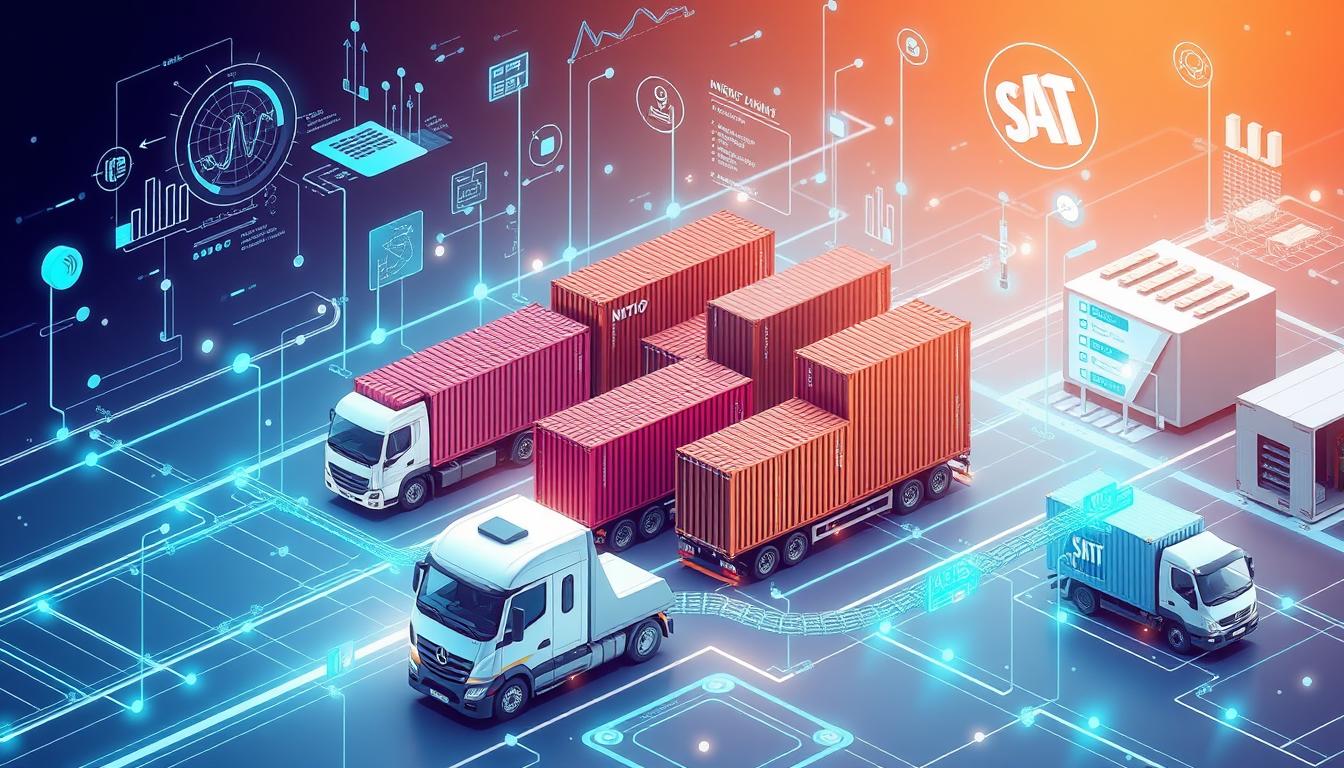
What if your shipments could warn you about delays before they happen? What if your trucks could “talk” to your ERP system in real-time? What if your supply chain could predict and solve problems before they impact your customers?
These aren’t futuristic scenarios—they’re happening right now through predictive shipment tracking powered by AI and IoT. According to McKinsey, companies implementing these technologies are seeing up to 15% reduction in logistics costs and 20% improvement in on-time delivery rates.
The days of reactive supply chain management are over. Today’s logistics leaders are shifting to predictive operations that anticipate issues, optimize routes, and deliver exceptional customer experiences. Let’s explore how this technology works and how you can implement it in your operations.
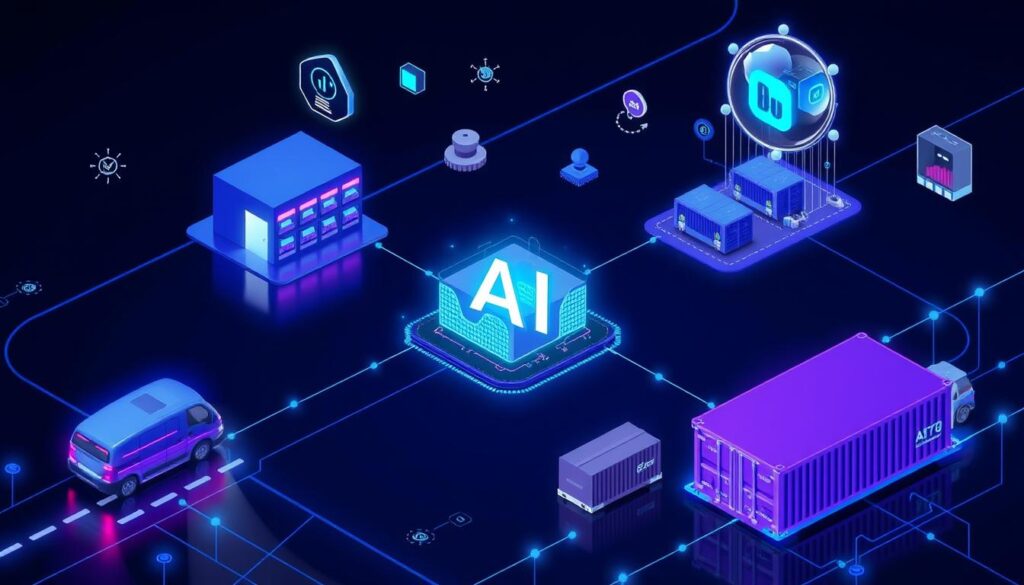
AI and IoT technologies create a powerful ecosystem for predictive shipment tracking
Why Is Predictive Shipment Tracking Important?
Traditional tracking systems tell you where your shipment is right now. Predictive shipment tracking, powered by AI and IoT technologies, tells you where it will be—and if there’s going to be a problem. This innovative approach not only enhances visibility but also anticipates potential disruptions before they impact the supply chain. By utilizing real-time data from various sources, including sensors and GPS, businesses can gain insights into shipment conditions and environmental factors that could affect delivery times. This shift from reactive to proactive management, leveraging machine learning and predictive analytics, is transforming supply chains worldwide with enhanced efficiency and real-time monitoring. Moreover, companies can optimize routes and schedules, reduce costs associated with delays, and improve customer satisfaction by providing accurate delivery estimates. The integration of these advanced technologies fosters a more resilient supply chain capable of adapting to changes and challenges swiftly.
“The best supply chains don’t just react—they predict. Companies that master predictive capabilities gain a significant competitive advantage in today’s market.”
The High Cost of Delayed Shipments
Delayed shipments aren’t just inconvenient—they’re expensive. According to DHL research, supply chain disruptions cost businesses an average of $184 million per year. These costs come from a variety of factors that can significantly affect a company’s bottom line and operational efficiency. For instance, expedited shipping fees to make up for delays can skyrocket, as companies often have to pay a premium to rush orders to meet customer expectations. Additionally, there are costs associated with an idle workforce and equipment waiting for delayed shipments, which can lead to lost productivity and increased labor costs. Furthermore, customer compensation and lost future business can result from delays, as dissatisfied customers may seek alternatives, damaging long-term relationships and brand loyalty. Lastly, inventory carrying costs for buffer stock kept to mitigate delays can strain financial resources, as businesses must invest in additional inventory to ensure they can meet demand despite uncertainties in delivery schedules. These cumulative costs illustrate how critical it is for businesses to adopt predictive shipment tracking solutions, leveraging IoT applications and advanced analytics, to minimize disruptions and enhance overall supply chain resilience.
Limitations of Traditional Tracking Systems
Conventional tracking systems suffer from several critical limitations:
Reactive, Not Proactive
Traditional systems only report problems after they occur, giving you no time to develop alternatives in the fast-paced world of modern logistics.
Limited Data Collection
Most systems only track location, missing critical data about conditions, environment, and potential risks, which hampers efficiency in supply chain management.
Siloed Information
Data remains trapped in separate systems, preventing holistic visibility across the supply chain, and limiting access to vital information needed for effective decision-making.
Manual Intervention
Traditional systems require human analysis to identify issues and determine solutions, which can slow down the development of a more automated model.
Rising Customer Expectations
Today’s customers expect more than ever before:

Modern customers expect real-time visibility and accurate delivery predictions
Meeting these expectations requires a fundamental shift in how we approach shipment tracking—moving from simple location updates to intelligent, predictive systems powered by edge computing and machine learning applications. This transformation involves advanced monitoring and insights, utilizing cutting-edge technologies to enhance our intelligence in logistics. By integrating real-time data analytics and leveraging the capabilities of IoT devices, businesses can gain a comprehensive view of their supply chain operations. This not only allows for timely updates but also enables companies to anticipate potential disruptions before they occur. The use of machine learning algorithms further refines these predictions, continuously learning from past data to improve accuracy over time. Ultimately, this evolution in shipment tracking leads to more efficient operations, reduced costs, and improved customer satisfaction, as clients receive timely and precise information about their shipments.
The Power Duo: AI + IoT in Predictive Shipment Tracking
Predictive shipment tracking represents the convergence of two transformative technologies: Artificial Intelligence (AI) and the Internet of Things (IoT). Think of AI as the brain and IoT as the senses of your supply chain—together, they create an intelligent system that can see, think, and act.
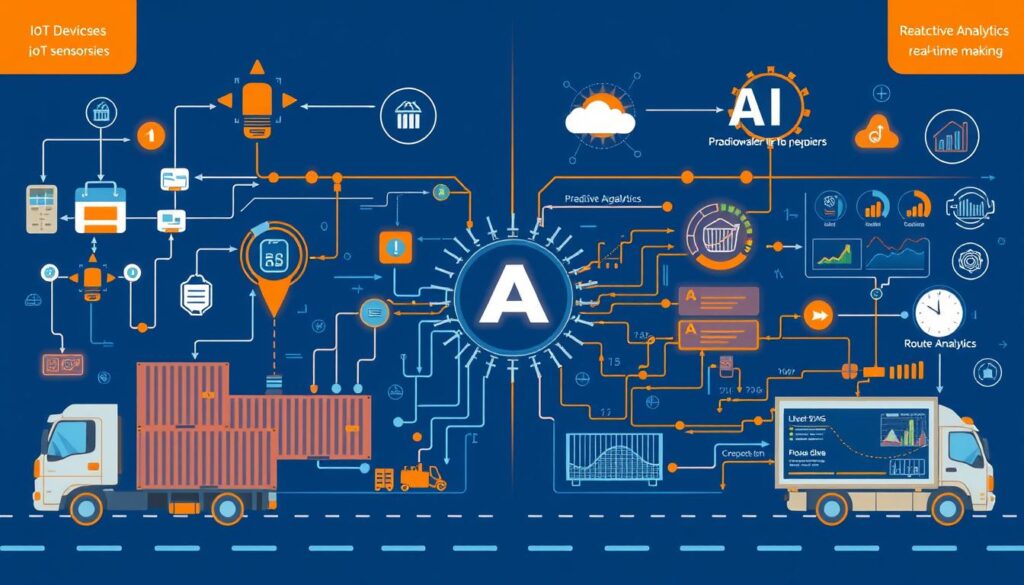
How AI and IoT work together to enable predictive shipment tracking
What Is Predictive Shipment Tracking?
Predictive shipment tracking is a technology-driven approach that uses real-time data and advanced analytics to forecast delivery times, identify potential disruptions before they occur, and automatically suggest corrective actions.
Unlike traditional tracking that simply reports a shipment’s current location, predictive tracking:
The Role of IoT: The Supply Chain’s Senses
IoT devices serve as the “senses” of your supply chain, collecting critical data from multiple sources:
Location Trackers
GPS and cellular-based devices that provide real-time position data for vehicles and shipments.
Environmental Sensors
Devices that monitor temperature, humidity, light exposure, and shock/vibration for sensitive cargo.
RFID & NFC Tags
Passive or active tags that enable automated identification and tracking through warehouses and checkpoints.

IoT devices collect critical data throughout the supply chain journey
The Role of AI: The Supply Chain’s Brain
AI serves as the “brain” of your supply chain, processing the vast amounts of data collected by IoT devices and turning it into actionable insights:
Machine Learning
Algorithms that identify patterns in historical shipment data to predict future outcomes and detect anomalies.
Predictive Analytics
Statistical techniques that forecast delivery times based on current conditions and historical performance.
Natural Language Processing
AI that interprets text data from weather reports, traffic updates, and other sources to identify potential disruptions.
How They Work Together
The magic happens when IoT and AI work in concert:
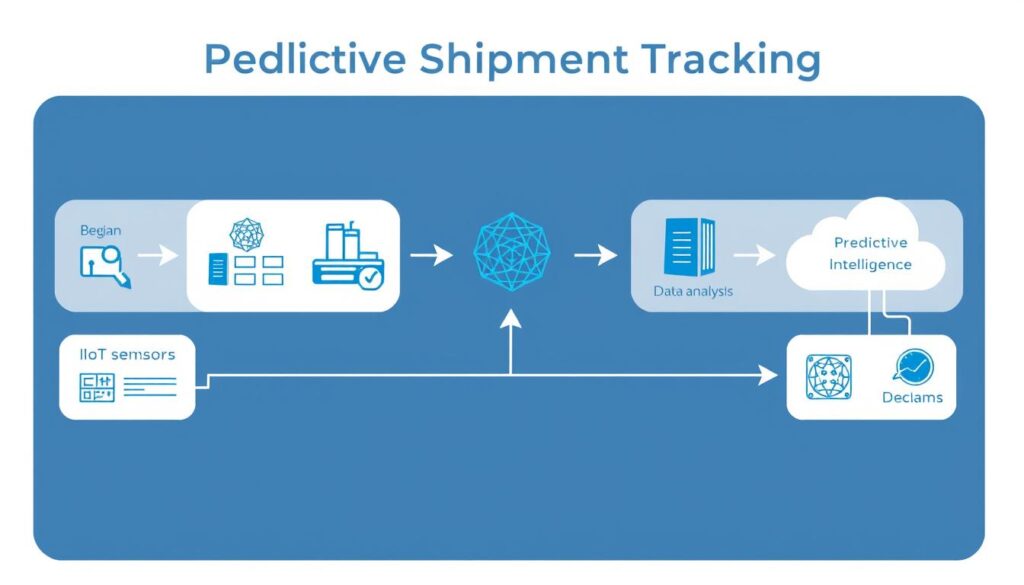
The data flow in a predictive shipment tracking system
- Data Collection: IoT devices continuously gather location, condition, and environmental data from shipments and vehicles.
- Data Transmission: This information is transmitted via cellular, satellite, or low-power networks to central systems.
- Data Processing: AI algorithms process this data, combining it with external information like weather forecasts and traffic conditions.
- Pattern Recognition: Machine learning identifies patterns and anomalies that might indicate potential delays or issues.
- Predictive Analysis: The system forecasts delivery times and potential disruptions based on current conditions and historical patterns.
- Automated Decisions: In advanced systems, AI can automatically initiate corrective actions like route changes or customer notifications.
Real-World Example: A truck carrying temperature-sensitive pharmaceuticals is approaching an area with forecasted severe weather. IoT sensors detect a slight temperature fluctuation in the cargo area. The AI system analyzes this data along with weather forecasts and historical performance. It predicts a high risk of temperature excursion and automatically suggests an alternative route that avoids the weather system while still meeting delivery timelines.
Step-by-Step Guide to Implementing Predictive Tracking
Implementing predictive shipment tracking doesn’t have to be overwhelming. Follow this structured approach to build a system that delivers real value to your operations.
Implementation roadmap for predictive shipment tracking
📡 Step 1: Equip Assets with IoT Devices
The foundation of any predictive tracking system is the IoT infrastructure that collects data from your shipments and vehicles.
Pro Tip: Start with a pilot deployment on your most critical routes or highest-value shipments. This allows you to demonstrate value quickly while refining your approach before full-scale implementation.
🤖 Step 2: Integrate AI Analytics
Once you’re collecting data, you need AI capabilities to transform it into predictive insights.
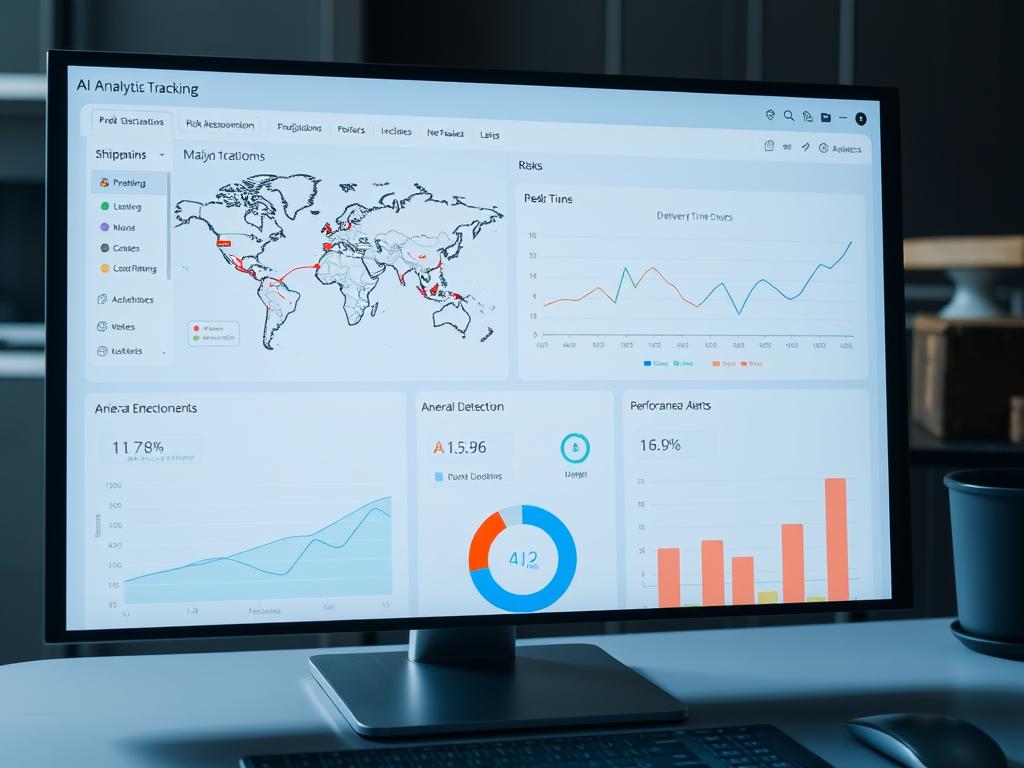
AI analytics dashboard showing predictive insights for shipment tracking
🔗 Step 3: Connect with Your Supply Chain Platforms
For maximum value, your predictive tracking system should integrate with your existing supply chain technology stack.
📊 Step 4: Set KPIs and Alerts
Establish clear metrics and notification protocols to ensure you’re getting value from your system.
Key Performance Indicators
Alert Configuration
🛠 Step 5: Train Your Team
Technology alone isn’t enough—your team needs to know how to leverage predictive insights effectively. Understanding how to utilize these insights can significantly enhance operational efficiency and customer satisfaction, ultimately leading to a more resilient supply chain.

Building a data-driven team culture is essential for predictive tracking success
Real-World Case Studies: Predictive Tracking in Action
Let’s examine how leading companies are using predictive shipment tracking to transform their operations and deliver exceptional results.
Case Study 1: Global Pharmaceutical Distributor
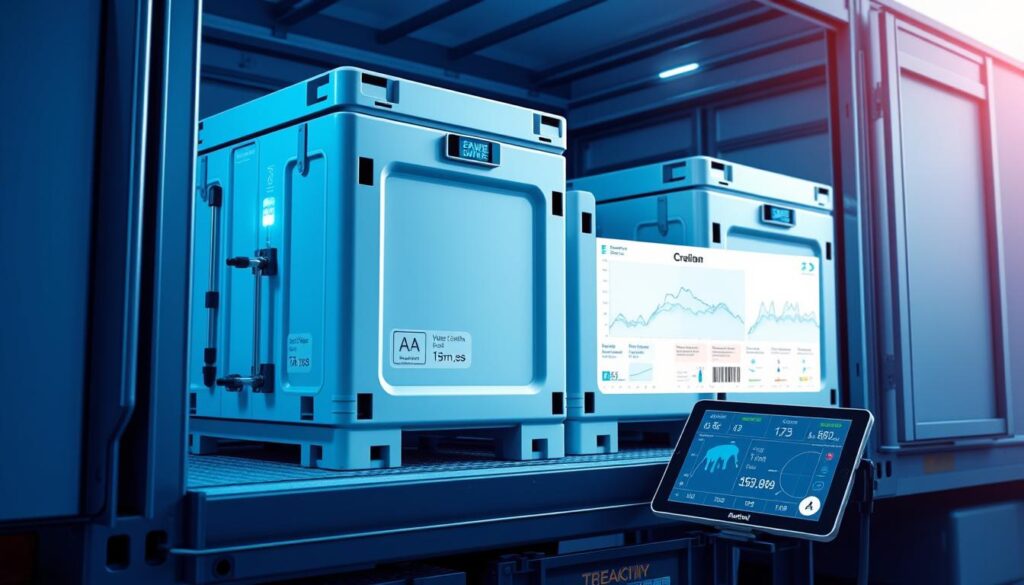
Challenge:
A global pharmaceutical distributor was struggling with temperature excursions in their cold chain shipments, resulting in product loss and compliance issues. Traditional tracking only alerted them after temperature breaches occurred, when it was too late to save the products.
Solution:
The company implemented a predictive tracking system using:
Results:
The system paid for itself within 9 months through reduced product loss and fewer compliance penalties. Customer satisfaction scores increased by 28% due to more reliable deliveries.
Case Study 2: E-Commerce Retailer
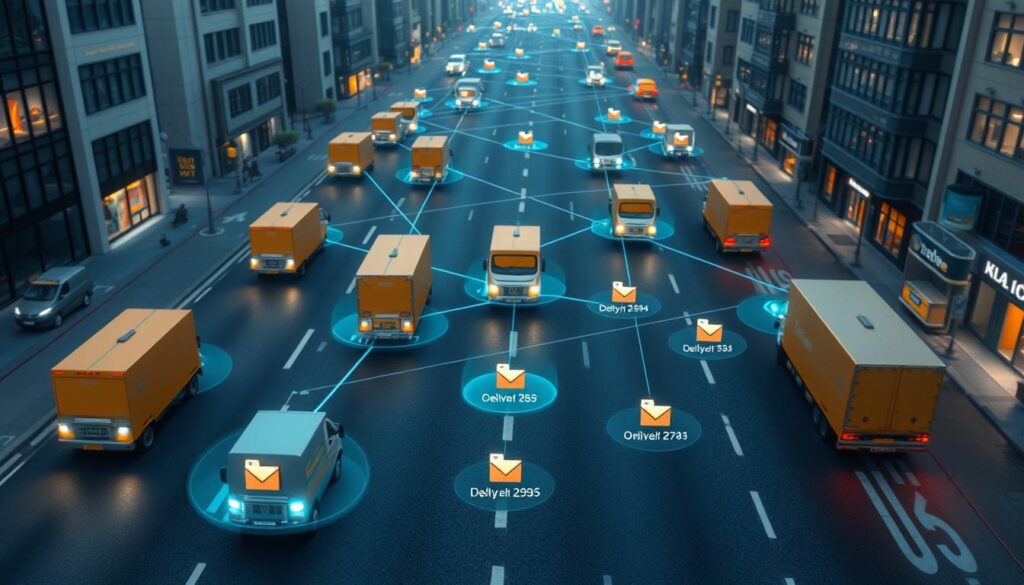
Challenge:
A fast-growing e-commerce retailer was struggling with inconsistent delivery times and poor customer communication, resulting in high support call volumes and negative reviews.
Solution:
The retailer implemented a comprehensive predictive tracking system:
Results:
The company saw a 22% increase in repeat purchases and a significant improvement in online reviews. The predictive system also reduced fuel costs by 18% through more efficient routing.
ROI & Benefits Breakdown
Implementing predictive shipment tracking delivers measurable returns across multiple dimensions of your supply chain operations.
Key benefits and ROI metrics for predictive shipment tracking
📦 Operational Benefits
🚚 Cost Reduction
📡 Customer Experience
🔄 Additional Strategic Benefits
Risk Management
Predictive tracking helps identify and mitigate risks before they impact operations, reducing disruptions and improving resilience.
Competitive Advantage
Offering superior visibility and reliability creates a significant differentiator in markets where delivery performance is critical.
Sustainability
Optimized routes and reduced failed deliveries lower fuel consumption and carbon emissions, supporting environmental goals.
Scalability
Predictive systems enable more efficient scaling of operations without proportional increases in management overhead.
5 Common Implementation Mistakes to Avoid
Even the best technology can fail if implementation isn’t handled properly. Here are the most common pitfalls to avoid when deploying predictive shipment tracking.
Common Mistakes
Many companies select IoT devices that meet current needs but can’t scale as operations grow. Ensure your hardware can accommodate future expansion without complete replacement.
Shipment data can be sensitive, especially for high-value or regulated cargo. Implement robust encryption, access controls, and security protocols from day one.
The most sophisticated system is useless if your team doesn’t know how to leverage its insights. Invest in comprehensive training for all users.
Connecting predictive tracking with existing systems often proves more challenging than anticipated. Budget adequate time and resources for integration work.
Location is just one dimension of predictive tracking. For maximum value, include environmental monitoring, condition tracking, and external data sources.
Best Practices
Begin with a limited deployment on critical routes or high-value shipments to demonstrate value and refine your approach.
Use end-to-end encryption, secure authentication, and regular security audits to protect sensitive shipment data.
Develop a structured training program and change management process to ensure adoption across your organization.
Work with experienced integration specialists to connect your predictive tracking system with existing supply chain platforms.
Implement a comprehensive solution that tracks location, condition, environment, and external factors for complete visibility.
Avoiding common pitfalls leads to more successful implementation
Critical Warning: Don’t underestimate the importance of data quality. Predictive systems are only as good as the data they receive. Implement rigorous data validation processes and regular sensor calibration to ensure your system receives accurate, reliable information.
Implementation Checklist: Your Path to Predictive Tracking Success
Use this comprehensive checklist to guide your predictive shipment tracking implementation and ensure you don’t miss any critical steps.
Follow this implementation roadmap for predictive tracking success
Assessment & Planning
Technology Selection
Implementation
Testing & Validation
Optimization
Scaling & Expansion
Conclusion: The Future of Supply Chain Is Predictive
The integration of AI and IoT for predictive shipment tracking represents a fundamental shift in supply chain management—moving from reactive problem-solving to proactive optimization. Organizations that embrace these technologies gain a significant competitive advantage through improved efficiency, reduced costs, and enhanced customer experiences.
As we’ve explored throughout this article, implementing predictive tracking doesn’t have to be overwhelming. By following a structured approach, selecting the right tools, and focusing on continuous improvement, companies of all sizes can transform their logistics operations.
The question is no longer whether to implement predictive shipment tracking, but how quickly you can deploy it to stay ahead in an increasingly competitive marketplace. The technology is mature, the benefits are proven, and the path forward is clear.
The future of supply chain is predictive, connected, and intelligent