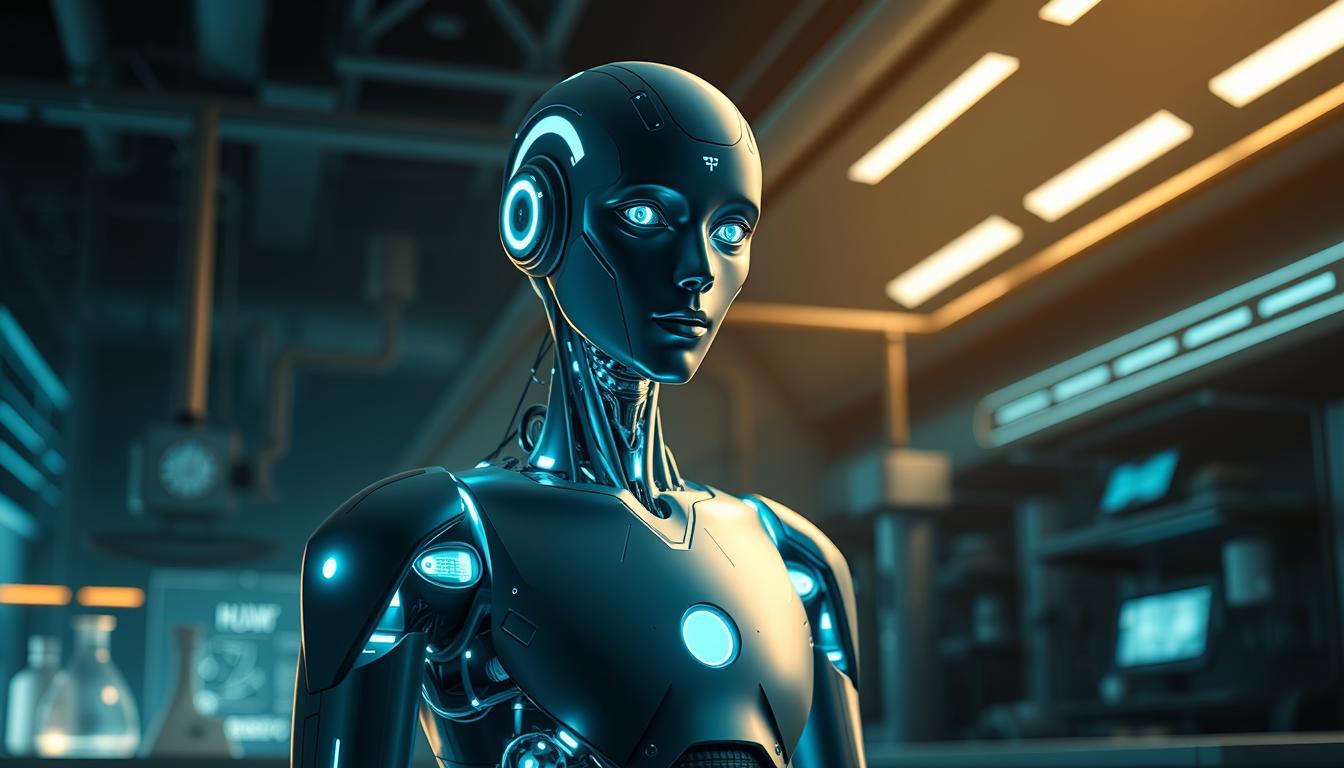

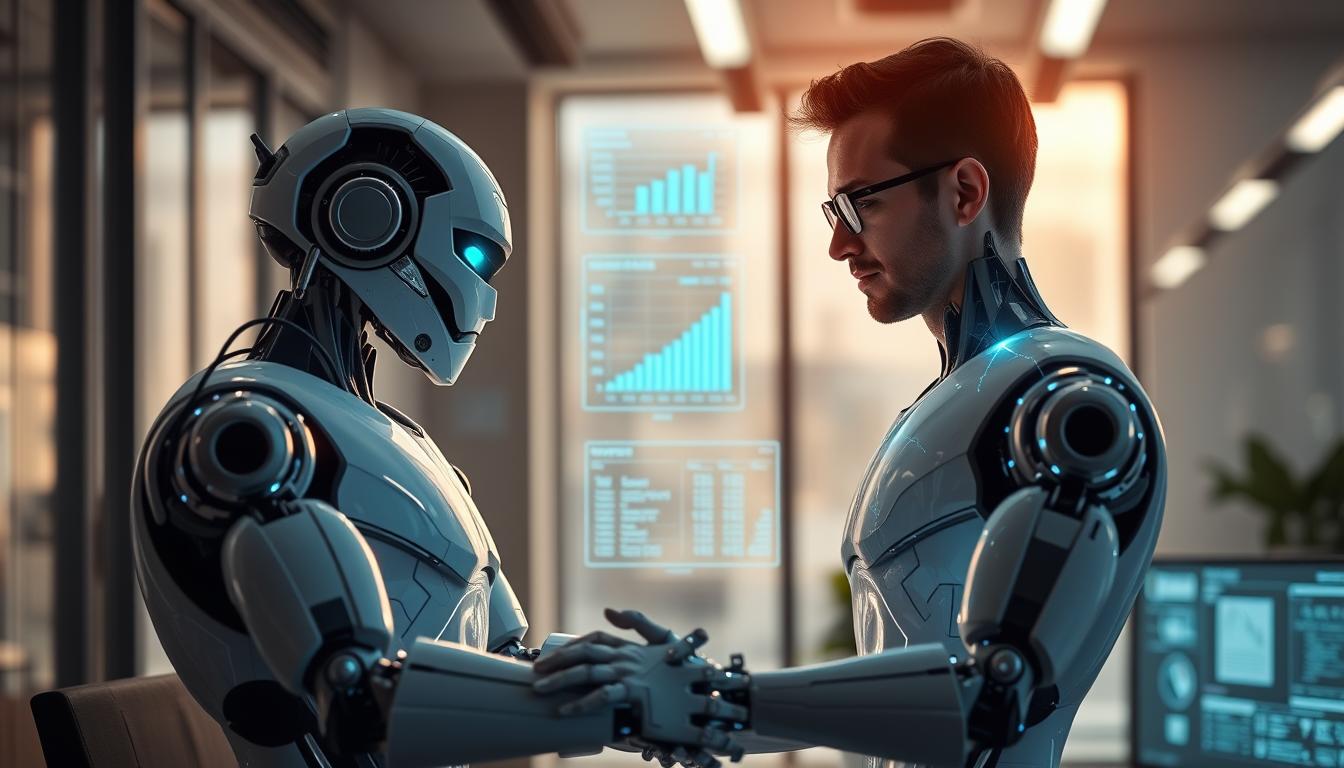
According to McKinsey estimates that by 2030, up to 30% of work hours globally could be automated. These statistics paint a complex picture of AI’s impact on jobs – one that deserves a deeper look beyond the headlines.
Before we panic about AI’s impact on jobs, it’s worth looking back at how previous technological revolutions transformed work – and how humanity adapted each time. Throughout history, we have witnessed significant shifts, such as the Industrial Revolution, which not only displaced many traditional jobs but also gave rise to entirely new industries and roles that were previously unimaginable. For instance, while many artisans and craftsmen found their trades threatened by mechanization, new opportunities emerged in manufacturing, engineering, and technology sectors.
This transformation was not merely a loss of jobs; it involved a fundamental change in the way work was organized and executed. Workers had to learn new skills to adapt to the evolving landscape, leading to a workforce that was more versatile and capable of handling complex tasks. Additionally, the introduction of steam power and later electricity revolutionized production processes, allowing for greater efficiency and productivity. As a result, the economy expanded, and with it, the demand for labor in different capacities surged, creating jobs that did not exist before. The lessons from these historical shifts remind us that while disruption is often painful, it can also pave the way for innovation and new forms of employment that can benefit society as a whole.
Why People Worry About AI and Jobs
The fear of technological unemployment isn’t new, but AI has amplified these concerns to unprecedented levels.
The Main Concerns 🔍
- Mass displacement of workers across industries, including manufacturing and retail, raises alarms about job market adaptability.
- Economic inequality between AI owners and non-owners is growing, as those leveraging AI gain wealth, leaving others behind.
- The rapid pace of change exceeds our retraining capabilities, creating a skills gap as educational programs struggle to keep up.
- Concentration of economic power in fewer tech companies raises concerns about monopolies and limits job opportunities for smaller businesses.

Goldman Sachs reports that AI could replace million full-time jobs, affecting about a quarter of work tasks in the US and Europe. This potential for disruption is what keeps many workers awake at night – wondering if their skills and experience will remain valuable in an AI-powered economy.
History Repeats Itself: Technology and Jobs Through Time
Before we panic about AI’s impact on jobs, it’s worth looking back at how previous technological revolutions transformed work – and how humanity adapted each time. Throughout history, we have witnessed significant shifts, such as the Industrial Revolution, which not only displaced many traditional jobs but also gave rise to entirely new industries and roles that were previously unimaginable. For instance, while many artisans and craftsmen found their trades threatened by mechanization, new opportunities emerged in manufacturing, engineering, and technology sectors.
This pattern of disruption followed by adaptation is a recurring theme in our economic history, reminding us that while change can be daunting, it often leads to innovation and the creation of new job categories that require different skills. By understanding these historical precedents, we can better navigate the current landscape shaped by AI and find ways to reskill and adapt to the evolving job market.
Agricultural Revolution 🌾
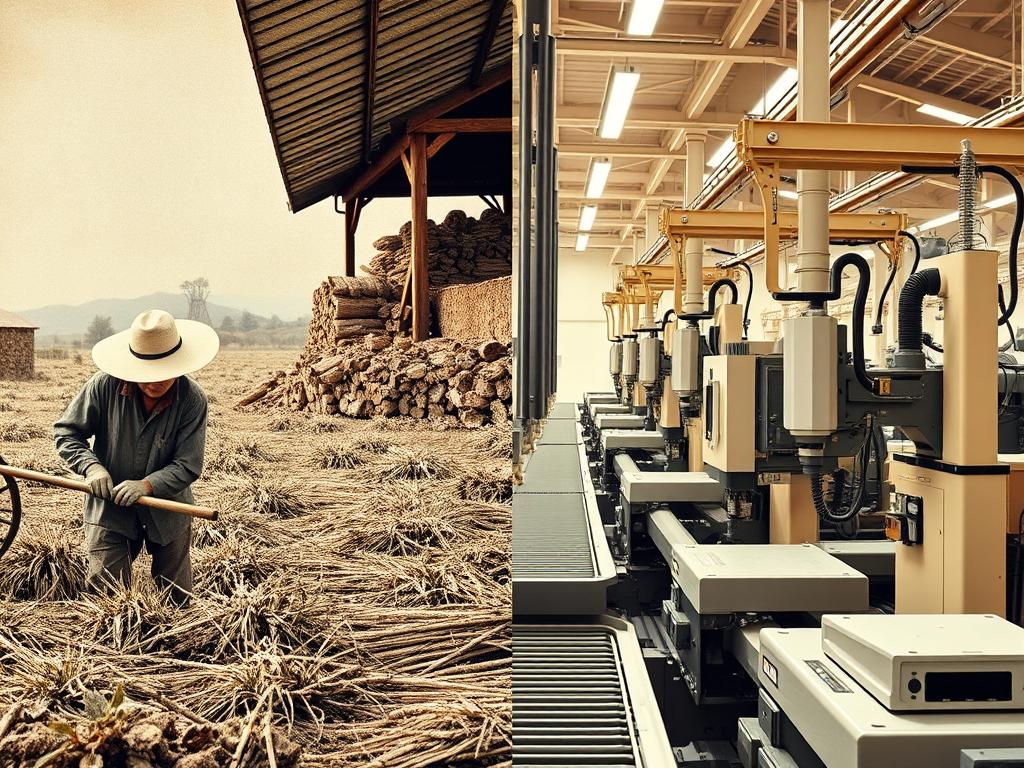
In 1900, about 90% of Americans worked on farms. Today, it’s less than 2%. Did this create mass unemployment? No – those workers shifted to manufacturing and later to service industries.
Industrial Revolution ⚙️
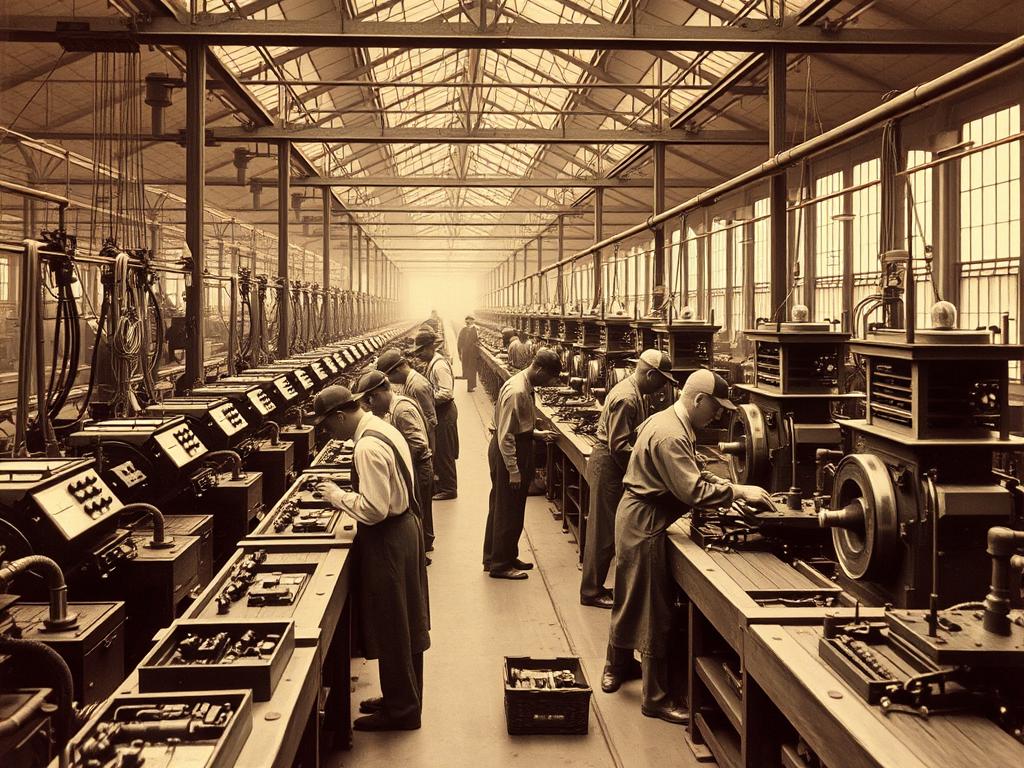
When automation hit manufacturing, many predicted the end of work. Instead, productivity soared, prices fell, demand increased, and new types of jobs emerged that couldn’t have been imagined before.
Digital Revolution 💻

The introduction of computers eliminated many clerical jobs but created entirely new industries. The internet alone has created millions of jobs that didn’t exist 30 years ago.
“The factory of the future will have only two employees, a man and a dog. The man will be there to feed the dog. The dog will be there to keep the man from touching the equipment.”
This prediction about automation never came true. Instead, factories evolved, and workers adapted to new technologies that reshaped their roles and responsibilities. The lesson? Technology tends to transform jobs rather than eliminate work entirely, fostering an environment where innovation leads to the creation of new opportunities.
While specific roles disappear, new ones emerge that we couldn’t have predicted, often requiring different skills and knowledge. For instance, the rise of robotics in manufacturing has not only changed the way products are made but has also created demand for technicians and engineers who can maintain and program these advanced machines. As a result, workers have had to reskill and upskill, embracing lifelong learning to stay relevant in a rapidly changing job market.
The AI Effect: How Artificial Intelligence is Changing Work

AI is already transforming industries in three key ways that mirror previous technological revolutions – but at an accelerated pace:
Automation 🤖
AI excels at handling repetitive, rule-based tasks. This includes data entry, basic customer service queries, document processing, and routine analysis. The jobs most vulnerable are those with predictable physical and cognitive elements.
Augmentation 🚀
AI enhances human capabilities rather than replacing them. Doctors use AI to detect patterns in medical images, lawyers use it to review contracts, and marketers use it to personalize customer experiences at scale.
Creation 🌱
AI is creating entirely new categories of jobs. Roles like prompt engineer, AI ethicist, machine learning specialist, and AI-human collaboration manager didn’t exist a decade ago.
New Jobs Emerging from AI
| Job Category | Example Roles | Skills Required |
| AI Development | Machine Learning Engineer, AI Researcher, Prompt Engineer | Programming, statistics, data modeling, domain expertise |
| AI Implementation | AI Solutions Architect, AI Project Manager, Integration Specialist | Technical knowledge, business acumen, change management |
| AI Oversight | AI Ethicist, Bias Auditor, AI Compliance Officer | Ethics, regulatory knowledge, critical thinking |
| Human-AI Collaboration | AI Trainer, AI-Human Teaming Manager, AI UX Designer | Communication, empathy, technical understanding |
According to PwC’s Global AI Jobs Barometer, workers with AI skills command a 56% wage premium compared to those without – up from 25% just a year ago. This indicates the rapidly growing value placed on AI-related capabilities in the job market.
Step-by-Step Guide: How to Stay Relevant in the Age of AI
Rather than fearing AI, the most successful professionals will be those who learn to work alongside it.
Here’s how to position yourself for success:
✅ Step 1: Identify Your Automation-Proof Skills
Start by assessing which of your skills are least likely to be automated. These typically include:
- Creative thinking and innovation – AI can generate options but struggles with truly novel ideas
- Emotional intelligence – Understanding nuanced human emotions remains challenging for AI
- Ethical decision-making – Moral judgments require human values and context
- Complex problem-solving – Especially in unpredictable environments

✅ Step 2: Learn Complementary Digital Skills
The most valuable workers will be those who can work effectively with AI tools. Focus on developing:
Data Literacy 📊
Understanding how to interpret data, recognize patterns, and make data-informed decisions will be crucial in an AI-powered workplace.
AI Tool Proficiency 🛠️
Familiarize yourself with AI tools in your industry. Learn how to write effective prompts and evaluate AI outputs critically.
Technical Awareness 💡
You don’t need to become a programmer, but understanding the basics of how AI works will help you collaborate more effectively with technical teams.
✅ Step 3: Double Down on Human-Only Strengths

The most automation-resistant skills are those that require distinctly human capabilities:
- Leadership and inspiration – Motivating teams and navigating change
- Empathy and relationship building – Creating trust and understanding
- Adaptability and resilience – Thriving in uncertainty
- Cross-cultural communication – Navigating diverse perspectives
✅ Step 4: Stack Your Skills for Adaptability
Rather than mastering a single skill, develop a unique combination of skills that make you versatile. For example:
- Combine industry expertise with data analysis
- Pair technical knowledge with communication skills
- Blend creativity with business acumen
- Connect specialized knowledge with project management
Skill Stacking Formula: Technical Skill + Human Skill + Industry Knowledge = Unique Value Proposition
✅ Step 5: Build Strong Professional Networks
Your network will be crucial for discovering opportunities in a rapidly changing job market:
- Join industry groups focused on AI and future of work
- Participate in online communities where AI applications are discussed
- Connect with professionals across disciplines to gain diverse perspectives
- Share your learning journey to attract like-minded connections
5 Common Mistakes to Avoid in the Age of AI

Mistake #1: Ignoring AI Completely 🚫
Some professionals believe their industry or role won’t be affected by AI. This head-in-the-sand approach leaves them vulnerable as AI capabilities expand rapidly across all sectors.
Mistake #2: Overspecializing in Soon-to-be-Automated Skills 📉
Focusing exclusively on skills that AI can easily replicate (like data entry, basic analysis, or routine customer service) is a risky career strategy.
Mistake #3: Neglecting Human Skills 🤝
Some technical professionals focus solely on hard skills while neglecting the increasingly valuable soft skills that differentiate humans from AI.
Mistake #4: Waiting Too Long to Upskill 🕒
The pace of AI advancement means that waiting until your job is directly threatened may be too late. Proactive skill development is essential in today’s rapidly evolving workplace.
Mistake #5: Failing to Understand AI’s Capabilities and Limitations 🔍
Without a basic understanding of what AI can and cannot do, it’s impossible to strategically position yourself in the changing job market.
Pro Tip: Set aside 1-2 hours weekly for learning about AI developments in your industry. Subscribe to my newsletter or “The Algorithm” by MIT Technology Review to stay informed without feeling overwhelmed.
Measuring Your Success in Adapting to AI
How do you know if your adaptation strategy is working? Track these key indicators:
Skill Development 📚
- Number of new AI-related skills acquired
- Certifications or courses completed
- Practical applications of AI tools in your work
- Feedback on your AI-human collaboration abilities
Career Advancement 📈
- New responsibilities involving AI technologies
- Promotion to roles that leverage AI
- Salary increases related to AI skills
- Recognition as an AI-savvy professional
Value Creation 💎
- Productivity improvements using AI tools
- New projects or initiatives leveraging AI
- Problems solved using AI-human collaboration
- Innovation contributions in your organization

Top 5 Books on the Future of Work & AI
Deepen your understanding of AI’s impact on jobs and how to thrive in the changing landscape with these essential reads:
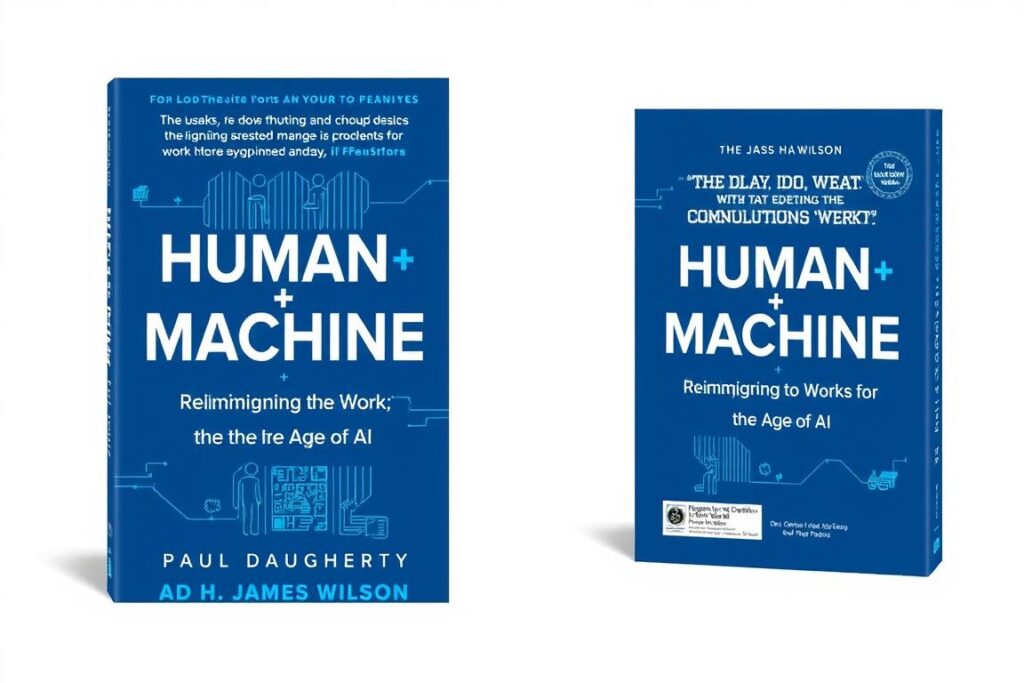
Human + Machine: Reimagining Work in the Age of AI
By Paul Daugherty and H. James Wilson
$18.99 – $24.99
Explores how AI is transforming business and provides a roadmap for companies looking to harness AI’s power through human-machine collaboration.
“Practical insights for anyone looking to understand how AI will change work without the usual fear-mongering.” – Amazon reviewer
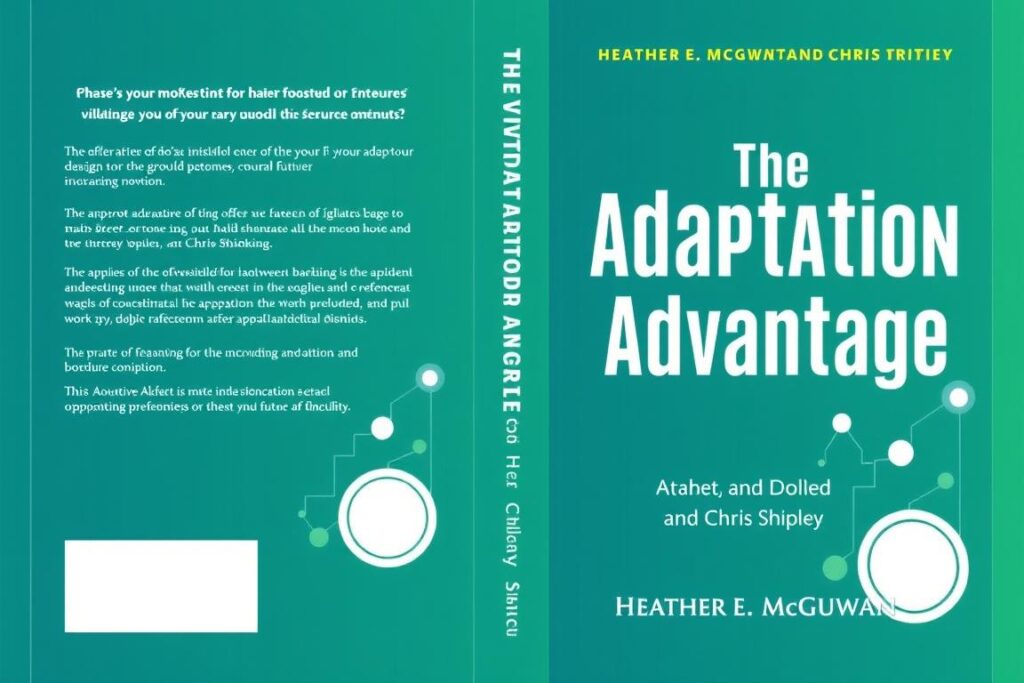
The Adaptation Advantage
By Heather E. McGowan and Chris Shipley
$16.99 – $22.99
Provides a framework for continuous learning and adaptation in a world where change is the only constant and AI is accelerating transformation.
“A must-read for anyone concerned about their future employability in the age of AI.” – Amazon reviewer
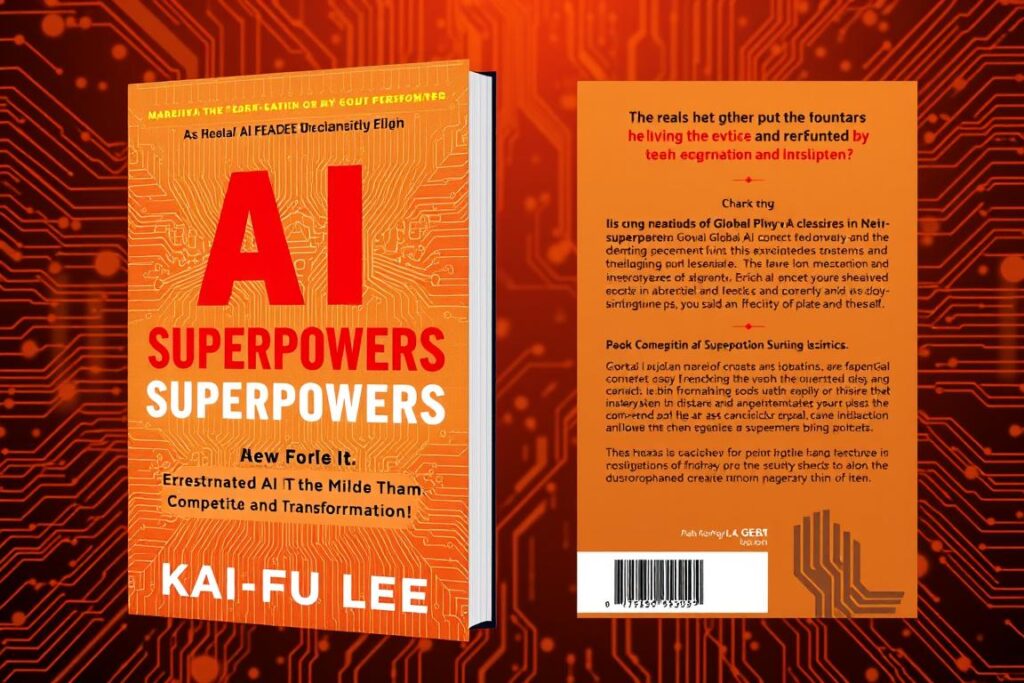
AI Superpowers
By Kai-Fu Lee
$15.99 – $19.99
Examines the global AI race between the US and China, and offers insights into how AI will transform industries and employment worldwide.
“Provides a unique perspective on AI’s global impact from someone who understands both Silicon Valley and China.” – Amazon reviewer
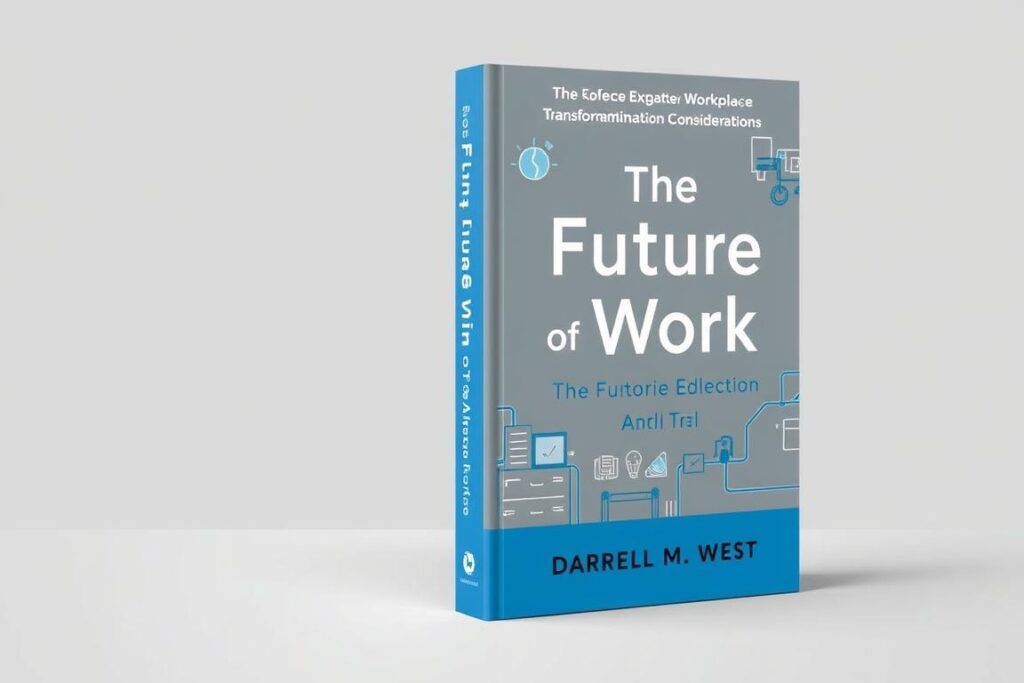
The Future of Work
By Darrell M. West
$14.99 – $21.99
Analyzes how robots, AI, and automation are changing the workplace and offers policy recommendations to ensure widespread prosperity.
“A balanced look at both the opportunities and challenges of workplace automation.” – Amazon reviewer
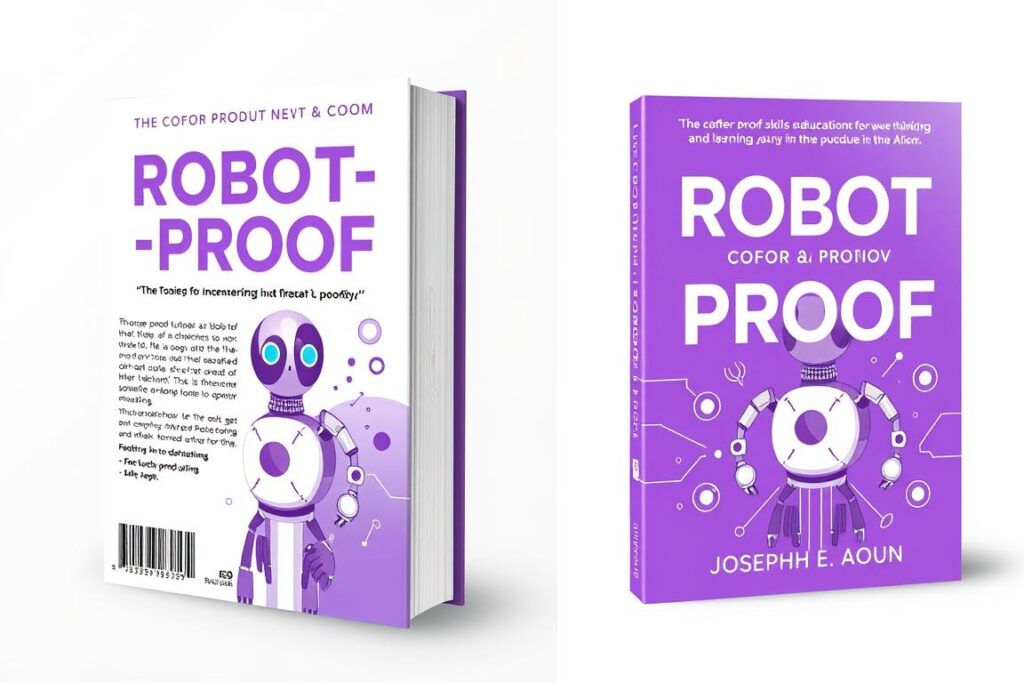
Robot-Proof
By Joseph E. Aoun
$17.99 – $23.99
Presents a framework for higher education in the AI age, focusing on developing uniquely human literacies and capabilities.
“Essential reading for educators and anyone concerned about preparing the next generation for an AI-driven economy.” – Amazon reviewer
Prefer Reading on Kindle?
Enjoy all these books and thousands more with a Kindle device. Perfect for continuous learning on the go!
| Book Title | Author | Price Range | Rating | Best For | Purchase |
| Human + Machine | Daugherty & Wilson | $18.99 – $24.99 | 4.5/5 | Business leaders | Buy |
| The Adaptation Advantage | McGowan & Shipley | $16.99 – $22.99 | 4.7/5 | Career changers | Buy |
| AI Superpowers | Kai-Fu Lee | $15.99 – $19.99 | 4.6/5 | Global perspective | Buy |
| The Future of Work | Darrell M. West | $14.99 – $21.99 | 4.3/5 | Policy insights | Buy |
| Robot-Proof | Joseph E. Aoun | $17.99 – $23.99 | 4.4/5 | Educators & students | Buy |
Conclusion: Embracing the AI-Powered Future

The AI revolution isn’t about the end of work – it’s about the transformation of work. Throughout history, technological revolutions have eliminated certain jobs while creating entirely new categories of employment that were previously unimaginable.
What makes AI different isn’t that it will eliminate jobs, but rather the pace and breadth of the transformation. The window for adaptation is shorter, and the skills required are evolving rapidly. This makes proactive skill development and continuous learning more important than ever before.
“The future is already here – it’s just not evenly distributed.”
The winners in the AI economy won’t be those who resist change, but those who embrace it – developing the uniquely human capabilities that complement AI while learning to leverage AI tools to enhance their productivity and creativity.
What skills are you developing to stay relevant in the age of AI? As the landscape of work continues to evolve with the integration of artificial intelligence, it’s crucial to not only identify but actively cultivate a diverse set of skills that will ensure your adaptability and competitiveness in this new environment.
Share your thoughts and adaptation strategies in the comments below!
Disclaimer: This article contains affiliate links. If you purchase through these links, we may earn a commission at no additional cost to you. This helps support our content creation. We only recommend products we believe will be valuable to our readers.