

Why Interview Preparation Matters
Most interviews are won or lost before you even shake hands with the interviewer. Thorough preparation doesn’t just help you answer questions better—it fundamentally changes how you carry yourself. When you’ve done your homework, researched the company, and practiced your responses, you project confidence that interviewers can sense immediately. Think of interview preparation as building your professional armor. Each piece of research, each practice session, each question you anticipate adds another layer of protection against nervousness and uncertainty. The most successful candidates aren’t necessarily the most qualified—they’re the ones who prepared most effectively.
The Step-by-Step Guide to Preparing for an Interview
✅ Step 1: Research the Company & Role
Thorough research shows interviewers you’re serious about the position. Start by exploring the company’s website, focusing on their mission statement, values, and recent news. Check their social media profiles to understand their culture and voice. Look up the company on business news sites to learn about recent developments, challenges, and achievements.
- Study the company’s mission, vision, and values
- Review recent press releases and news articles
- Understand their products or services and target market
- Research their competitors and industry position
- Look up your interviewers on LinkedIn if possible

✅ Step 2: Practice Answering Common and Behavioral Questions
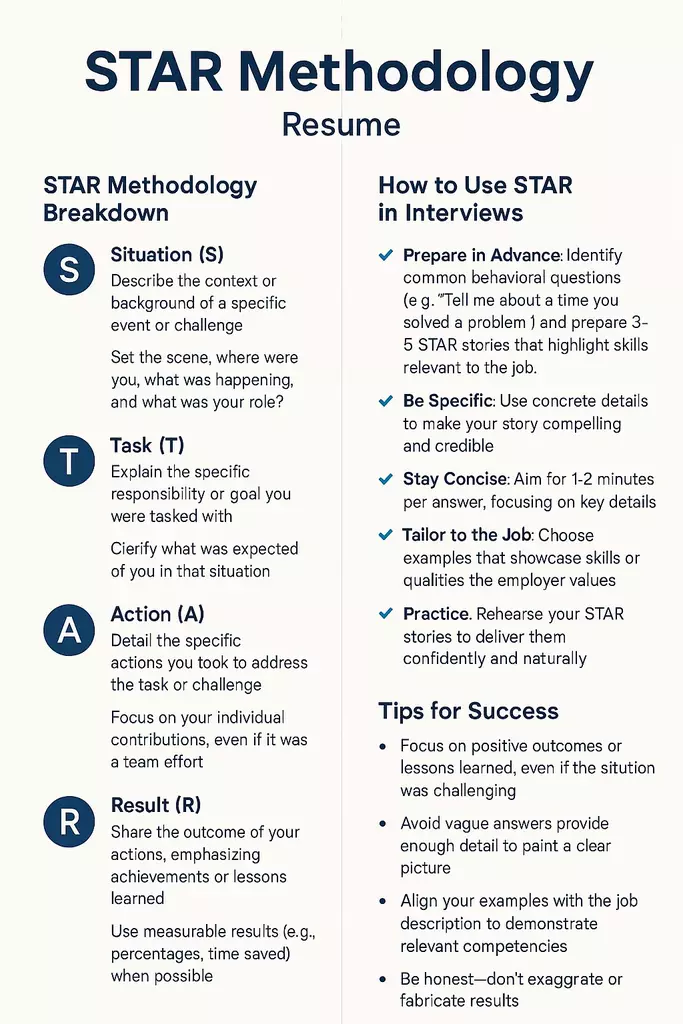
The STAR method (Situation, Task, Action, Result) is your secret weapon for behavioral questions. This structured approach helps you tell compelling stories about your past experiences that demonstrate your skills and qualities.
| Common Question Type | Example | How to Prepare |
| Background | “Tell me about yourself.” | Prepare a 1-2 minute summary focusing on relevant experience. |
| Behavioral | “Describe a time you handled a difficult situation.” | Use the STAR method to structure your response. |
| Situational | “How would you handle a disagreement with a team member?” | Draw from past experiences or explain your approach step-by-step. |
| Technical | “How would you solve this problem?” | Practice explaining your thought process clearly. |
The STAR method helps you structure your answers to behavioral questions: Situation (set the scene), Task (describe your responsibility), Action (explain what you did), Result (share the outcome).
✅ Step 3: Prepare Smart Questions to Ask the Interviewer
Asking thoughtful questions demonstrates your interest in the role and helps you determine if the position is right for you. Prepare at least 3-5 questions that show you’ve done your research and are thinking critically about the role.
- What does success look like in this role during the first 90 days?
- How would you describe the team culture and working environment?
- What are the biggest challenges facing the department/company right now?
- How does this position contribute to the company’s overall goals?
- What opportunities for professional development are available?
✅ Step 4: Master Body Language, Tone of Voice, and First Impressions
Your nonverbal communication speaks volumes. Practice maintaining good posture, appropriate eye contact, and a confident (but not overpowering) handshake. Record yourself answering practice questions to review your tone, pace, and body language.
Do:
- Sit up straight with shoulders back
- Make consistent eye contact
- Use natural hand gestures
- Speak clearly and at a moderate pace
- Smile genuinely when appropriate
Don’t:
- Fidget or play with objects
- Cross your arms defensively
- Speak too quickly or mumble
- Interrupt the interviewer
- Check your phone or watch

✅ Step 5: Use AI-Powered Mock Interview Practice
Traditional interview preparation is valuable, but AI-powered tools can take your readiness to the next level. These platforms simulate real interview experiences, provide instant feedback, and help you refine your answers through repeated practice.

AI Tools to Level Up Your Interview Skills 🚀
Huru.ai: Your AI Interview Coach
Huru.ai uses advanced AI to simulate real interviews, analyze your responses, and provide personalized feedback to help you improve. With Huru.ai, you can:
- Practice with industry-specific interview questions
- Receive instant feedback on your answers, delivery, and body language
- Track your progress and identify areas for improvement
- Practice anytime, anywhere, as many times as you need
- Build confidence through repeated realistic interview simulations
“Using Huru.ai for just one week helped me identify and fix weaknesses in my interview responses that I never would have caught on my own. I went into my interview feeling prepared and confident.”
5 Common Interview Preparation Mistakes to Avoid 📌
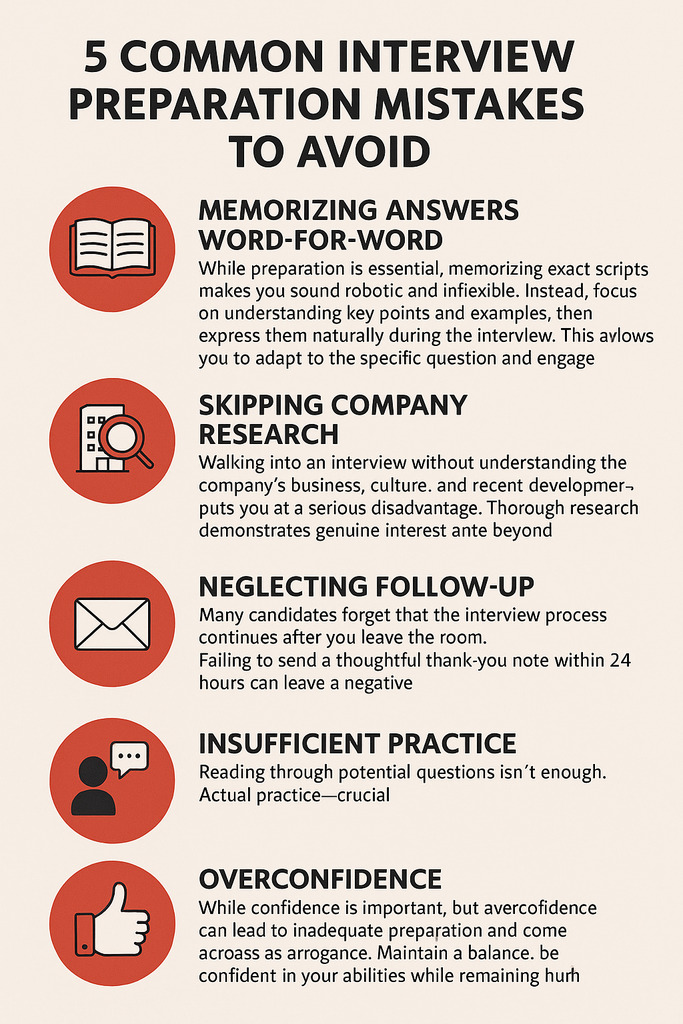
1. Memorizing Answers Word-for-Word
While preparation is essential, memorizing exact scripts makes you sound robotic and inflexible, which can detract from your overall presentation. Instead, focus on understanding key points and examples that are relevant to the position you are applying for, then express them naturally during the interview. This approach not only helps you retain information better but also allows you to respond more dynamically to follow-up questions. By internalizing the concepts rather than rote memorization, you can adapt to the specific question and engage more authentically, demonstrating your critical thinking and problem-solving abilities. Additionally, this method enables you to showcase your personality and communication style, which are vital aspects that interviewers look for in potential candidates.
2. Skipping Company Research
Walking into an interview without understanding the company’s business, culture, and recent developments puts you at a serious disadvantage. Thorough research demonstrates genuine interest and helps you tailor your answers to show how you’d add value to their specific organization. This means going beyond just the basics; you should familiarize yourself with the company’s mission statement, core values, and recent achievements or challenges. By doing so, you can align your skills and experiences with their goals, making your responses more relevant and impactful. Furthermore, understanding the company’s culture can help you gauge whether you’d be a good fit, allowing you to frame your answers in a way that resonates with the interviewers. Being able to reference specific projects or initiatives during the interview not only shows that you’ve done your homework but also positions you as a proactive candidate who is genuinely interested in contributing to their success.Many candidates forget that the interview process continues after you leave the room. Failing to send a thoughtful thank-you note within 24 hours can leave a negative impression. A well-crafted note not only shows your appreciation for the opportunity but also reinforces your interest in the position and the company. It can serve as a chance to clarify any points you may have felt were unclear during the interview, allowing you to strengthen your case as a candidate. Additionally, this gesture can help you stand out among other applicants, as it reflects professionalism and good etiquette. Use this opportunity to express gratitude, reiterate your interest, and address any points you missed during the interview.
3. Neglecting Follow-Up
Many candidates forget that the interview process continues after you leave the room. Failing to send a thoughtful thank-you note within 24 hours can leave a negative impression. A well-crafted note not only shows your appreciation for the opportunity but also reinforces your interest in the position and the company. It can serve as a chance to clarify any points you may have felt were unclear during the interview, allowing you to strengthen your case as a candidate. Additionally, this gesture can help you stand out among other applicants, as it reflects professionalism and good etiquette. Use this opportunity to express gratitude, reiterate your interest, and address any points you missed during the interview.
4. Insufficient Practice
Reading through potential questions isn’t enough. Actual practice—speaking your answers aloud, ideally in mock interview conditions—is crucial for building muscle memory and confidence. Engaging in simulated interviews with friends or mentors can provide valuable insights and help you become more comfortable with your responses. Additionally, recording yourself can allow you to evaluate your body language and tone, which are vital during an interview. Tools like Huru.ai can provide realistic practice environments with feedback, allowing you to identify areas for improvement and adjust your answers accordingly. This comprehensive approach to practice not only enhances your performance but also boosts your self-assurance, ensuring you present your best self during the actual interview.
5. Overconfidence
While confidence is important, overconfidence can lead to inadequate preparation and come across as arrogance. It is essential to recognize that confidence should stem from a genuine understanding of your skills and experiences, rather than a superficial belief in your abilities. Overconfident candidates may overlook critical aspects of their preparation, such as researching the company or practicing their responses, which can ultimately hinder their performance. Therefore, maintain a balance: be confident in your abilities while remaining humble and demonstrating a willingness to learn and grow. This balance not only helps you present yourself authentically but also fosters a positive impression on interviewers, who appreciate candidates that show both self-assurance and a readiness to adapt and improve.
Top 3 Books on Interview Preparation
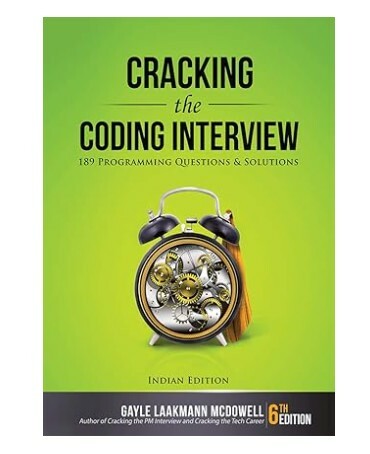
Cracking the Coding Interview
By Gayle Laakmann McDowell
Price: $25-35
The definitive guide for technical interviews, featuring 189 programming questions and solutions. Essential for software engineers and developers.
“This book completely changed how I approach technical interviews. The strategies work!” – Amazon reviewer
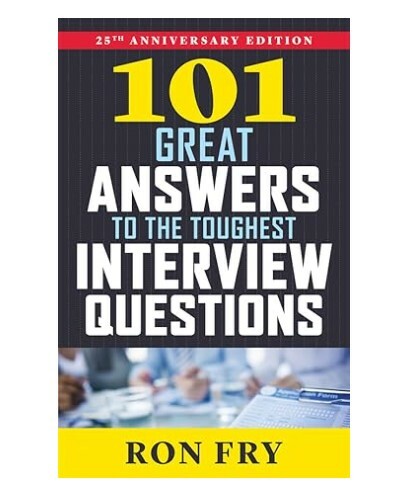
101 Great Answers to the Toughest Interview Questions
By Ron Fry
Price: $10-15
Practical strategies for answering challenging questions with confidence. Covers traditional, behavioral, and situational questions.
“Helped me prepare for questions I never would have anticipated. Highly recommend!” – Amazon reviewer
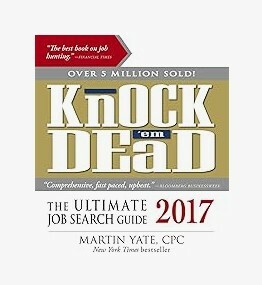
Knock ’em Dead: The Ultimate Job Search Guide
By Martin Yate
Price: $15-20
Comprehensive guide covering the entire job search process, with excellent sections on interview preparation and salary negotiation.
“This book helped me land three job offers after being unemployed for months!” – Amazon reviewer
Your Complete Interview Preparation Checklist
Before the Interview
- Research the company thoroughly 📌
- Study the job description and identify key requirements
- Practice answers to common questions
- Prepare your STAR method stories
- Research your interviewers on LinkedIn
- Prepare thoughtful questions to ask
- Practice with AI tools like Huru.ai
Day of the Interview
- Dress professionally and appropriately
- Arrive 10-15 minutes early
- Bring extra copies of your resume
- Bring a notepad and pen
- Turn off your phone
- Be courteous to everyone you meet
- Send a thank-you email within 24 hours
Ready to Ace Your Next Interview?
Interview preparation isn’t just about having the right answers—it’s about building the confidence to present your best self. Thorough preparation allows you to familiarize yourself with the company, the role, and potential interview questions, which in turn can significantly alleviate anxiety. By following the steps in this guide and leveraging tools like Huru.ai, which helps you refine your responses and practice effectively, you can walk into your next interview feeling prepared, confident, and ready to impress. This not only enhances your performance but also leaves a lasting positive impression on your interviewers, showcasing your dedication and professionalism.
“Success is where preparation and opportunity meet.” – Bobby Unser
Disclosure: This post contains affiliate links. We may earn a commission at no extra cost to you.