


You’re not alone. According to a recent Gallup poll, 48% of American workers experience some level of job insecurity, with 21% reporting “significant anxiety” about potentially losing their position. This fear has only intensified in our post-pandemic economy, where remote work, AI advancements, and economic fluctuations have reshaped the employment landscape.
In this guide, we’ll explore why the fear of being fired is so common, how it impacts your performance and wellbeing, and most importantly, provide you with practical, actionable strategies to overcome this anxiety and thrive in your career.
Why Fear of Being Fired Is So Common in Today’s Workplace
The modern workplace is characterized by unprecedented levels of change and uncertainty. Several factors contribute to why so many of us experience the fear of job loss:
- Economic volatility: Recessions, market shifts, and industry disruptions create genuine job insecurity
- Corporate restructuring: Mergers, acquisitions, and organizational changes often lead to workforce reductions
- Technological disruption: Automation and AI are transforming job requirements and eliminating certain roles
- Remote work transition: Less face-to-face interaction can increase feelings of disconnection and uncertainty
- Performance pressure: Increasing demands for productivity and results create stress about meeting expectations
What makes this fear particularly challenging is that it can affect anyone—from new hires to seasoned executives. Even high performers aren’t immune, as excellence doesn’t guarantee job security in volatile times. The fear of being fired is like walking on thin ice—each step feels precarious, and you’re constantly bracing for a fall. But just as explorers develop tools and techniques to safely traverse frozen lakes, you can learn strategies to navigate workplace uncertainty with confidence.
🧠 Understanding the Psychology of Job Insecurity
Before we can effectively address the fear of being fired, it’s important to understand what’s happening in your brain and body when this anxiety takes hold.
Fight or Flight at Work
When you fear losing your job, your brain’s threat-detection system—the amygdala—activates your body’s stress response. This triggers a cascade of physiological changes: increased heart rate, shallow breathing, and a flood of stress hormones like cortisol and adrenaline. This response was evolutionarily designed for physical threats (like predators), not modern workplace challenges. When chronically activated, it impairs the very cognitive functions you need most at work: creative thinking, problem-solving, and emotional regulation.

💼 Signs You’re Experiencing Job Insecurity
The fear of getting fired often manifests in specific behavioral patterns. Recognizing these signs is the first step toward addressing them:
- Overworking: Staying late, skipping breaks, working weekends
- People-pleasing: Saying yes to everything, avoiding necessary conflicts
- Perfectionism: Obsessing over minor details, fear of making any mistakes
- Isolation: Withdrawing from colleagues, avoiding team activities
- Hypervigilance: Constantly scanning for threats in emails or conversations
- Procrastination: Paradoxically avoiding tasks due to fear of failure
- Rumination: Mentally replaying interactions, looking for signs of disapproval
- Physical symptoms: Sleep disturbances, headaches, digestive issues
⚡ Impact on Mental Health and Performance
The fear of being fired creates a destructive cycle that can seriously undermine both your wellbeing and your work quality:
“Fear is just excitement without breath. Breathe, and move forward.”
This quote highlights an important truth: the physical sensations of fear and excitement are remarkably similar. By changing how you interpret and respond to these sensations, you can transform paralyzing anxiety into motivating energy.
Step-by-Step Guide to Overcoming the Fear of Being Fired
Now that we understand the psychology behind job insecurity, let’s explore practical strategies to address and overcome this fear.
✅ Step 1: Separate Perception from Reality
Our fears often distort our perception of reality. The first step is to gather objective information about your actual job security:
- Request feedback: Schedule a meeting with your manager to discuss your performance and areas for improvement
- Clarify expectations: Ensure you understand what success looks like in your role
- Document achievements: Keep a record of your contributions and positive feedback
- Assess company health: Research your organization’s financial stability and industry position
STORY: Sarah, a marketing manager, was convinced her new director was planning to replace her after several project timelines were adjusted. Rather than spiraling in anxiety, she requested a coffee meeting to align on priorities. She discovered her director actually valued her work but had different communication preferences. This simple conversation transformed her fear into a productive working relationship.
✅ Step 2: Strengthen Your Skills and Value
One of the most effective antidotes to fear is preparation. By continuously developing your skills, you build both actual job security and confidence:
- Identify high-value skills: Research which capabilities are most in-demand in your field
- Create a learning plan: Set aside regular time for professional development
- Seek stretch assignments: Volunteer for projects that build new competencies
- Track industry trends: Stay informed about changes that might affect your role
- Quantify your impact: Measure and document how your work contributes to business goals
✅ Step 3: Build Financial Resilience
Much of the fear around job loss relates to financial security. Creating a financial safety net can significantly reduce anxiety:
- Emergency fund: Aim to save 3-6 months of essential expenses
- Reduce unnecessary expenses: Identify areas where you can cut back
- Explore additional income streams: Consider freelance work or passive income options
- Understand your benefits: Know what severance or unemployment benefits you’d be eligible for
- Keep your resume updated: Maintain a current version even when not actively job hunting
- Research salary benchmarks: Know your market value for negotiation or job changes

✅ Step 4: Nurture Professional Relationships
Your professional network can be both a source of emotional support and a safety net if you do need to find new opportunities:
- Maintain internal relationships: Build connections across departments and levels
- Engage with industry peers: Attend events, participate in online communities
- Find a mentor: Seek guidance from someone with more experience in your field
- Offer support to others: Networking works best when it’s reciprocal
Mark, a software developer, invested time in attending industry meetups and maintaining relationships with former colleagues even when he felt secure in his position. When his company unexpectedly announced layoffs, these connections helped him secure three interviews within a week, significantly reducing his period of unemployment and associated anxiety.
✅ Step 5: Focus on Value Creation
Shifting your mindset from “keeping your job” to “creating value” can transform both your performance and your confidence:
- Identify pain points: Look for problems you can help solve
- Take initiative: Propose solutions rather than waiting for direction
- Align with priorities: Ensure your efforts support key business objectives
- Communicate contributions: Share your accomplishments appropriately
- Seek feedback: Regularly ask how you can add more value

✅ Step 6: Take Care of Your Mental Health
Managing the fear of being fired requires attention to your overall mental wellbeing:
- Practice mindfulness: Learn techniques to stay present rather than catastrophizing
- Establish boundaries: Create clear separation between work and personal life
- Develop healthy coping mechanisms: Exercise, journaling, or creative outlets
- Consider professional support: Therapy can provide valuable tools for managing anxiety
- Build a support system: Connect with others who understand your challenges
5 Common Mistakes to Avoid When Dealing with Fear of Being Fired

Mistakes to Avoid
- Staying silent: Avoiding conversations about performance or expectations only increases uncertainty
- Overworking without strategy: Working longer hours without focusing on high-value activities leads to burnout without improving job security
- Ignoring mental health: Pushing through anxiety without addressing it damages both wellbeing and performance
- Avoiding networking: Waiting until you’re in crisis to build professional relationships limits your options
- Treating fear as permanent: Viewing job insecurity as an unchangeable state rather than a challenge you can address
Job insecurity is like quicksand—the more you struggle against it without strategy, the deeper you sink. The key is to find solid ground through preparation, perspective, and purposeful action.
Tools, Books & Resources to Build Career Resilience
These carefully selected resources can help you develop the mindset and skills to overcome the fear of being fired and build lasting career resilience.
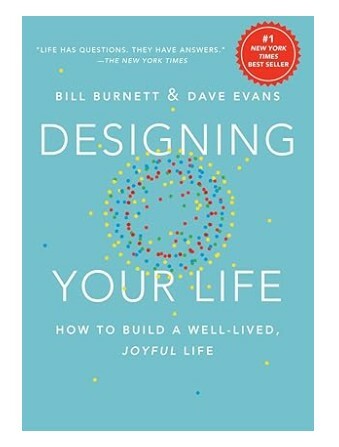
Designing Your Life
By Bill Burnett & Dave Evans
Price: $14.99 – $24.99
This practical guide applies design thinking principles to career development, helping you create multiple “life plans” that increase your resilience to workplace changes.
“This book transformed how I think about career setbacks. Instead of fearing failure, I now see it as valuable data for my next move.” – Amazon reviewer

Mindset: The New Psychology of Success
By Carol Dweck
Price: $11.99 – $17.00
Discover how developing a growth mindset can transform your approach to workplace challenges and setbacks, including the fear of being fired.
“Dweck’s research on fixed vs. growth mindset completely changed how I handle feedback at work. Must-read for anyone with career anxiety.” – Amazon reviewer

Fearless and Free
By Wendy Sachs
Price: $12.99 – $19.95
This practical guide offers strategies for navigating career uncertainty and building resilience in today’s volatile workplace, with special focus on overcoming fear.
“After reading this book, I stopped seeing myself as ‘just an employee’ and started thinking like an entrepreneur within my company.” – Amazon reviewer
| Resource | Price Range | Best For | Format Options | Rating |
| Designing Your Life | $14.99 – $24.99 | Career transitions, long-term planning | Hardcover, Paperback, Kindle, Audiobook | 4.6/5 |
| Mindset | $11.99 – $17.00 | Handling feedback, building resilience | Paperback, Kindle, Audiobook | 4.7/5 |
| Fearless and Free | $12.99 – $19.95 | Women in competitive workplaces | Hardcover, Kindle, Audiobook | 4.5/5 |
Your Action Plan: Overcoming the Fear of Being Fired
Here’s a practical checklist to help you take control of your career anxiety and build lasting resilience:
- This week: Schedule a feedback conversation with your manager
- This week: Start documenting your achievements and positive feedback
- This month: Update your resume and LinkedIn profile
- This month: Identify one high-value skill to develop and find a learning resource
- This month: Review your financial situation and start building an emergency fund
- Ongoing: Practice mindfulness techniques when anxiety arises
- Ongoing: Reach out to one professional contact each week to maintain your network
- Ongoing: Focus on creating measurable value in your current role
- If needed: Consider speaking with a therapist about persistent anxiety
Remember: The fear of being fired is a common experience that doesn’t reflect your actual value or capabilities. By taking proactive steps, you can transform this fear from a paralyzing force into motivation for growth and preparation.
Frequently Asked Questions About Fear of Being Fired
How can I tell if my fear of being fired is justified or just anxiety?
Look for concrete evidence rather than relying on feelings. Have you received negative feedback about your performance? Has your company announced restructuring or layoffs? Are your responsibilities being reassigned? These are potential warning signs. However, if your fear is based primarily on interpretation of tone or body language without specific feedback, it may be anxiety rather than a real threat.
What should I do if I think my job is genuinely at risk?
First, don’t panic. Seek clarity by having a direct conversation with your manager about expectations and your standing. Then, create a two-track plan: work to address any performance issues while also preparing for a potential transition by updating your resume, activating your network, and starting a job search. This dual approach helps you maintain control regardless of the outcome.
How do I stop obsessing over small mistakes that might get me fired?
Perspective is key. Document positive feedback to balance your self-assessment. Ask yourself: “Would I fire someone for this mistake?” and “How would I advise a friend in this situation?” These questions help recalibrate your thinking. Also, develop a mistake recovery protocol: acknowledge the error, implement a solution, identify the lesson, and then move forward rather than ruminating.
Should I tell my manager about my fear of being fired?
This depends on your relationship and the workplace culture. Instead of directly expressing fear of termination, consider framing the conversation around seeking feedback: “I’d like to ensure my work is meeting expectations. Could we discuss how I’m doing and areas where I could improve?” This approach addresses your concerns while maintaining professionalism.

Conclusion: From Fear to Freedom
The fear of being fired can feel like a heavy weight that follows you from meeting to meeting, email to email, and even home at the end of the day. But as we’ve explored, this fear—while common and understandable—doesn’t have to define your work experience or limit your potential.
By separating perception from reality, building your skills and network, creating financial security, and caring for your mental health, you can transform workplace anxiety into career resilience. Remember that your value isn’t determined by a single job or role—it’s built on your unique combination of skills, experiences, and qualities that you carry with you throughout your career journey.
Take one small step today. Whether it’s scheduling that feedback conversation, updating your skills inventory, or simply practicing a mindfulness technique when anxiety arises, each action builds momentum toward greater confidence and control.
Your career isn’t defined by fear—it’s shaped by your growth, resilience, and the value you create. Breathe, and move forward.

Affiliate Disclaimer: This article contains affiliate links. If you make a purchase through these links, we may earn a small commission at no additional cost to you. These commissions help support our content creation efforts.