


The old proverb “It takes a village to raise a child” applies equally to career development. No one climbs the corporate ladder alone. Understanding the distinct roles that advisors, sponsors, and mentors play in your professional journey can be the difference between steady progress and remarkable advancement.
Why These Professional Relationships Matter 🤝
Career acceleration relies on three critical elements: guidance (advisors), advocacy (sponsors), and growth support (mentors). While your performance certainly matters, research consistently shows that career advancement depends heavily on who knows your work and supports your journey.
According to a Gallup survey, employees with either a mentor or sponsor are more than twice as likely to strongly agree that their organization provides a clear plan for their career development. They’re also twice as likely to be engaged at work and 98% more likely to recommend their organization as a great place to work.
Your network’s belief in your potential creates a self-fulfilling prophecy of success. When influential people invest in your growth, doors open that might otherwise remain closed.
Currently, only 40% of employees report having a mentor in the workplace, with sponsorship rates even lower at 23%. This represents both a challenge and an opportunity for ambitious professionals looking to accelerate their career growth.
Understanding the Three Key Roles
While people often use these terms interchangeably, advisors, mentors, and sponsors serve distinct functions in your career development. Let’s clarify what each role entails:
🧭 Advisor: Your Professional GPS
An advisor is someone who provides guidance and expertise on specific situations or challenges. They’re the person you turn to when you need specialized knowledge or perspective on a particular problem. Advisors typically offer discrete, situational advice rather than ongoing development support.
For example, you might seek an advisor’s input on a challenging project, a difficult decision, or a technical problem that requires specific expertise. The relationship is often short-term and focused on immediate needs.
🤝 Mentor: Your Career Coach
A mentor offers long-term development, feedback, and growth support. They share their knowledge and provide guidance to help you navigate your career path. A mentor relationship typically involves regular meetings and ongoing conversations about your professional development.
Mentors help you identify strengths and weaknesses, set goals, and develop the skills needed to advance. They serve as a mirror, allowing you to see yourself more clearly and articulate your aspirations.
🚀 Sponsor: Your Career Advocate
A sponsor actively advocates for you, using their influence to unlock opportunities. They’re in a position of power and actively promote your growth by providing access to opportunities and advocating for your career advancement.
As Carla Pearls wisely notes, “You might survive many years in an organization without a mentor, but it’ll be extremely challenging to move up without a sponsor.” Sponsors speak on your behalf in meetings you’re not part of and spend their political capital to help you advance.
| Aspect | Advisor | Mentor | Sponsor |
| Primary Function | Provides specific guidance | Develops skills and potential | Creates opportunities |
| Relationship Duration | Short-term, situational | Long-term, developmental | Ongoing, strategic |
| What You Share | Specific questions | Challenges and aspirations | Accomplishments and goals |
| Their Position | Subject matter expert | Experienced professional | Influential leader |

How Each Role Supports Your Career Growth
Advisors: Navigate Tricky Decisions
Advisors help you navigate specific challenges by providing expert guidance. They offer perspective based on their specialized knowledge and experience, helping you make informed decisions when facing complex situations.
When to seek an advisor: When you need specific expertise for a particular challenge, project, or decision.
For instance, if you’re preparing for a major presentation, an advisor with strong public speaking skills can offer valuable tips. If you’re considering a career pivot, an advisor who has made a similar transition can share insights about the process.
Mentors: Build Long-term Skills and Confidence
Mentors contribute to your overall professional development by helping you identify strengths, address weaknesses, and set meaningful career goals. They provide ongoing guidance and feedback that builds your confidence and capabilities over time.
When to seek a mentor: When you want to develop professionally over time and need guidance on your career path.
A good mentor helps you see the bigger picture of your career trajectory and provides both encouragement and constructive criticism. They serve as a sounding board for your ideas and help you navigate organizational politics and culture.
Sponsors: Unlock New Opportunities
Sponsors use their influence to create opportunities for your advancement. They put your name forward for promotions, high-visibility projects, and leadership roles. A sponsor believes in your potential and is willing to stake their reputation on your success.
When to seek a sponsor: When you’re ready to advance to the next level and need someone with influence to advocate for you.
According to research from the Gallup Center on Black Voices, employees with formal sponsors are 97% more likely to strongly agree their organization provides a clear plan for their career development compared to those with informal sponsors.

Step-by-Step Guide to Building These Relationships
Building effective relationships with advisors, mentors, and sponsors requires intention and strategy. Here’s how to approach each step of the process:
✅ Step 1: Map Your Network
Begin by identifying potential advisors, mentors, and sponsors within your existing network. Look for advisors among colleagues with specialized expertise, mentors among senior professionals whose career paths you admire, and potential sponsors among executives who have influence in your organization.
Create a simple spreadsheet or document listing these individuals, noting their strengths, areas of expertise, and how they might support your career goals.
✅ Step 2: Start with Genuine Curiosity
Approach relationship-building with authenticity rather than transactional intent. Start conversations with questions that demonstrate your interest in learning from their experience:
- “How did you navigate the transition from individual contributor to manager?”
- “What skills were most valuable in helping you succeed in this industry?”
- “What challenges did you face when taking on your current role?”
These questions show respect for their journey and create natural opportunities for ongoing conversation.
✅ Step 3: Ask the Right Questions
Tailor your requests based on the type of relationship you’re building:
- For advisors: “Would you be willing to review my presentation draft and provide feedback?”
- For mentors: “Could we meet monthly to discuss my development goals?”
- For sponsors: “I’m interested in the leadership program. Would you consider recommending me?”
Be specific about what you’re asking for and respectful of their time.
✅ Step 4: Maintain Reciprocity
All professional relationships should provide value to both parties. Look for ways to contribute to your advisors, mentors, and sponsors:
- Share relevant articles or resources
- Offer assistance on projects where your skills can help
- Express genuine gratitude through thank-you notes
- Provide updates on how you’ve implemented their advice
Remember that even senior leaders appreciate fresh perspectives and recognition for their guidance.
✅ Step 5: Diversify Your Circle
Avoid putting all your “career eggs” in one basket. Seek relationships with professionals from diverse backgrounds, industries, and levels of experience. This diversity provides you with a range of perspectives and creates redundancy in your support network.
Formal mentoring and sponsoring relationships often have greater impact than informal ones. Consider participating in structured programs within your organization or professional associations.

Common Mistakes to Avoid
⚠️ Relationship Pitfalls
- Treating relationships as transactional – Approaching potential mentors or sponsors only when you need something undermines trust and authenticity.
- Expecting one person to fill all roles – Your mentor may not have the influence to be your sponsor, and your sponsor may not have time for regular mentoring.
- Only engaging during crises – Building relationships should happen consistently, not just when you’re facing challenges.
- Being unclear about your goals – Without clear career objectives, even the most supportive mentor or sponsor can’t effectively help you.
- Failing to follow up or show gratitude – Not acknowledging advice or assistance can damage relationships and close doors to future support.
Remember that these relationships require nurturing over time. Regular check-ins, updates on your progress, and expressions of appreciation help maintain strong connections with your professional supporters.

Tools & Resources to Support Your Journey
These recommended books provide deeper insights into building effective professional relationships for career growth:

The Sponsor Effect
By Sylvia Ann Hewlett
Price: $18-25
Explores how sponsorship unlocks leadership opportunities and accelerates careers. Provides practical strategies for finding and securing sponsors.
Rating: ★★★★☆ (200+ reviews)

Never Eat Alone
By Keith Ferrazzi
Price: $15-20
Offers networking strategies for building meaningful connections. Teaches how to create and maintain relationships that benefit your career.
Rating: ★★★★★ (1,000+ reviews)
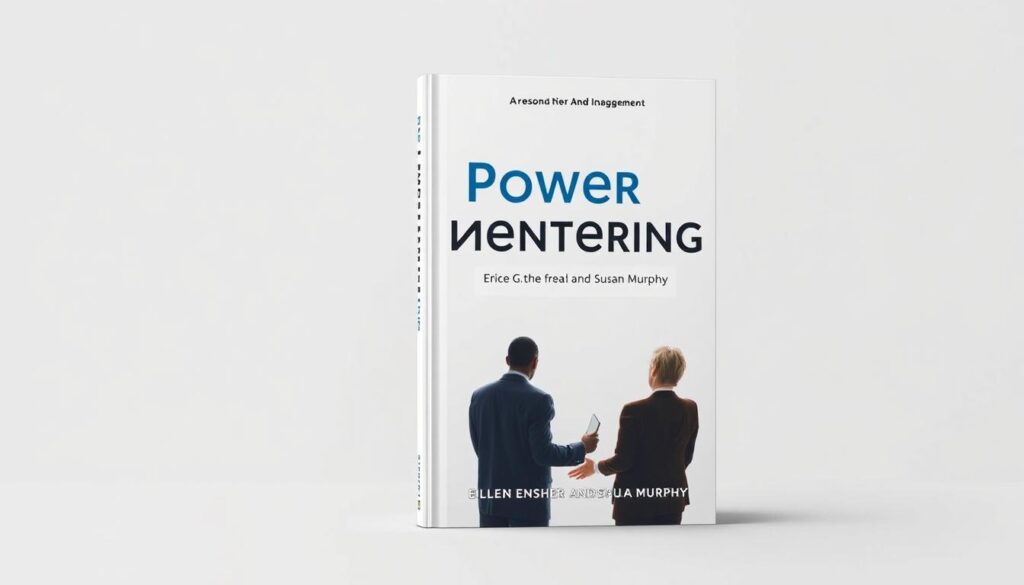
Power Mentoring
By Ellen Ensher & Susan Murphy
Price: $22-30
Examines successful mentoring relationships and provides a roadmap for finding and working with mentors who can transform your career.
Rating: ★★★★☆ (150+ reviews)
| Book | Focus Area | Price Range | Rating |
| The Sponsor Effect | Sponsorship | $18-25 | ★★★★☆ |
| Never Eat Alone | Networking | $15-20 | ★★★★★ |
| Power Mentoring | Mentorship | $22-30 | ★★★★☆ |
As an Amazon Associate, we earn from qualifying purchases.
Your Career Support Network Checklist
Use this checklist to build and maintain your professional support network:
- ✅ Identify at least 2 advisors for specific expertise areas
- ✅ Develop a relationship with 1 mentor for ongoing growth
- ✅ Target 1 potential sponsor who can advocate for your advancement
- ✅ Schedule quarterly check-ins with your mentor
- ✅ Keep your sponsor updated on your accomplishments
- ✅ Express gratitude to those who support your growth
- ✅ Look for opportunities to give back to your network
- ✅ Reassess your network annually as your career evolves

Conclusion: Building Your Career Support Team
Your career isn’t a solo journey—success accelerates when you have the right advisors, mentors, and sponsors in your corner. Each plays a distinct role in helping you navigate challenges, develop skills, and access opportunities that might otherwise remain out of reach.
If you want to go fast, go alone. If you want to go far, go together.
Start today by mapping your network and reaching out to one potential advisor this week. Ask thoughtful questions, be clear about your goals, and remember that these relationships should be mutually beneficial. With the right support team behind you, your career growth can exceed even your own expectations.
Ready to Accelerate Your Career Growth?
Start building your professional support network today with our recommended resources.