


The truth is, admitting uncertainty isn’t a sign of weakness—it can actually enhance your professional reputation when done correctly. This guide will show you how to transform those uncomfortable moments of not knowing into opportunities for growth, trust-building, and authentic leadership.
Saying “I don’t know” with confidence can actually build trust in professional environments
Why Saying “I Don’t Know” in Professional Settings Feels So Difficult
Our reluctance to admit knowledge gaps stems from several powerful factors that shape our professional behavior:
Cultural Expectations
From early education through our careers, we’re conditioned to equate knowledge with competence. Many workplace cultures reward quick answers over thoughtful consideration, creating pressure to always have a response ready.
Workplace Dynamics
In competitive environments, admitting uncertainty can feel risky. We worry about judgment from colleagues, missed promotion opportunities, or being perceived as unprepared—especially when others seem to have all the answers.
Personal Insecurities
Perfectionism and imposter syndrome make saying “I don’t know” particularly challenging. When we already question our belonging in professional spaces, acknowledging knowledge gaps can trigger deeper fears about our capabilities.

“The only true wisdom is in knowing you know nothing.” — Socrates
The Psychology Behind Our Fear of Uncertainty
🧠 Fight-or-Flight Response
When faced with potential social judgment, our brains can trigger the same stress response as physical threats. This biological reaction makes admitting uncertainty feel genuinely uncomfortable—your palms sweat, your heart races, and your mind scrambles for any answer, even if it’s not accurate.
💬 Fear of Judgment
We often catastrophize others’ reactions to our knowledge gaps. Research shows that while we imagine harsh judgment, most colleagues actually respect honesty. Like turning on a light in a dark room, admitting uncertainty illuminates the path to better solutions.
⚡ Impact on Communication
When fear prevents us from saying “I don’t know,” it creates cascading communication problems: misunderstandings multiply, teams work with incomplete information, and collaboration suffers as people hesitate to ask clarifying questions.
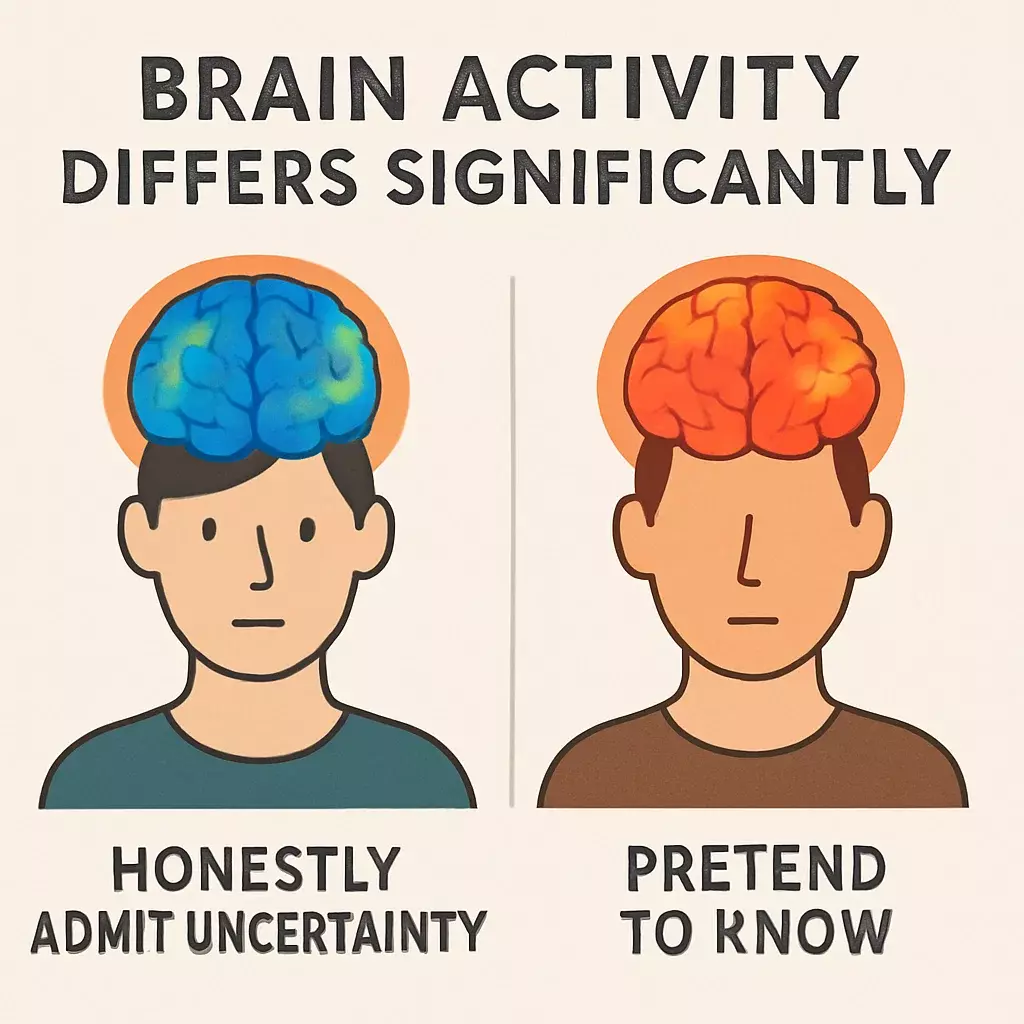
Brain activity differs significantly when we honestly admit uncertainty versus when we pretend to know
14 Better Ways to Say “I Don’t Know” in Professional Settings
The key to handling uncertainty professionally isn’t avoiding the admission—it’s reframing how you communicate it. These alternatives maintain your credibility while acknowledging knowledge gaps:
When You Should Know the Answer
- “I need to verify that information to give you an accurate answer.”
- “That’s an excellent question. I’ll research it and get back to you by [specific time].”
- “I want to make sure I provide the right information—let me confirm and follow up.”
- “My team is finalizing those details. I’ll have a complete answer by tomorrow.”
When It’s Not Your Area of Expertise
- “I’m not the best person to answer that, but I can connect you with [colleague] who specializes in this area.”
- “Based on my understanding, I believe [partial answer], but [expert] would have more detailed insights.”
- “Here’s what I know, and here’s where my knowledge has limits on this topic…”
- “That’s outside my primary expertise, but I’m happy to learn more about it with you.”
When You Need More Information
- “Could you share more context so I can give you the most relevant answer?”
- “Before I respond, could you clarify what specific aspect you’re most interested in?”
- “There are several approaches to this. What’s your primary goal so I can tailor my response?”
When Casual Alternatives Work
- “I haven’t had a chance to look into that yet.”
- “I’ve been wondering about that myself.”
- “That’s a great question that deserves a thoughtful answer.”
5-Step Guide to Transforming “I Don’t Know” Into Professional Strength
✅ Step 1: Reframe Your Mindset
Start seeing “I don’t know” as a sign of intellectual honesty rather than weakness. Research from Harvard Business School shows that leaders who acknowledge uncertainty are rated as more trustworthy than those who project false certainty.
Practice: Next time you’re uncertain, remind yourself: “My value comes from my ability to learn and solve problems, not from knowing everything immediately.”
✅ Step 2: Add a Follow-Up Action
Transform uncertainty from a dead end into a pathway by always including what you’ll do next. This shifts the focus from what you don’t know to your problem-solving process.
Practice: “I don’t have that information right now, but I’ll research it and email you by the end of the day.”
✅ Step 3: Develop Active Learning Habits
Create a system for addressing knowledge gaps you identify. Keep a learning journal where you note questions that arise and how you resolved them, building your expertise systematically.
Practice: Schedule 30 minutes weekly to research topics that came up where you weren’t certain.
✅ Step 4: Build Psychological Safety
If you’re a leader, model comfort with uncertainty by openly acknowledging your own knowledge gaps. This creates an environment where team members feel safe doing the same.
Practice: Start your next meeting by sharing something you recently learned or a question you’re still exploring.
✅ Step 5: Practice Confident Delivery
How you say “I don’t know” matters as much as the words themselves. Maintain confident body language, steady eye contact, and a calm tone when acknowledging uncertainty.
Practice: Role-play difficult scenarios with a trusted colleague to build confidence in your delivery.

Real-Life Success Stories: When “I Don’t Know” Led to Growth
The Executive Who Gained Trust
Sarah, a new CFO at a tech startup, was asked a detailed question about historical tax implications during her first board meeting. Rather than guessing, she said, “That’s an important question that deserves a thorough answer. I don’t have all those details today, but I’ll analyze this and provide a comprehensive report by Friday.”
The result? Board members later commented that her honesty and follow-through built more confidence than if she’d given a partial answer. Within six months, she became known for her reliable insights precisely because she never overextended beyond her knowledge.
The Team Lead Who Created Psychological Safety
Marcus, leading a product development team, noticed his team members hesitated to share challenges. During one meeting, when asked about timeline feasibility, he openly said, “I don’t know if that’s realistic yet. Let’s map out the unknowns together and determine what we need to learn before committing.”
By modeling comfort with uncertainty, his team began acknowledging their own knowledge gaps. This led to more accurate planning, fewer missed deadlines, and innovative solutions as people felt safe exploring new approaches.

Teams perform better when leaders create psychological safety by modeling comfort with uncertainty
5 Common Mistakes When Handling Uncertainty at Work
- Pretending to know – When you fabricate an answer, you risk damaging your credibility permanently when the truth emerges.
- Staying silent – Avoiding the question entirely creates confusion and missed opportunities for collaboration.
- Overcompensating with jargon – Using complex language to mask uncertainty often backfires, making your lack of knowledge more obvious.
- Taking it personally – Viewing knowledge gaps as character flaws rather than natural learning opportunities creates unnecessary stress.
- Failing to follow up – Promising to find information but never delivering undermines the trust you built by being honest initially.
Essential Resources for Professional Communication Confidence
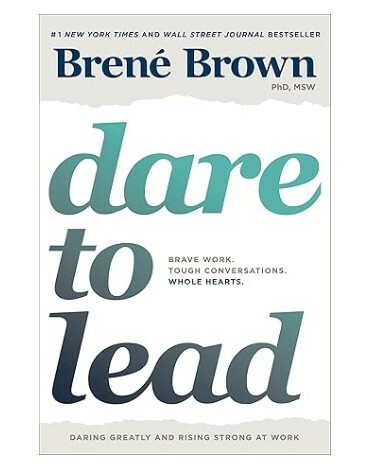
Dare to Lead
Brené Brown explores how vulnerability—including admitting what you don’t know—forms the foundation of courageous leadership.
Price: $15-20
Reader Review: “Transformed how I handle uncertainty with my team. A must-read for anyone in leadership.”
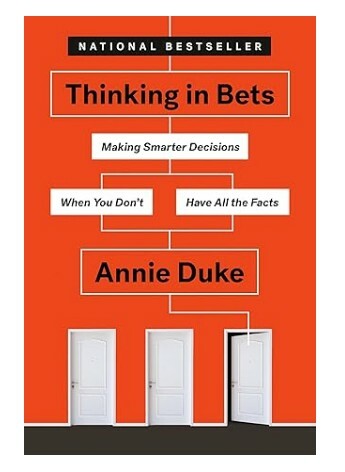
Thinking in Bets
Former poker champion Annie Duke offers strategies for making decisions under uncertainty and communicating confidence levels effectively.
Price: $12-18
Reader Review: “Changed how I express certainty at work. Now I communicate in probabilities rather than absolutes.”
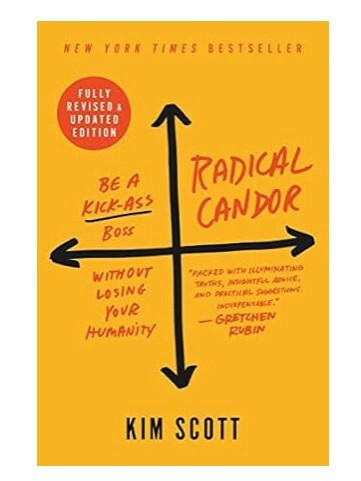
Radical Candor
Kim Scott provides frameworks for honest communication that balances directness with empathy—perfect for navigating knowledge gaps.
Price: $14-22
Reader Review: “Helped me create a team culture where saying ‘I don’t know’ is respected, not penalized.”
| Resource | Price Range | Focus Area | Best For |
| Dare to Lead | $15-20 | Vulnerability in Leadership | Team Leaders, Executives |
| Thinking in Bets | $12-18 | Decision-Making Under Uncertainty | Analysts, Strategic Roles |
| Radical Candor | $14-22 | Honest Communication | Managers, Team Members |
Your Action Plan: Mastering “I Don’t Know” in Professional Settings

Quick Implementation Checklist
- ✅ Replace fear with curiosity when faced with questions you can’t answer
- ✅ Practice phrases that acknowledge uncertainty while maintaining credibility
- ✅ Always include a follow-up action when saying “I don’t know”
- ✅ Create a personal system for addressing knowledge gaps you identify
- ✅ If you lead others, model comfort with uncertainty to build psychological safety
- ✅ Pay attention to your body language when admitting uncertainty
- ✅ Commit to trying one new approach in your next meeting or conversation
Conclusion: Transforming “I Don’t Know” Into Your Professional Advantage
Saying “I don’t know” in professional settings isn’t a liability—it’s an opportunity to demonstrate intellectual honesty, curiosity, and problem-solving skills. By reframing how you approach uncertainty, you can transform these moments from sources of anxiety into pathways for growth and trust-building.
Remember that true expertise isn’t about having all the answers—it’s about knowing how to find them, being honest about limitations, and continuously expanding your knowledge. As you practice the strategies in this guide, you’ll likely discover that colleagues and leaders respect your candor more than they would appreciate false certainty.
We encourage you to try just one new approach from this article in your next meeting or conversation. Notice how it feels, how others respond, and how it might open doors to more authentic and productive professional relationships.
“Vulnerability is not winning or losing; it’s having the courage to show up and be seen when we have no control over the outcome.” — Brené Brown