


What if the greatest leadership power isn’t control… but awareness? What if vulnerability made you stronger instead of weaker? And what kind of leader do people truly choose to follow?
In a world obsessed with authority and command, enlightened leadership offers a refreshing alternative. It’s the synergy of awareness, courage, humility, and purpose that transforms ordinary managers into extraordinary guides.
This journey isn’t about perfection—it’s about presence. It’s not about having all the answers, but asking better questions. And it begins with a simple truth: the most powerful leaders aren’t those who dominate others, but those who elevate them.
Leading With Vulnerability: The Courage to Be Seen
Vulnerability in leadership isn’t weakness—it’s the ultimate strength. 🌱 When leaders share their challenges, uncertainties, and learning moments, something remarkable happens: trust flourishes.
Think about the leaders who’ve most influenced you. Were they the ones who maintained a perfect facade? Or those who showed their humanity while striving for excellence?
Vulnerability builds trust because it demonstrates authenticity. When you acknowledge your limitations, you create psychological safety for others to do the same. This opens the door to honest communication, innovation, and genuine connection.
As Brené Brown wisely notes, “Vulnerability is not winning or losing; it’s having the courage to show up and be seen when we have no control over the outcome.”
Enlightened leadership begins when we stop pretending to be perfect and start embracing our wholeness—strengths and weaknesses alike.
When you lead with vulnerability, you give others permission to bring their full selves to work. This creates teams that collaborate more effectively because they’re not wasting energy on pretense.
Overcoming Fear as a Leader: From Paralysis to Power

Fear is a universal companion on the leadership journey. The fear of failing publicly. The fear of being exposed as inadequate. The fear of disappointing others or becoming irrelevant.
But here’s the truth: 🧠 Fear is a compass, not a cage. It points to areas where growth awaits.
Enlightened leaders don’t eliminate fear—they develop a new relationship with it. They recognize fear as valuable feedback rather than a stop sign.
Practical Tools for Transforming Fear
✅ Self-Reflection
Regular journaling about your fears helps externalize them. Ask yourself: “What’s the worst that could happen? How likely is it? What would I do if it did?”
✅ Mindfulness Practice
Daily meditation builds the mental muscle to observe fear without being controlled by it. Even 5 minutes daily creates remarkable results over time.
✅ Reframing
Transform “I’m afraid of failing” into “I’m learning what works.” This simple shift changes paralysis into progress.
✅ Aligned Action
Take one small step despite discomfort. Each step builds courage for the next one.
Ready to Transform Your Relationship with Fear?
The book “Fear Is Fuel” by Patrick Sweeney offers science-backed strategies for turning fear into a performance advantage.
Scaling Through the Right People: The Multiplier Effect

Enlightened leaders understand a profound truth: your organization can only grow as far as your people can take it. 👥 The quality of your team determines the height of your ceiling.
Unlike conventional leaders who hire for skills alone, enlightened leaders prioritize values alignment first. They know technical skills can be taught, but character and cultural fit are foundational.
The Enlightened Hiring Philosophy
- Hire for values, then verify skills
- Build complementary teams where strengths offset weaknesses
- Look for people who challenge your thinking, not just confirm it
- Seek those with greater potential than yourself
- Prioritize emotional intelligence alongside technical expertise
When you hire people who align with your vision but bring diverse perspectives, magic happens. As the leader, your job shifts from micromanaging to removing obstacles and amplifying impact.
🚀 The ultimate test of enlightened leadership isn’t what you accomplish personally—it’s how much others accomplish because of your influence.
Remember: If you’re the smartest person in every room, you’re in the wrong rooms. Surround yourself with people who make you better.
Shaping and Communicating Vision: The North Star

Vision is where enlightened leadership begins to scale beyond personal influence. It’s not just a statement on a wall—it’s a living force that guides every decision.
🎯 Effective vision combines emotional resonance with strategic direction. It answers both “where are we going?” and “why does it matter?”
The Three Dimensions of Compelling Vision
Clarity
A vision must be specific enough to guide decisions but broad enough to inspire. It should pass the “elevator test”—can you explain it in 30 seconds?
Connection
Vision must connect to people’s values and aspirations. It’s not just what the organization will achieve, but what it means for everyone involved.
Consistency
Vision must be communicated repeatedly and consistently. People need to hear it 7-10 times before it truly sinks in.
Enlightened leaders don’t just articulate vision—they embody it. They translate grand aspirations into everyday actions and decisions that team members can follow.
🗺️ The test of vision isn’t its eloquence but its usefulness in guiding real-world choices.
Balancing Loyalty and Opportunity: The Leadership Paradox

One of the most challenging aspects of enlightened leadership is navigating the tension between loyalty and opportunity. How do you honor commitments while remaining open to growth?
⚖️ This balance isn’t about choosing one over the other—it’s about finding the integration point where both can coexist.
True loyalty isn’t about keeping people in place. It’s about supporting their growth, even when that growth leads them elsewhere.
Enlightened leaders create cultures where transitions are handled with integrity and respect. They recognize that supporting someone’s journey—even when it leads away from the organization—builds deeper trust than attempting to restrict movement.
Practical Ways to Balance Loyalty and Opportunity
- Have regular career development conversations
- Create internal growth paths whenever possible
- Celebrate alumni who move on to new opportunities
- Maintain relationships beyond organizational boundaries
- Be transparent about organizational changes and limitations
When you approach leadership this way, something remarkable happens: people give their best while they’re with you, and they become ambassadors when they move on.
Leveraging Customer Feedback: The Growth Engine

Enlightened leaders understand that customer feedback isn’t just information—it’s intelligence. It’s the most reliable compass for navigating market changes and evolving needs.
📊 When systematically collected and analyzed, feedback becomes your most valuable asset for:
Market Intelligence
Identifying emerging trends and unmet needs before competitors do
Innovation Source
Discovering product improvements and new offerings directly from users
Relationship Building
Strengthening customer loyalty by demonstrating that you listen and respond
A Simple Feedback System for Enlightened Leaders
- Collect – Use multiple channels (surveys, interviews, social listening) to gather diverse perspectives
- Categorize – Organize feedback into themes to identify patterns
- Prioritize – Focus on high-impact, achievable improvements first
- Act – Implement changes based on insights
- Close the loop – Tell customers how their feedback led to improvements
The most powerful aspect of this approach isn’t just the operational improvements—it’s the culture of responsiveness it creates. When customers see that you genuinely value their input, trust deepens.
Embracing Authenticity as a Salesperson: Service Over Manipulation

The old paradigm of sales as manipulation is dying. Enlightened leaders recognize that authentic sales is fundamentally about service—matching solutions to genuine needs.
🤝 This shift transforms the entire sales process from pressure-based to purpose-based.
- Listens more than talks
- Recommends only what truly fits
- Educates rather than manipulates
- Builds long-term relationships
- Measures success by customer outcomes
Authentic Sales Approach
- Talks more than listens
- Pushes whatever pays highest commission
- Uses pressure tactics
- Focuses on transactions
- Measures success by revenue alone
Traditional Sales Approach
When you approach sales as problem-solving rather than persuasion, something remarkable happens: resistance dissolves. Customers feel understood rather than targeted.
❤️ The enlightened approach to sales is summed up perfectly by Zig Ziglar: “You can have everything in life you want, if you will just help other people get what they want.”
Transform Your Sales Approach
For a deeper dive into authentic selling, check out “To Sell Is Human” by Daniel Pink. #ad #Ads
Finding (and Becoming) Mentors & Sponsors: The Growth Cycle

Enlightened leadership creates a continuous cycle of growth. As you receive guidance from those ahead of you, you simultaneously lift those behind you.
This dual role—being both mentee and mentor—accelerates your development while multiplying your impact.
Understanding the Difference
| Aspect | Mentor | Sponsor |
| Primary Role | Provides guidance and wisdom | Advocates and creates opportunities |
| Relationship | Often private and advisory | Public champion and door-opener |
| Value Exchange | Knowledge and perspective | Access and visibility |
| Finding One | Ask for specific guidance | Demonstrate value consistently |
🌱 Enlightened leaders actively seek mentors who challenge their thinking while simultaneously sponsoring promising talent who might otherwise be overlooked.
This creates a powerful flywheel effect: as you grow through mentorship, you develop more capacity to sponsor others, which in turn expands your influence and learning opportunities.
Pro Tip: Don’t limit yourself to one mentor. Create a personal “board of advisors” with different strengths and perspectives.
Generosity as a Business Practice: The Ultimate Multiplier

In a world fixated on scarcity, enlightened leaders operate from abundance. They understand that generosity isn’t just a personal virtue—it’s a powerful business strategy.
💡 Generosity creates compound returns in reputation, relationships, and opportunities.
The Four Dimensions of Leadership Generosity
Knowledge Sharing
Teaching what you know rather than hoarding expertise as power
Opportunity Creation
Opening doors for others, especially those with limited access
Amplifying Others
Using your platform to highlight others’ contributions and ideas
Resource Provision
Sharing connections, tools, and support that help others succeed
When generosity becomes a consistent practice, something remarkable happens: it returns multiplied. Not through direct reciprocity, but through an expanded network of goodwill and opportunity.
🔥 Adam Grant’s research in “Give and Take” confirms this: strategic givers ultimately outperform takers in the long run.
Real-Life Examples of Enlightened Leadership

Example 1: Transforming a Toxic Culture Through Vulnerability
When Sarah became CEO of a struggling tech company, she inherited a culture of blame and fear. Rather than pretending to have all the answers, she began her tenure with a radical approach: transparency about the company’s challenges and her own uncertainties.
In her first all-hands meeting, she shared the concerning financial data that had been hidden from employees. She acknowledged that she didn’t have an immediate solution but invited everyone to contribute ideas.
This vulnerability initially shocked the team, who were accustomed to leadership by facade. But within months, the culture transformed. People began speaking honestly about challenges. Cross-functional collaboration emerged organically. Innovation accelerated as psychological safety increased.
Three years later, the company had not only recovered financially but had become known for its exceptional culture and employee retention.
Example 2: Scaling Impact Through Generosity
Marcus built a successful marketing agency but hit a growth ceiling. Rather than hoarding his methods as proprietary secrets, he made a counterintuitive move: he began teaching everything he knew through free workshops, detailed blog posts, and an open-source resource library.
Competitors warned this would cannibalize his business. Instead, it exploded. As Marcus freely shared his expertise, he became known as the industry authority. Clients sought him out specifically because his generosity demonstrated both his expertise and his integrity.
His agency grew 300% in two years, not despite his generosity but because of it. The more he gave, the more his reputation and influence expanded.
5 Common Mistakes Unenlightened Leaders Make

Each of these mistakes stems from insecurity rather than malice. Enlightened leaders recognize these patterns in themselves and consciously choose a different path—one of awareness, courage, and service.
Essential Resources for Enlightened Leadership
Developing as an enlightened leader is a lifelong journey. These resources will support your continued growth:
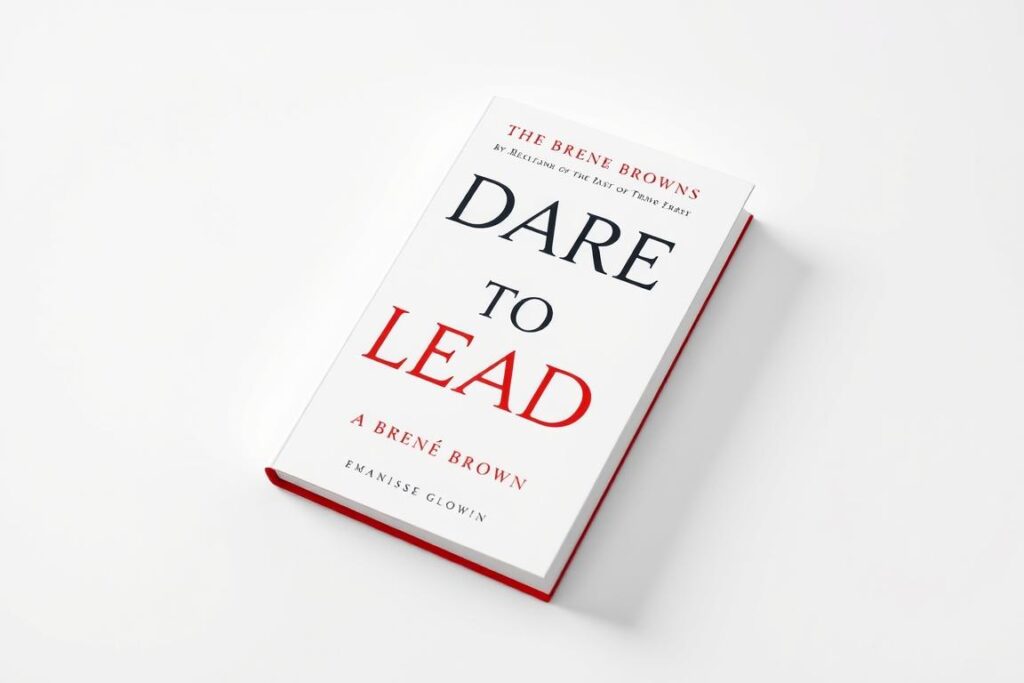
Dare to Lead
Brené Brown’s research-backed guide to vulnerable, courageous leadership that creates psychological safety.
Price: $14.99 – $25.00
“This book transformed how I approach difficult conversations with my team.” – Reader Review

Emotional Intelligence 2.0
Travis Bradberry’s practical guide to developing the emotional intelligence essential for enlightened leadership.
Price: $12.99 – $24.99
“The assessment tool alone is worth the price. Transformative for self-awareness.” – Reader Review

Give and Take
Adam Grant’s evidence-based exploration of how generosity creates sustainable success in business and leadership.
Price: $13.99 – $27.00
“Changed my entire approach to networking and relationship building.” – Reader Review
Checklist: Traits of an Enlightened Leader
The Journey Continues: Your Next Steps
Enlightened leadership is not about being above others—but being present with them. The world doesn’t need more bosses. It needs more conscious leaders who combine awareness, courage, humility, and purpose.
This journey has no final destination—only continuous growth and deeper impact. Each principle we’ve explored represents a practice rather than a perfection point.
As you reflect on these ideas, consider: Which of these traits will you start practicing this week? What one small step would move you toward more enlightened leadership?
Remember that transformation happens through consistent small actions, not occasional grand gestures. Choose one area to focus on, practice it deliberately, then expand to others.