


Would you support someone knowing they might one day outshine you? What if the mark of true leadership isn’t being the best—but creating the best? The most impactful leaders understand that their legacy isn’t measured by personal achievements, but by the success of those they’ve mentored. As the ancient Greek proverb suggests, “A society grows great when old men plant trees in whose shade they know they shall never sit.”
Research from the Harvard Business Review shows that organizations with strong leadership development programs are 8.8 times more likely to have high-quality leadership. Yet many leaders struggle with the vulnerability of nurturing high potential individuals and skilled workers that might eventually surpass them. This tension between ego and legacy defines the difference between good leaders and truly transformative ones, especially in a world where graduates from top global universities are entering the workforce, often with degrees taught in English. Furthermore, as innovators seek opportunities like the innovator founder visa or aim for indefinite leave to remain, the importance of cultivating talent becomes even more critical.
Why This Mindset Matters: Service Over Ego
The difference between leadership as service versus leadership as ego is profound. When leaders operate from ego, they view talented team members as threats. They hoard knowledge, limit opportunities, and subtly undermine rising stars. The result? Innovation stagnates, morale plummets, and the organization’s future dims.
In contrast, leaders who embrace service see developing high potential individuals as their primary mission. They actively seek high-potential individuals and skilled workers, investing in their growth—even knowing these protégés might eventually take their position or achieve greater recognition.
This service-oriented approach creates a compounding effect. McKinsey research shows that organizations with robust leadership development see 2.3 times the revenue growth compared to those without. This striking statistic underscores the importance of nurturing talent within an organization. Why? Because talent development isn’t just about individual careers—it’s about building organizational capacity that extends far beyond any single leader’s tenure. By investing in people, organizations cultivate a culture of continuous improvement and innovation, which ultimately leads to sustainable success. When leaders prioritize the growth of their team members, they create an environment where everyone feels empowered to contribute their best ideas and efforts. This not only enhances individual performance but also strengthens the overall team dynamic, fostering collaboration and creativity that drives the organization forward.
The Hidden Cost of Insecurity
Fear of being replaced or outshined is natural but costly. Leaders who succumb to this insecurity often:
- Surround themselves with “yes people” rather than innovative thinkers
- Micromanage projects that could develop others’ capabilities
- Take credit for team successes while deflecting failures
- Create information silos that prevent knowledge transfer
- Avoid succession planning, leaving organizations vulnerable
These behaviors might preserve a leader’s position temporarily, but they create organizational vulnerabilities and eventually lead to stagnation. The irony? Leaders who fear being replaced often accelerate their own obsolescence by failing to build a dynamic, forward-thinking culture.
“The greatest leader is not necessarily the one who does the greatest things. He is the one that gets the people to do the greatest things.” — Ronald Reagan
The Psychology of Great Leadership
💡 Humility vs. Ego: The Foundation of Exceptional Leadership
Psychologically secure leaders understand a fundamental truth: their value isn’t diminished when others succeed. Research from the University of Washington found that humble leaders who acknowledge their limitations and appreciate others’ strengths create higher-performing teams with greater innovation and employee satisfaction.
This humility isn’t weakness—it’s strength. It allows leaders to:
- Seek diverse perspectives without feeling threatened
- Admit mistakes and model continuous learning
- Celebrate team members’ achievements genuinely
- Focus on organizational success rather than personal glory

🌱 Abundance Mindset: There’s Enough Success for Everyone
Leaders with an abundance mindset reject the zero-sum game mentality. They believe that success isn’t finite—when one person grows, the entire organization benefits. This perspective transforms how they approach talent development.
Stanford psychologist Carol Dweck’s research on growth mindset applies here: leaders who believe talents can be developed create environments where high-potential individuals flourish. They see others’ success as validation of their leadership rather than competition.
This abundance thinking manifests as:
- Generous knowledge sharing and mentorship
- Creating opportunities for visibility and growth
- Connecting team members with valuable networks
- Advocating for promotions and advancement, even when it means losing talent from their immediate team
🚀 Legacy Leadership: Building Something That Outlasts You
The most profound shift occurs when leaders focus on legacy rather than position. They ask: “What will remain after I’m gone?” This long-term perspective transforms day-to-day leadership decisions.
Legacy-focused leaders understand that their most enduring impact comes through the people they develop. They measure success not by personal achievements but by how many leaders they create. This mindset frees them from the anxiety of comparison and redirects energy toward meaningful mentorship.
“The final test of a leader is that they leave behind in others the conviction and will to carry on.” — Walter Lippmann
How to Identify High-Potential Individuals
Spotting tomorrow’s stars requires looking beyond current performance to identify underlying potential. High-potential individuals often display distinctive characteristics that set them apart, even before they’ve mastered their current role.

✅ Look for Curiosity and Learning Agility
High-potential individuals demonstrate insatiable curiosity. They ask thoughtful questions, seek to understand systems and connections, and show genuine interest in areas beyond their immediate responsibilities. This curiosity drives rapid learning and adaptation, enabling them to grasp complex concepts quickly and apply them effectively in various contexts. They often explore diverse subjects, drawing insights from different fields that can lead to innovative solutions and improvements. This intrinsic motivation to learn not only enhances their own skill set but also inspires those around them to pursue knowledge actively. Such individuals are not satisfied with surface-level understanding; they dig deeper, challenge assumptions, and encourage a culture of inquiry within their teams. This curiosity drives rapid learning and adaptation.
Learning agility—the ability to learn from experience and apply those lessons to new situations—is perhaps the strongest predictor of long-term potential. Look for people who:
- Actively seek feedback and implement it
- Volunteer for unfamiliar projects or challenges
- Connect ideas across different domains
- Recover quickly from setbacks with new approaches
- Demonstrate intellectual humility while maintaining confidence
✅ Notice Resilience and Adaptability Under Pressure
When faced with obstacles, high-potential individuals don’t just persevere—they adapt. They view challenges as puzzles to solve rather than barriers to progress. This resilience manifests as:
- Maintaining composure during crises or setbacks
- Finding creative solutions to unexpected problems
- Bouncing back from failures with renewed focus
- Adjusting strategies based on changing conditions
- Supporting team morale during difficult periods
✅ Pay Attention to Emotional Intelligence and Collaboration
Technical brilliance without emotional intelligence rarely translates to leadership success. High-potential individuals demonstrate exceptional interpersonal awareness and collaborative skills:
- Reading the emotional climate of meetings and interactions
- Adapting communication style to different audiences
- Building relationships across organizational boundaries
- Resolving conflicts constructively
- Bringing out the best in teammates through encouragement and support
✅ Spot Those Who Challenge Ideas, Not Just Agree
Perhaps counterintuitively, your most valuable team members may be those who respectfully challenge your thinking. High-potential individuals demonstrate intellectual courage by:
- Offering thoughtful dissenting perspectives
- Asking “why” questions that probe assumptions
- Suggesting alternative approaches backed by reasoning
- Taking principled stands when necessary
- Balancing respect with intellectual honesty
Strategies to Support and Develop High-Potential Individuals
Once you’ve identified high-potential individuals, how do you nurture their growth? The most effective development strategies balance challenge with support, creating opportunities for both achievement and learning.

Provide Stretch Assignments and Real Challenges
High-potential individuals grow through challenges that push them beyond their comfort zones. Research from the Center for Creative Leadership suggests that challenging assignments account for about 70% of leadership development, far outpacing formal training programs.
Effective stretch assignments:
- Require new skills or knowledge acquisition
- Involve higher stakes or visibility than routine work
- Connect to organizational priorities
- Include clear objectives while allowing creative approaches
- Provide growth without setting people up for failure
When assigning these challenges, be transparent about your intentions. Explain that you’re providing the opportunity because you see their potential and want to support their growth—not because you’re dumping unwanted work.
Encourage Autonomy and Innovation
Micromanagement kills potential. High-potential individuals need space to experiment, innovate, and occasionally fail. Google’s famous “20% time” policy—where engineers could spend one-fifth of their work time on self-directed projects—led to innovations like Gmail and Google News.
To foster autonomy:
- Define outcomes but allow flexibility in approach
- Create safe spaces for experimentation
- Encourage calculated risk-taking
- Treat failures as learning opportunities
- Ask for their ideas rather than always providing solutions

Offer Mentorship and Coaching
While challenging experiences drive growth, mentorship helps high-potential individuals process those experiences and extract maximum learning. Effective mentorship goes beyond casual check-ins to include:
- Regular structured reflection conversations
- Sharing relevant experiences and lessons learned
- Providing honest, specific feedback
- Discussing career aspirations and development paths
- Connecting mentees with additional resources and networks
Consider creating mentorship triads where high-potential individuals receive guidance from a senior leader while simultaneously mentoring a more junior colleague. This approach reinforces learning while developing coaching skills.
Celebrate Their Successes Publicly
Recognition reinforces growth and signals organizational values. When high-potential individuals achieve results, celebrate their successes visibly:
- Acknowledge specific contributions in team meetings
- Create opportunities for them to present their work to senior leaders
- Share success stories through organizational communications
- Nominate them for relevant awards or recognition programs
- Express genuine appreciation privately and publicly
Public recognition not only motivates the individual but also demonstrates your commitment to developing talent, encouraging others to strive for excellence.
Create Psychological Safety
Google’s Project Aristotle research identified psychological safety—the belief that one won’t be punished for making mistakes or speaking up—as the most important factor in high-performing teams. For high-potential individuals to take risks and grow, they need this foundation of safety.
To create psychological safety:
- Model vulnerability by admitting your own mistakes
- Respond to failures with curiosity rather than blame
- Invite diverse perspectives and demonstrate that they’re valued
- Address destructive behaviors that undermine trust
- Separate performance feedback from personal worth
Real-Life Examples of Investing in High-Potential Individuals

The Sheryl Sandberg Story: From Mentee to COO
When Mark Zuckerberg hired Sheryl Sandberg as Facebook’s COO in 2008, he made a deliberate choice to bring in someone whose strengths complemented his weaknesses. Though Zuckerberg was the founder and visionary, he recognized that Sandberg’s operational expertise and leadership skills were exactly what the company needed.
Rather than feeling threatened by Sandberg’s experience and capabilities, Zuckerberg empowered her to transform Facebook’s business operations. He gave her significant autonomy and publicly credited her contributions. Under their partnership, Facebook grew from a promising startup to a global tech giant.
What makes this example powerful is that Zuckerberg, despite being the founder, recognized the value of surrounding himself with high-potential individuals who excelled in areas where he did not. This decision ultimately multiplied his impact and the company’s success.
Google’s “20% Time”: Empowering Innovation
Google’s famous “20% time” policy allowed engineers to spend one-fifth of their work hours on projects of personal interest. This approach wasn’t just about innovation—it was fundamentally about trusting high-potential individuals to pursue their ideas.
The results were remarkable: Gmail, Google News, AdSense, and Google Maps all originated as 20% time projects. By creating space for autonomy and creativity, Google’s leadership unlocked tremendous value while simultaneously developing their talent pipeline.
This example demonstrates how organizational policies can systematically nurture high-potential individuals by providing them with both freedom and resources. The approach signals trust while creating opportunities for people to demonstrate capabilities beyond their formal roles.

Alan Mulally’s Leadership at Ford
When Alan Mulally became CEO of Ford Motor Company in 2006, the automaker was losing billions and heading toward bankruptcy. Rather than cleaning house, Mulally focused on developing the leadership team he inherited.
He created a culture of transparency and collaboration through his “Business Plan Review” meetings, where executives were encouraged to raise problems early rather than hiding them. Initially, team members were reluctant to admit challenges, but Mulally’s response to the first executive who reported a problem—applauding their honesty—changed the dynamic.
By creating psychological safety and investing in his leadership team’s development, Mulally transformed Ford’s culture and performance. The company not only survived the 2008 financial crisis without government bailouts but returned to profitability and innovation leadership.
This example shows how even in crisis situations, developing high-potential individuals can be a more effective strategy than replacing them. Mulally’s approach built organizational capability that outlasted his tenure as CEO.
5 Mistakes to Avoid When Developing High-Potential Individuals

1. Hoarding Knowledge or Opportunities
When leaders withhold information or keep the most interesting projects for themselves, they create artificial ceilings for high-potential individuals. This hoarding behavior often stems from insecurity—fear that sharing knowledge will make the leader dispensable.
The reality is the opposite: leaders who freely share knowledge and distribute opportunities become more valuable to the organization. They’re seen as multipliers who increase collective capability rather than individual contributors whose absence would create a vacuum.
Instead: Create systematic knowledge-sharing practices, delegate high-visibility projects, and celebrate when team members use your teachings to succeed.
2. Letting Ego Drive Decisions
Ego-driven leaders make decisions that protect their status rather than serve organizational needs. They might block promotions for high-potential individuals to keep them on their team, take credit for others’ ideas, or undermine team members who receive recognition.
These behaviors create toxic cultures where political maneuvering becomes more important than performance. High-potential individuals quickly recognize these dynamics and either adapt in unhealthy ways or leave for healthier environments.
Instead: Practice regular self-reflection, seek feedback about your leadership behaviors, and celebrate when team members receive recognition that might previously have triggered insecurity.
3. Favoring Loyalty Over Competence
When leaders prioritize loyalty and deference over skills and results, they create echo chambers that stifle innovation. This mistake often manifests as promoting “yes people” while sidelining those who offer constructive challenges.
While team cohesion matters, surrounding yourself exclusively with agreeable voices limits organizational learning and adaptation. True loyalty isn’t about agreement—it’s about commitment to shared success, which sometimes requires challenging prevailing wisdom.
Instead: Actively seek diverse perspectives, reward thoughtful dissent, and distinguish between personal attacks (unacceptable) and idea challenges (valuable).

4. Micromanaging Instead of Empowering
Excessive control prevents high-potential individuals from developing critical judgment and decision-making skills. Micromanagers create dependency rather than capability, limiting both individual growth and organizational scalability.
This mistake often stems from perfectionism or anxiety about results. However, it creates a lose-lose situation: the leader becomes overwhelmed with details while team members become frustrated by lack of autonomy.
Instead: Define clear outcomes and boundaries, then step back. Schedule regular check-ins rather than constant oversight, and use mistakes as coaching opportunities rather than justification for tighter control.
5. Ignoring Succession Planning
Many leaders avoid succession planning because it feels like planning for their own obsolescence. This avoidance creates organizational vulnerability and limits career progression for high-potential individuals.
Ironically, leaders who actively develop their successors often find more opportunities for their own growth. They become known as talent developers who can be trusted with larger responsibilities, while their successors strengthen the organization’s leadership bench.
Instead: Make succession planning a regular practice, discuss career aspirations openly with team members, and measure your success by how many of your direct reports get promoted.
“The single biggest way to impact an organization is to focus on leadership development. There is almost no limit to the potential of an organization that recruits good people, raises them up as leaders and continually develops them.”
Tools, Books & Resources for Developing High-Potential Individuals
The journey of developing high-potential individuals requires both mindset shifts and practical tools. These carefully selected resources will help you identify, nurture, and retain your organization’s future leaders.
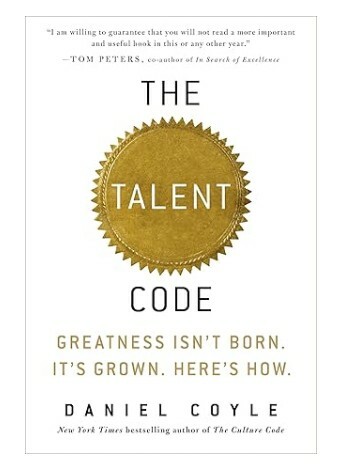
The Talent Code
By Daniel Coyle
$15-20
Explores the science behind talent development, revealing how deep practice, ignition, and master coaching combine to create world-class performers in any field.
“This book transformed how I approach developing my team. The concept of ‘deep practice’ alone was worth the price.” – Leadership Director

Multipliers
By Liz Wiseman
$18-25
Contrasts “Diminishers” who drain intelligence and capability from their teams with “Multipliers” who amplify it, providing practical strategies to become a leader who makes everyone smarter.
“This book helped me recognize my own ‘accidental diminisher’ behaviors and replace them with practices that bring out the best in my high-potential team members.” – Senior Manager
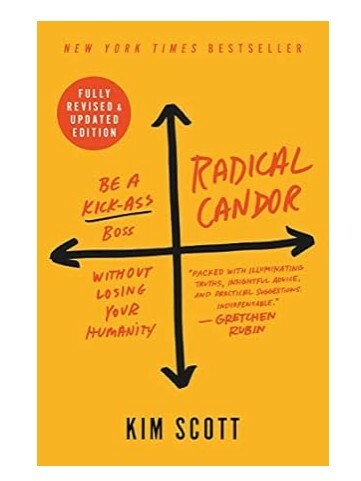
Radical Candor
By Kim Scott
$16-22
Provides a framework for giving honest feedback that helps people improve while showing you care personally—essential for developing high-potential individuals effectively.
“Scott’s approach to feedback transformed my relationships with my team. I’m now able to have the tough conversations that actually accelerate growth.” – Team Lead
Comparison of Leadership Development Resources
| Resource | Focus Area | Best For | Price Range | Format | Rating |
| The Talent Code | Talent Development Science | Understanding how exceptional ability develops | $15-20 | Book | 4.7/5 |
| Multipliers | Leadership Amplification | Maximizing team intelligence and capability | $18-25 | Book | 4.6/5 |
| Radical Candor | Feedback & Communication | Delivering growth-oriented feedback | $16-22 | Book | 4.5/5 |
Checklist: Cultivating High-Potential Individuals

Use this actionable checklist to ensure you’re creating an environment where high-potential individuals can thrive:
Identification Phase
- Look beyond current performance to potential indicators
- Assess learning agility through stretch assignments
- Observe how individuals respond to challenges
- Notice who demonstrates emotional intelligence
- Identify those who respectfully challenge ideas
- Use objective criteria to avoid bias in talent spotting
Development Phase
- Provide meaningful stretch assignments
- Create space for autonomy and innovation
- Establish regular mentorship conversations
- Offer specific, growth-oriented feedback
- Celebrate achievements publicly
- Create psychological safety for risk-taking
Retention Phase
- Discuss career aspirations and pathways
- Connect high-potentials with senior leaders
- Provide visibility through high-impact projects
- Recognize contributions meaningfully
- Offer competitive compensation and benefits
- Create development plans with clear milestones
Leadership Mindset
- Practice humility and continuous learning
- Embrace an abundance mindset
- Focus on organizational success over ego
- View others’ growth as your success
- Actively plan for succession
- Measure your impact by others’ advancement
Remember: The true measure of your leadership isn’t what you achieve personally—it’s what you enable others to achieve. Your legacy lives on through the high-potential individuals you develop who go on to make their own impact.
Conclusion: Your Leadership Legacy

The best leaders are remembered not for what they achieved alone, but for the greatness they inspired in others. When you commit to identifying and developing high-potential individuals—even knowing they might eventually outshine you—you create ripples of impact that extend far beyond your direct influence.
This approach requires courage. It means confronting your own insecurities, embracing vulnerability, and finding satisfaction in others’ success. Yet the rewards are profound: stronger organizations, more innovative solutions, and the deep fulfillment that comes from watching others soar.
As you implement the strategies in this guide, remember that developing high-potential individuals isn’t just good leadership practice—it’s how you create a legacy that outlasts your tenure. In a world where change is constant and challenges are complex, the greatest contribution you can make is developing the leaders who will tackle tomorrow’s problems.
“True leaders don’t create followers—they create more leaders.”
Who will you lift up today?
Frequently Asked Questions About Developing High-Potential Individuals
How do I distinguish between high performers and high-potential individuals?
High performers excel in their current roles, while high-potential individuals demonstrate capabilities beyond their current position. Look for learning agility, strategic thinking, emotional intelligence, and adaptability—traits that indicate someone can succeed at higher levels of responsibility. A person can be both a high performer and high-potential, but the distinction matters for development planning.
What if high-potential individuals leave after I’ve invested in their development?
This concern is common but reflects a scarcity mindset. Consider: Would you rather have undeveloped talent stay or developed talent leave? Investing in people increases engagement and loyalty, making them more likely to stay. Even if they eventually leave, they become ambassadors for your organization and may return with enhanced skills. Additionally, your reputation as a leader who develops people will attract other high-potential individuals.
Should I tell someone they’ve been identified as high-potential?
This is a nuanced decision. Transparency builds trust and can motivate high-potential individuals, but it may create expectations or cause others to feel excluded. A balanced approach is to focus conversations on specific strengths and development opportunities rather than labels. Discuss career aspirations and create development plans without necessarily using the “high-potential” designation explicitly.
How can I develop high-potential individuals with limited resources?
Development doesn’t require large budgets. Many effective strategies are free or low-cost: stretch assignments, cross-functional projects, mentorship, shadowing opportunities, leadership book clubs, or peer learning groups. The most valuable resource is often your time and attention as a leader—regular coaching conversations and thoughtful feedback cost nothing but create tremendous value.
How do I ensure diversity in my high-potential pipeline?
Start by examining your identification criteria for unconscious bias. Ensure you’re looking at potential rather than just traditional success markers that may favor certain groups. Create equal access to developmental opportunities, implement diverse mentorship programs, and track demographic data in your talent pipeline. Most importantly, build an inclusive culture where diverse perspectives are valued and people from all backgrounds can thrive.