

In this article, we’ll decode the data strategies that power these tech behemoths and extract actionable lessons that any organization — regardless of size or industry — can implement to transform their approach to data.
Why Data Strategy Defines Competitive Advantage
In FAANG companies, data isn’t stored — it circulates like oxygen, fueling every decision. This fundamental shift in perspective transforms data from a passive resource into an active driver of business strategy. While traditional companies treat data as a byproduct of operations, FAANG organizations design their entire business model around data collection, analysis, and application.
This approach creates a virtuous cycle: more data leads to better products, which attracts more users, generating even more valuable data. The result is an exponential growth curve that traditional competitors struggle to match.
The good news? You don’t need FAANG-level resources to adopt their data philosophy. The core principles can be scaled to fit organizations of any size.
📘 Facebook (Meta): The Network Effect Machine
Facebook’s data strategy revolves around one core concept: the network effect. Every user interaction — likes, comments, shares, even dwell time on content — feeds into sophisticated algorithms that continuously refine the user experience.
The company collects behavioral data at unprecedented scale, using it to power engagement algorithms that keep users coming back. This creates a self-reinforcing loop: more engagement generates more data, which improves the algorithms, leading to even more engagement.
Facebook’s machine learning systems analyze patterns across billions of interactions to predict what content will resonate with each user. This personalization engine is so effective that no two users see the same Facebook experience.
Key Lesson: Leverage feedback loops — every user action should teach your system how to serve better. Even with limited data, you can implement simple feedback mechanisms that improve your product or service over time.
📦 Amazon: The Customer-Centric Data Empire
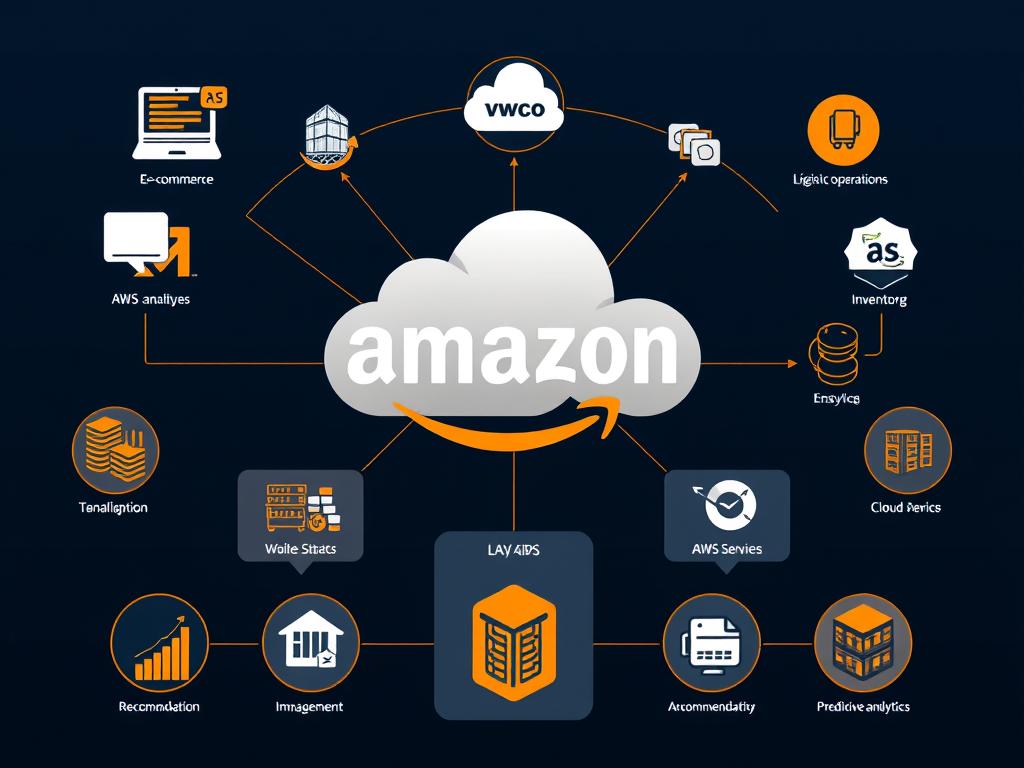
Amazon’s approach to data is perhaps the most comprehensive of all FAANG companies. They’ve built a unified data architecture that connects retail operations, logistics networks, and cloud services (AWS) into a seamless ecosystem.
This integration allows Amazon to track the entire customer journey, from initial search to purchase and delivery. Their recommendation engine alone drives 35% of all purchases, demonstrating the power of data-driven personalization.
Amazon’s predictive analytics capabilities extend beyond recommendations to inventory management and demand forecasting. They know what you’ll want before you do, and they make sure it’s in stock and ready to ship.
Key Lesson: Integrate data vertically — connect customer interactions to operational metrics. Start by identifying the most critical data points across your customer journey and operations, then build bridges between these previously siloed datasets.
🍎 Apple: Privacy as a Product Strategy
Apple stands apart from other FAANG companies with its privacy-first approach to data. Rather than centralizing user data collection, Apple emphasizes on-device processing and differential privacy techniques that allow personalization without compromising user trust.
This strategy turns a potential limitation (less data collection) into a competitive advantage. Apple has positioned privacy as a premium feature, attracting privacy-conscious consumers and differentiating itself in an increasingly privacy-aware market.
Despite these constraints, Apple still delivers personalized experiences through innovative approaches like federated learning, where models are trained on-device and only anonymous improvements are shared with central systems.
Key Lesson: Ethical data strategy can become a competitive differentiator. As privacy regulations tighten globally, organizations that proactively build privacy-respecting data systems will gain consumer trust and avoid regulatory pitfalls.
Data responsibility is the new data advantage. Organizations that prioritize ethical data practices aren’t just avoiding risk—they’re building trust that translates to customer loyalty.
🎬 Netflix: Predictive Creativity
Netflix has revolutionized content creation by combining data science with creative intuition. Their recommendation system analyzes viewing patterns across 200+ million subscribers to understand not just what people watch, but how they watch it.
This data-driven approach extends beyond recommendations to content investment. Before greenlighting shows like “House of Cards,” Netflix analyzed viewer preferences to identify patterns that suggested the show would succeed.
Netflix conducts over 250 A/B tests annually, experimenting with everything from thumbnail images to episode order. Each test generates insights that continuously refine their understanding of viewer behavior.
Key Lesson: Use data to inspire creativity, not replace it. The magic happens when analytics and intuition work together. Start by identifying your creative decisions that could benefit from data validation, while preserving space for innovation that data alone might not predict.
🔎 Google: The Search Intelligence Powerhouse
Google treats data as infrastructure — the foundation upon which all products are built. Every search query, map direction, and YouTube view becomes a signal that improves their understanding of user intent and information relevance.
Their approach combines massive scale (processing billions of searches daily) with sophisticated AI through platforms like TensorFlow and DeepMind. This integration of data and intelligence creates products that seem to understand what users want before they fully articulate it.
Google’s culture of continuous experimentation ensures that insights from data immediately translate into product improvements. They run thousands of search algorithm experiments annually, each refining their ability to deliver relevant results.
Key Lesson: Treat data as a learning organism — every interaction should make the system smarter. Implement mechanisms that automatically feed user interactions back into your products and services, creating a system that improves with use.
The Common DNA of FAANG Data Strategies
Despite their different business models, FAANG companies share fundamental principles in their approach to data:
💡 Continuous Feedback Loops
Data collection is never a one-time event. Every user interaction feeds back into the system, creating a virtuous cycle of improvement.
⚙️ Scalable Architecture
Their data infrastructure is designed to handle exponential growth, with real-time processing capabilities that turn raw data into actionable insights quickly.
🤖 Machine Learning Integration
AI isn’t a separate initiative but is woven into core business processes, automating decisions and uncovering patterns humans might miss.
🧠 Experimentation Culture
Hypotheses are constantly tested through rigorous A/B testing, creating a culture where data, not opinion, drives decisions.
⚖️ Personalization-Privacy Balance
Even as they push personalization boundaries, these companies (especially Apple) recognize the importance of user trust and data protection.
🔄 Cross-Functional Data Access
Data isn’t siloed within technical teams but is accessible to decision-makers across the organization through intuitive dashboards and tools.
Applying FAANG Principles to Your Organization
You don’t need FAANG’s resources to implement their data philosophy. Here’s how to adapt their strategies to your organization:
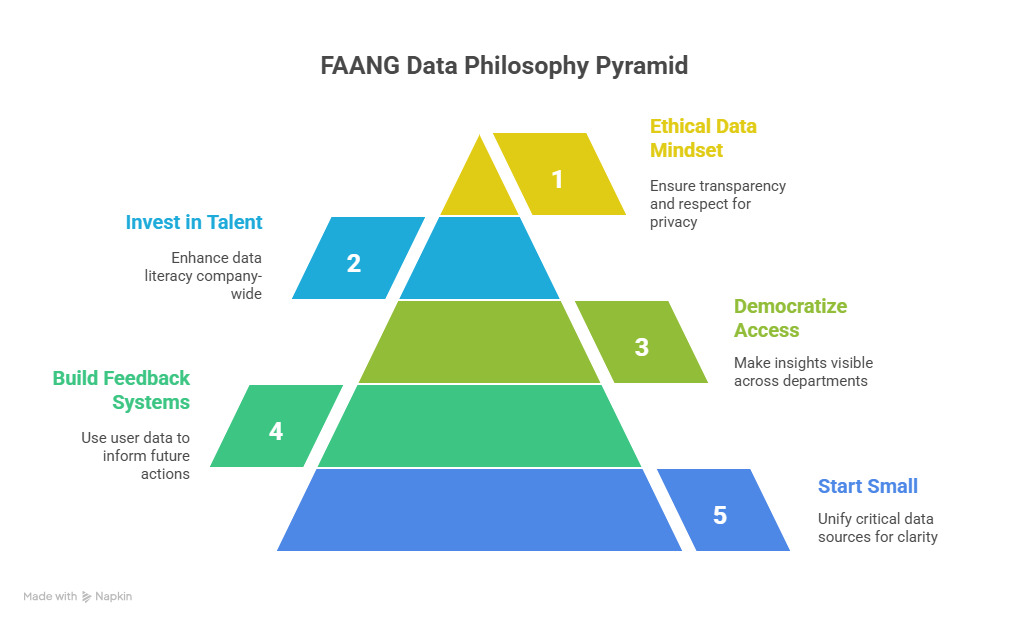
- Start small — Begin by unifying your most critical data sources before attempting complex analytics. Create a single source of truth for your most important business metrics.
- Build feedback systems — Design processes where data from user interactions automatically informs future actions. Even simple surveys can create valuable feedback loops.
- Democratize access — Make insights visible across departments through intuitive dashboards. Data shouldn’t be locked in technical silos.
- Invest in talent — Data literacy must become a company-wide skill. Train existing staff and hire specialists who can translate data into business value.
- Foster an ethical data mindset — Transparency builds trust. Develop clear policies about data collection and usage that respect user privacy while enabling innovation.
“The goal isn’t to become a data company. The goal is to become a learning company, where data accelerates your ability to adapt and innovate.”
Beyond FAANG: Success Stories
FAANG companies aren’t the only ones leveraging sophisticated data strategies. Here are two organizations that have successfully adopted similar principles:
🎵 Spotify: The Personalization Engine
Spotify processes over 100 billion events daily to power its recommendation engine. Their “Discover Weekly” playlists are generated through a combination of collaborative filtering (what similar users enjoy) and content-based analysis (musical attributes).
This data-driven approach has helped Spotify achieve a 46% market share in the streaming music industry, despite competition from tech giants like Apple and Amazon.
Key Implementation: Spotify created a unified data platform called “Scio” that allows teams across the company to access and analyze user data, fostering a culture where product decisions are consistently informed by user behavior.
📦 UPS: Predictive Logistics
UPS’s ORION (On-Road Integrated Optimization and Navigation) system analyzes over 1 billion data points daily to optimize delivery routes. This data strategy saves the company 100 million miles annually, reducing fuel consumption by 10 million gallons.
Key Implementation: UPS invested in IoT sensors across their fleet and facilities, creating a continuous stream of operational data that feeds into their predictive models.
Common Mistakes to Avoid
Even with the best intentions, organizations often stumble when implementing data strategies. Here are the pitfalls to avoid:
⚠️ Treating Data as IT’s Job
In FAANG companies, data is everyone’s responsibility. When data initiatives are isolated within technical teams, they rarely deliver business value. Create cross-functional data teams that include business stakeholders.
⚠️ Collecting Too Much Irrelevant Data
“Data obesity” — gathering data without clear purpose — creates noise that obscures valuable signals. Start with specific business questions, then determine what data you need to answer them.
⚠️ Ignoring Privacy or Governance
Short-term data gains can lead to long-term trust losses. Develop clear data governance policies that balance innovation with responsibility.
⚠️ Lacking Feedback Loops
Many organizations collect data but fail to feed insights back into their products and operations. Design systems where data automatically informs decisions and actions.
Books, Tools & Resources

Deepen your understanding of data strategy with these essential resources:

Data Strategy
Bernard Marr’s practical guide to creating business value from data assets. Particularly strong on aligning data initiatives with strategic objectives.
Price: $24.99
Rating: 4.6/5
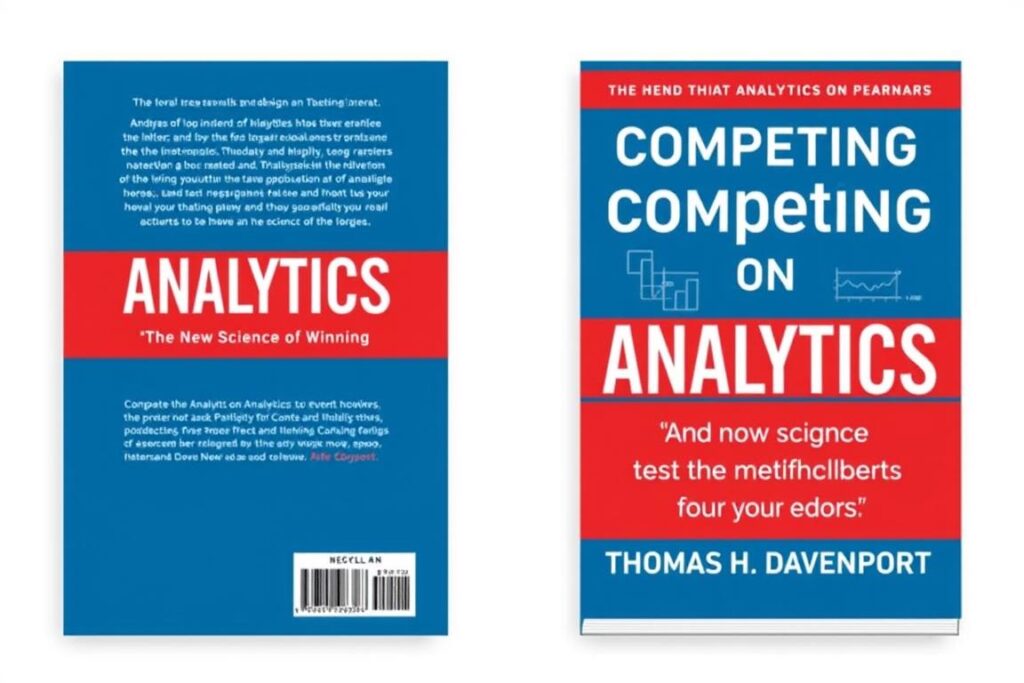
Competing on Analytics
Thomas Davenport’s classic on how organizations can build competitive advantage through sophisticated data analysis.
Price: $28.00
Rating: 4.5/5
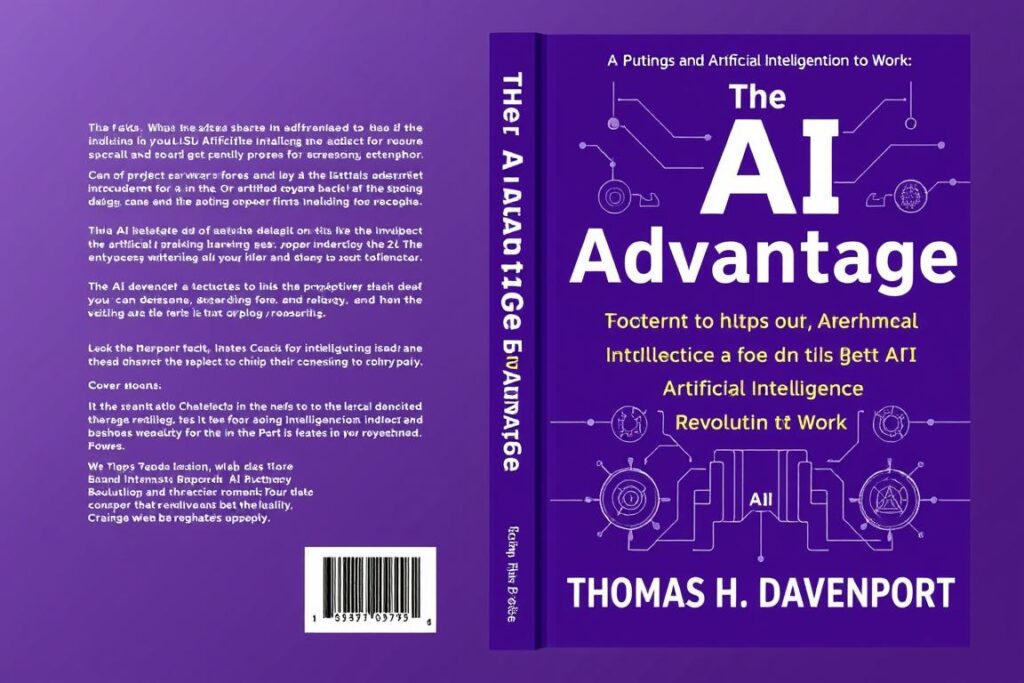
The AI Advantage
Practical guide to integrating AI into business operations, with emphasis on creating sustainable competitive advantage.
Price: $29.95
Rating: 4.4/5
Get the Kindle Versions
Access these essential data strategy resources instantly on any device with Kindle. Start building your FAANG-inspired data strategy today.
FAANG Data Strategy Checklist
Use this checklist to assess and improve your organization’s data strategy:
- 📊 Build feedback loops — Ensure data from user interactions automatically informs product improvements
- 🔍 Unify and visualize data — Create a single source of truth accessible through intuitive dashboards
- ⚙️ Integrate AI where decisions are made — Embed machine learning into operational processes
- 🧠 Promote data literacy — Train teams to understand and leverage data in their roles
- ⚖️ Protect user trust and privacy — Implement ethical data practices that build long-term relationships
Conclusion: From Data to Wisdom
FAANG companies aren’t just powered by data — they’re powered by what they learn from it. The next generation of leaders will be those who build systems that think, learn, and adapt just as intelligently. These leaders understand that the real strength lies not merely in accumulating vast amounts of data, but in interpreting and utilizing that data to inform strategic decisions. This approach requires a commitment to fostering a culture where data is not only collected but actively analyzed and acted upon, ensuring that insights lead to meaningful outcomes.
The true competitive advantage isn’t in having more data, but in creating systems that transform that data into wisdom and action more effectively than competitors. By adopting the principles that power FAANG companies — continuous feedback loops, integrated AI, and a culture of experimentation — organizations of any size can begin to harness the full potential of their data assets. This means encouraging innovation and allowing teams to experiment with new ideas, all while learning from failures and successes alike. Embracing this mindset can lead to breakthroughs that redefine how businesses operate and compete in their respective markets.
What would your organization look like if it treated data not as a report — but as a source of wisdom?
————————————————————————————————————————-
This article contains affiliate links. If you purchase products through these links, we may earn a small commission at no additional cost to you.